How to measure energy efficiency in sustainable architecture?

Home

>

Blog

>

How to measure energy efficiency in sustainable architecture?

In the quest to create a more sustainable built environment, ecological architecture And the energy efficiency play a fundamental role. In this article, we will explore in detail how energy efficiency is measured in green buildings and how this measure contributes to sustainable certification. In addition, we will analyze what an ecological building is and what ecological architecture seeks. We will also address the importance of energy efficiency in the construction sector and what it means to obtain an energy efficiency certificate. Keep reading to find out more about this exciting topic!

What is a green building?

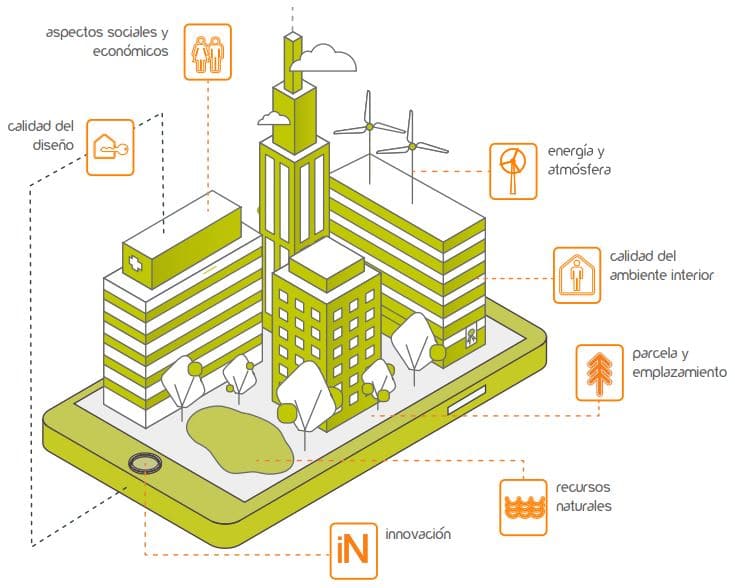
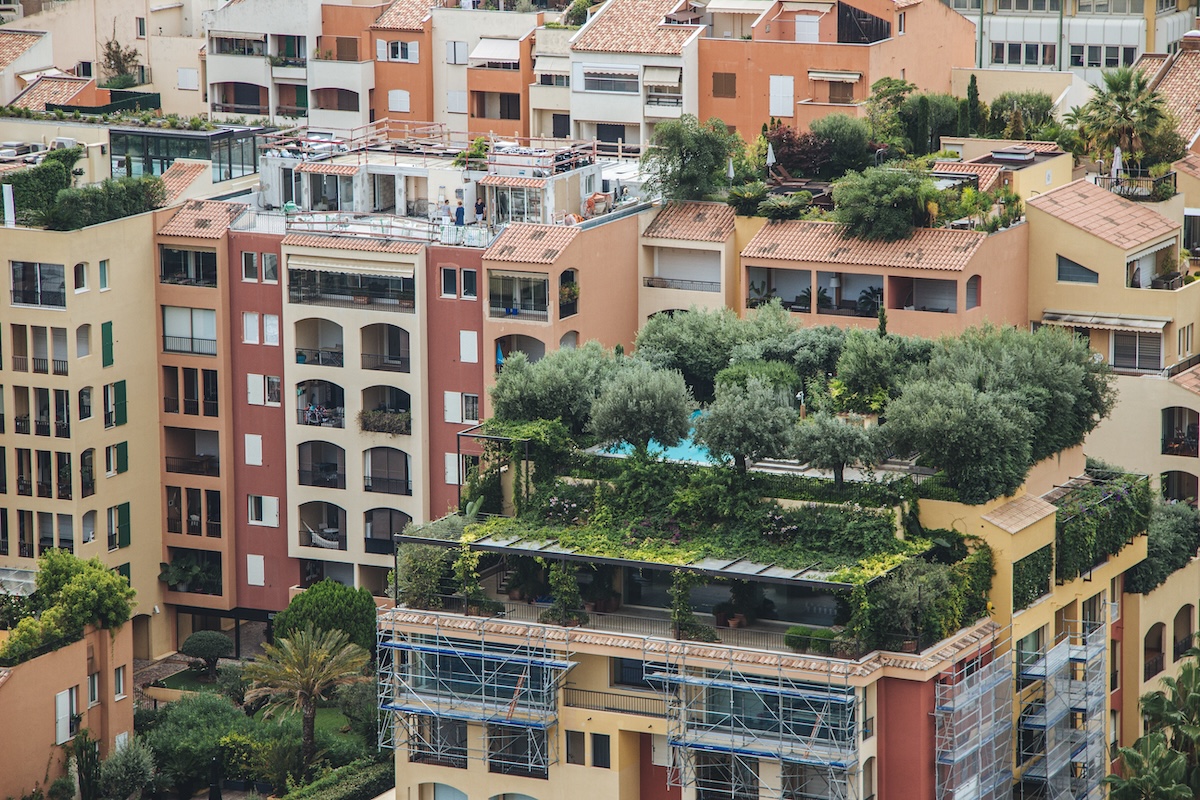
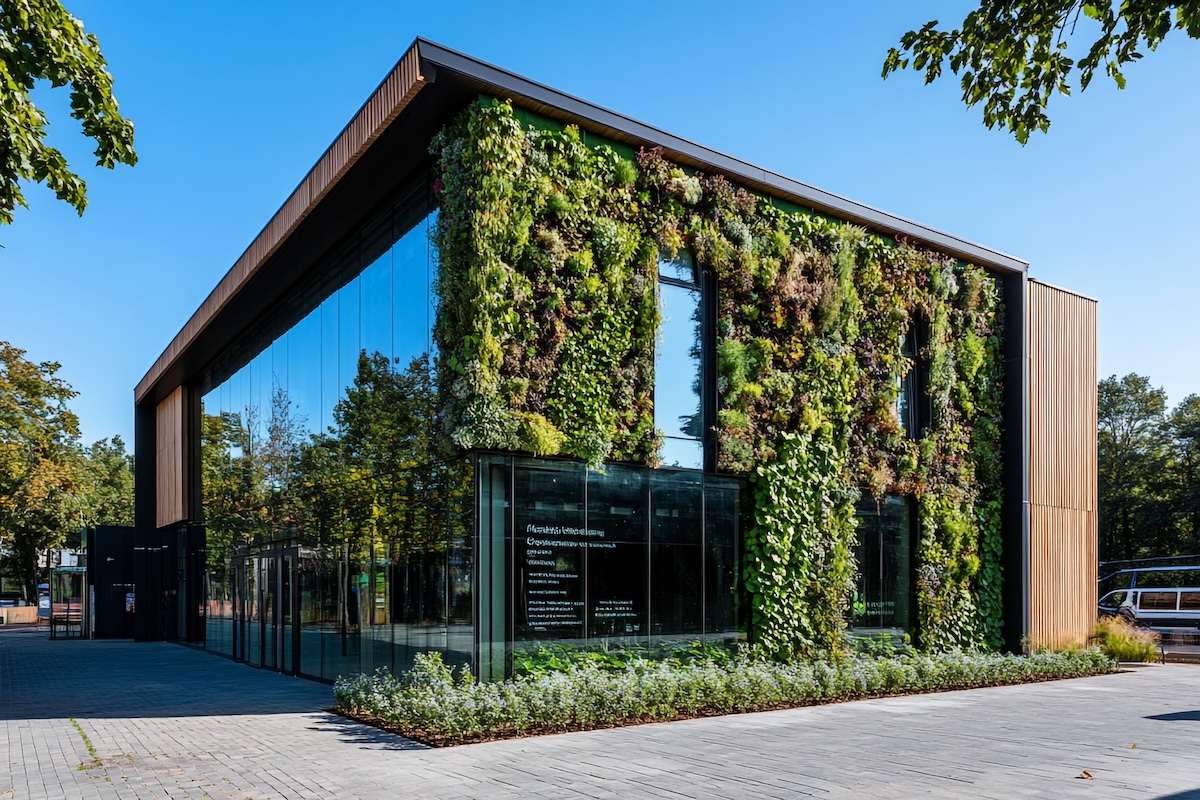
Green buildings adopt holistic approaches in their design and construction, considering aspects such as location, solar orientation, the use of efficient lighting systems, waste management, the use of energy efficient technologies and indoor air quality. Not only do these buildings reduce environmental impacts, but they also offer health and wellness benefits of the occupants.

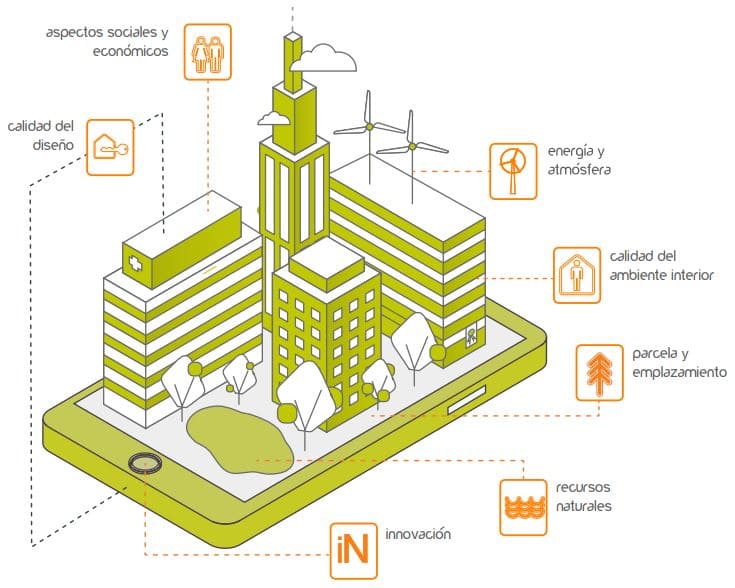
Advantages and benefits of green buildings

Source: Ovacen

What is ecological architecture looking for?

Objectives and approaches to sustainable architecture

Ecological architecture seeks to design and build buildings that are environmentally responsible and sustainable in the long term. Its main objectives include:
  • Minimize energy consumption: Ecological architecture seeks to reduce the energy demand of buildings through strategies such as passive design, the incorporation of thermal insulation, the implementation of efficient air conditioning systems and the use of renewable energy.
  • Optimize water use: It focuses on reducing drinking water consumption through efficient technologies, rainwater collection and reuse, sustainable landscape design, and proper wastewater management.
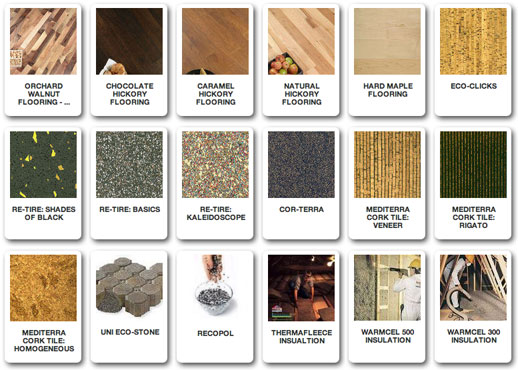
  • Use of sustainable materials: Priority is given to the selection of construction materials with low environmental impact, such as those with recycled content, of renewable origin and locally produced. The durability and recyclability of the materials used are also considered.
  • Improving the quality of the indoor environment: It seeks to create healthy and comfortable interior spaces, with good natural lighting, adequate air quality and controlled temperature and humidity. The use of toxic products is avoided and the well-being of the occupants is promoted.

Sustainable materials in ecological architecture

Source: Building Materials

What is the energy efficiency certificate?

The energy efficiency certificate is an official document that evaluates and qualifies the energy efficiency level of a building or house. Its main purpose is to inform landlords, tenants and buyers about the building's energy consumption and associated CO₂ emissions, providing a classification.

The energy efficiency certificate offers several advantages and added value, including:

  • Transparent Information: It provides clear and objective information on the energy consumption of the property, which allows us to compare and make more informed decisions when buying, renting or promoting a property.
  • Economic savings: By identifying areas for improvement in terms of energy efficiency, the certificate can help homeowners implement measures that reduce energy consumption and, therefore, lower operating costs.
  • Market value: A building with a favorable energy rating can increase its value in the real estate market, since it represents a long-term investment with lower operating costs.
  • Environmental Commitment: By promoting more energy efficient buildings, it contributes to the reduction of greenhouse gas emissions and promotes environmental sustainability.
  • Regulatory Compliance: In many countries, the energy efficiency certificate is mandatory when selling, renting or building a property. Compliance with these regulations is essential to avoid legal sanctions and ensure compliance with sustainable construction standards.

How to measure energy efficiency?

READ: It is one of the most recognized certification systems globally. LEED evaluates sustainability and energy efficiency in different categories, such as location and transportation, water, energy and atmosphere efficiency, materials and resources, interior environmental quality and design innovation. Buildings can obtain different levels of certification: Certified, Silver, Gold or Platinum.

EDGE: It is a certification system created by the World Bank. EDGE evaluates energy efficiency in the construction of homes, office buildings and hotels, taking into account three key aspects: energy, water and materials. The objective is to promote the construction of more sustainable and affordable buildings.

WELL Building Standard: It focuses on the health and well-being of building occupants. It evaluates aspects such as air quality, water, lighting, acoustics, nutrition and thermal comfort. WELL-certified buildings promote healthier and more productive environments.

Energy efficiency is a key factor in sustainable architecture and in the construction of green buildings. Measuring and evaluating energy efficiency is essential to ensure a more sustainable construction and to obtain recognized certifications. In this article, we have explored what an ecological building is, the objectives of sustainable architecture, the importance of energy efficiency in the construction sector and what it means to obtain an energy efficiency certificate. We hope that this guide has provided you with valuable information and helped you to better understand this topic that is so relevant today.

If you want to certify your next real estate development, contact us here.

Si quieres recibir este ebook,
¡suscríbete!

Portada de ebook azul con texto sobre oportunidades de financiamiento para construcción sostenible en América Latina y logo de Leaf.

Para Leaf, tu privacidad es fundamental. Por eso, utilizamos los datos que nos proporcionas para acercarte novedades e información relevante. Al descargar, muestras tu conformidad con ello. Puedes cancelar tu suscripción en cualquier momento.

Thank you! Your submission has been received!
Oops! Something went wrong while submitting the form.
EDGE Certification: The Fastest Way to Build an Efficient Building

EDGE certification is one of the fastest and most effective ways to create efficient buildings, reduce energy, water, and material consumption, and increase property resale value. Developed by the International Finance Corporation (IFC), part of the World Bank Group, EDGE helps real estate projects lower their environmental impact, reduce operating costs, and support decarbonization efforts. With a streamlined and measurable process, EDGE has become a strategic certification for developers and investors seeking sustainability, profitability, and market differentiation.

Sustainable certifications in Mexico: current overview and trends

Sustainable certifications in Mexico are gaining prominence as a key tool for companies and projects that seek to demonstrate their environmental, social and governance commitment. They are no longer limited to construction alone, but encompass complete processes, operations, products and business models.

Why environmental certifications increase the resale value of a property | Leaf

Discover how environmental certifications, energy efficiency and sustainable buildings increase the resale value of a property and reduce its environmental impact.

Logo with the word 'leaf' in white and text 'Sostenibilidad para todos' in blue next to two green leaves.

PERÚ

PANAMÁ

COLOMBIA

CHILE

CHINA

MÉXICO

CDMX

Monterey

SÍGUENOS EN

Instagram logo
Logo facebookLogotipo de LinkedIn en blanco sobre fondo azul.