Our expert in LEED certification in Latin America and CEO of LEAF LATAM, Ana Lucía Granda, gave a live webinar on LinkedIn this Thursday, March 16. In this article, you'll find the most important details discussed.
The triple baseline concept incorporates a long-term vision for evaluating potential effects and best practices for three types of resources:
The Triple Baseline is also known as the 3 Ps: “People, Planet and Silver”. The three pillars of sustainability are important.
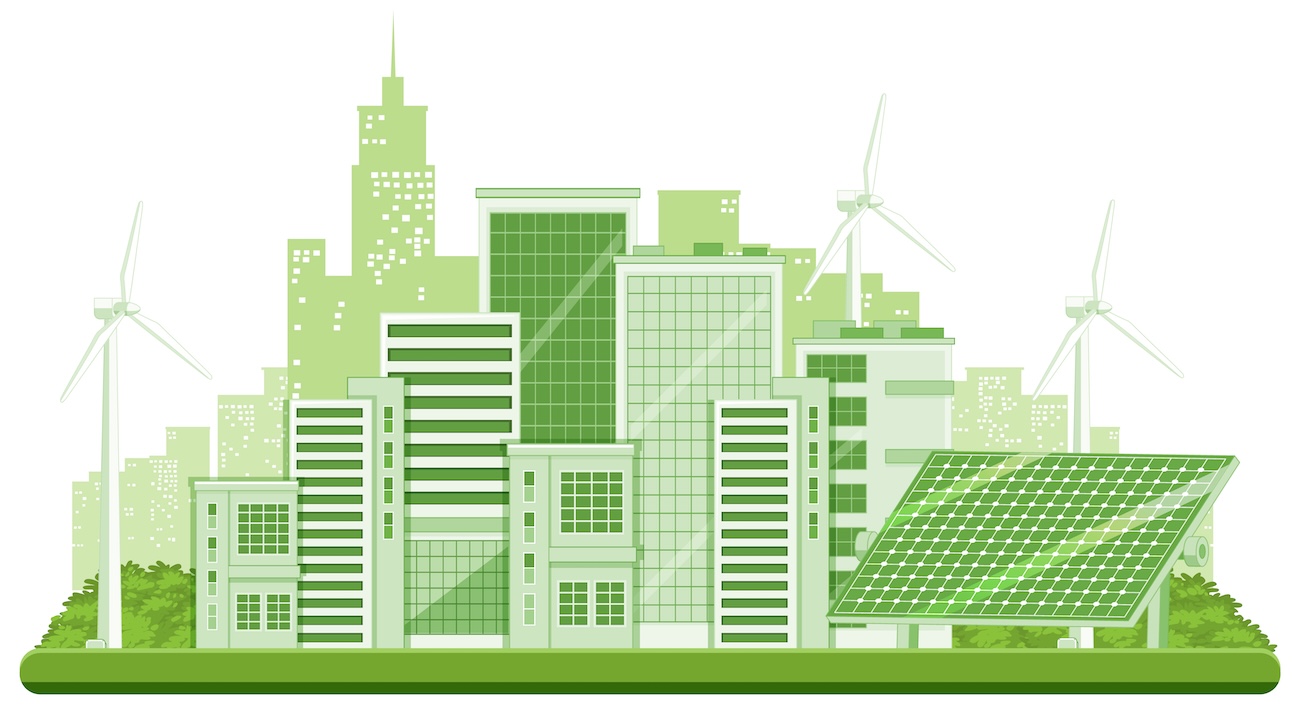
The objective of the triple baseline, in terms of the construction industry, is ensure that buildings and communities generate value for all stakeholders, not just a few. For example, an energy-efficient building that saves landlords money but makes occupants sick is not sustainable. Nor is a material that has a small carbon footprint sustainable, but that was made in a factory where its workers are being exploited. Nor is an eco-resort that, when built, displaced threatened species or local people sustainable.
Initially, green buildings were intended to reduce the damage to the environment and human health caused by the creation and maintenance of buildings and cities. As the concept of sustainability has been applied to the construction industry, it has become clear that doing less damage is not enough.
Leaders in this field are now talking about buildings and communities that are regenerative, meaning that the sustainable construction industry must evolve with living systems and contribute to the long-term renewal of resources and life.
Green buildings consume less energy. Compared to average commercial buildings, LEED Gold buildings in the General Services Administration portfolio generally:
U.S. Department of Energy UU. (2011). Reevaluation of green building performance: a postal occupancy assessment of 22 buildings.
LEED is in a cycle of continuous improvement that keeps us moving not only towards “the least evil” or “the least bad”, but also to generate “the greatest good” in terms of the environmental and health impact of our buildings. The evolution of LEED balances market capabilities with the urgency of environmental solutions.
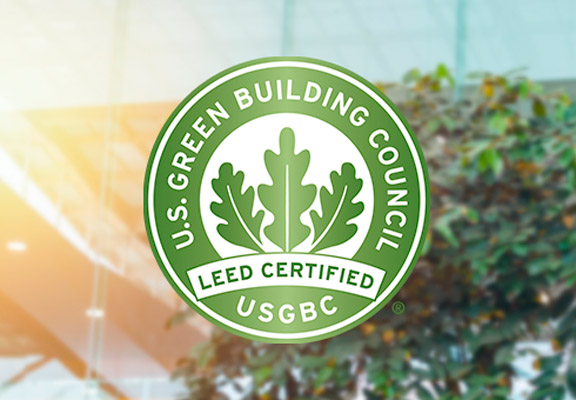
LEED rating systems consist of prerequisites and credits. Prerequisites are mandatory sustainable construction strategies that must be included in all projects seeking LEED certification. Credits are optional elements, strategies that projects can choose to follow to earn points.
To achieve LEED certification, it is necessary to meet all the prerequisites and obtain a minimum score of 40. Each LEED classification system has an LEED Reference Guide that explains the criteria for obtaining each credit, describes the benefits of complying with it, and suggests strategies for achieving compliance. In addition, in all categories, all the prerequisites must be met; credits are optional, but they give you a score. Some credits have more than one way to do this.
We recommend using the LEED Checklist, a list of all possible credits in that LEED rating system. It is organized by categories, prerequisites, credits and possible score. (Also called Scorecard)
Using the LEED Checklist is a good shape that the project team begins to evaluate what level to reach with the certification. Many project teams use it as a list of responsibilities or pending throughout the certification process.
Source: USGBC - Download here
If you want advice to LEED certify your next construction, contact us here
Leaf Global. Copyright © 2026. All rights reserved.