He leads projects and consulting services under LEED, EDGE, and FITWEL standards, integrating facade optimization strategies, life cycle assessments, and energy modeling to develop high-performance buildings.
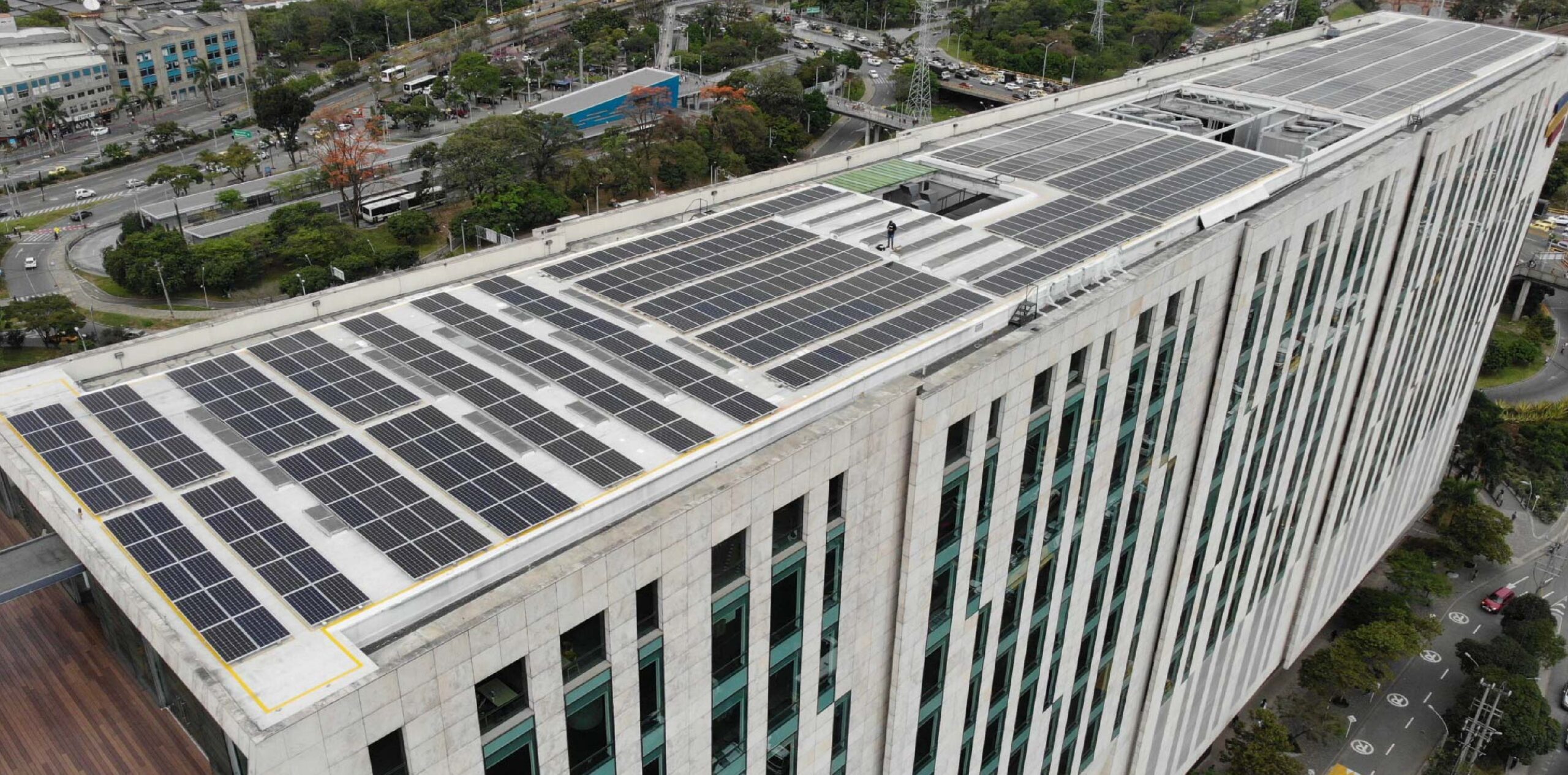
LEED v5 is now available and represents a profound evolution of the most recognized certification system in the world. This version was developed with the collaboration of thousands of professionals in the sustainable construction, with the objective of responding to the most urgent climate challenges and incorporating climate action as a central axis to face the environmental crisis and focusing on people's health to promote sustainability.
Developed by the U.S. Green Building Council (USGBC), LEED v5 responds directly to the global climate emergency and the challenge of climate change, supporting the resilience of projects in the face of this phenomenon. In addition, it is based on the most recent scientific evidence and addresses the gaps identified in previous versions.
In addition, new requirements have been incorporated to achieve Platinum certification (the highest level of LEED), focused on energy efficiency, carbon emissions and the use of renewable energy.
LEED v5 maintains the traditional credit categories and minimum requirements, but reorganizes and reinforces its structure around three global objectives:
These objectives are articulated through five key principles: decarbonization, ecosystems, fairness, health and resiliency.

LEED v5 objectives and principles
Access the reference guides for BD+C, ID+C and O+M.
It is recommended to start now the evaluation and planning to migrate to LEED v5, especially if your project is a new construction, a major renovation or an existing building in the design stage. This will allow your project to adapt to the new requirements and take advantage of the opportunities offered by this new version.
With LEED v5, the U.S. Green Building Council has established a new five-year development cycle, providing greater predictability and stability to the market. Starting in 2025, future versions of LEED will follow this regular schedule, allowing professionals to plan ahead and align their projects with upcoming system updates.
In addition, the LEED program is being updated to offer more flexibility to projects, with new opportunities to adapt and develop their certification requirements. This allows the system to respond more quickly to rapidly evolving technological advances, market needs and environmental challenges.
Aligned with the Paris Agreement, green taxonomy and corporate ESG frameworks, LEED v5 sets a new standard for sustainability in the built environment, integrating ecosystem protection and biodiversity conservation into projects.
In addition, it promotes the improvement of space for end users, optimizing both the well-being and functionality of homes and offices.

LEED v5 Scorecard: O+M
In LEED v5, the approach doesn't end with the construction or design of the building; sustainability must be maintained throughout its life cycle. For this reason, the Operations and Maintenance (O+M) category plays a fundamental role.
This stage is key to ensuring that standards of quality, energy efficiency, reduced resource consumption and occupant well-being are maintained over time. LEED v5 places special emphasis on continuous performance verification, resilience to climate risks and responsible management of the building in use.
Owners and managers must implement sustainable practices such as reducing water and energy consumption, adequate waste management and promoting healthy environments for people. In addition, periodic audits and evaluations are promoted to identify opportunities for continuous improvement.
In this way, LEED v5 consolidates its system as a dynamic process that accompanies buildings throughout their life cycle, ensuring that sustainability is not just an initial objective, but a constant reality that drives innovation, equity and quality in the built environment.
In addition to its environmental and social benefits, certifying a project with LEED represents a smart financial decision. LEED certified buildings:
In addition, these spaces promote greater well-being, health and productivity among their occupants, which translates into better results for employers, landlords and investors.
Source: U.S. Green Building Council (USGBC)
LEED v5 represents a significant change from previous versions. It is no longer just a matter of reducing environmental impact, but of integrating more deeply aspects such as social equity, resilience to climate change and people's well-being.
This new version promotes a more comprehensive vision of sustainability, encouraging innovation and collaboration from the early stages of the project. Adopting LEED v5 ensures compliance with the most demanding standards and positions certified buildings as leaders in a necessary transformation towards a fairer, more efficient and future-ready built environment.
Are you considering certifying your project with LEED? Contact us here
Leaf Global. Copyright © 2026. All rights reserved.