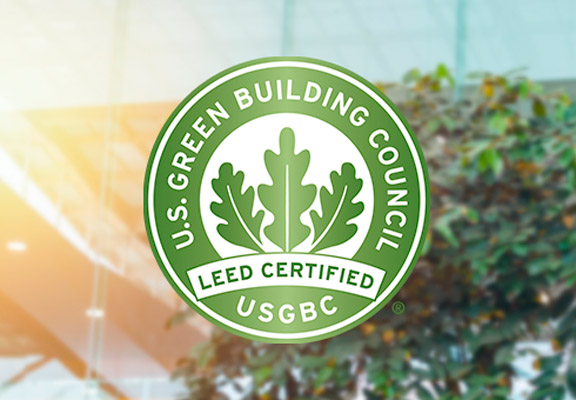
LEED certification, for its acronym in English (Leadership in Energy and Environmental Design), is a system for evaluating and certifying sustainable and environmentally friendly buildings. Como sustainability consultant specialized in LEED systems, I can assure you that this tool is essential to promote sustainable construction around the world. In this article, we will focus on the situation of LEED certification in Peru, a country that has experienced a growing interest in sustainable construction in recent years.
In Peru, LEED certification has been applied to several construction projects in recent years.
It is one of the most notable buildings and the only place in Peru to obtain LEED Silver certification.

It is an office building that obtained LEED Gold certification.

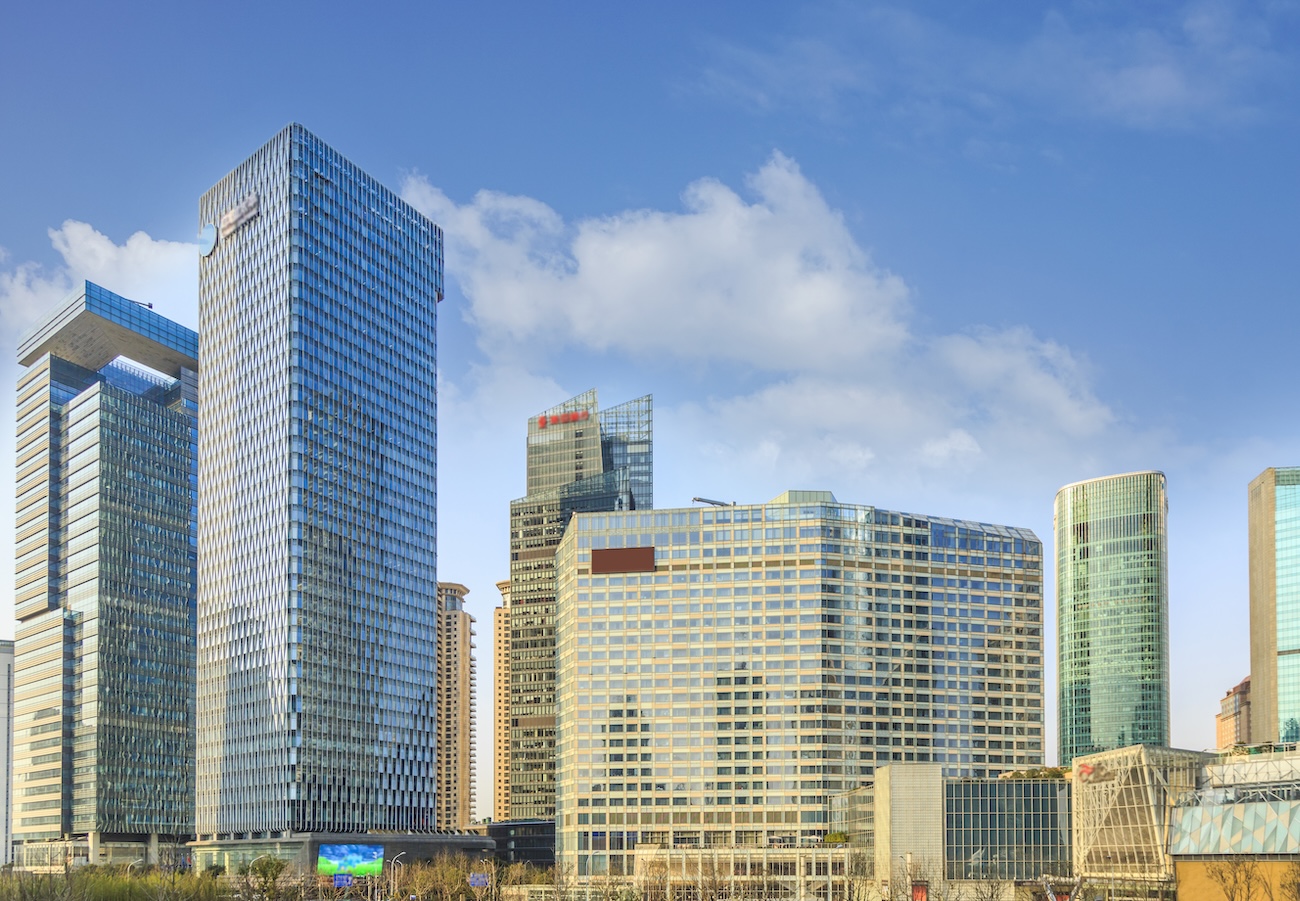
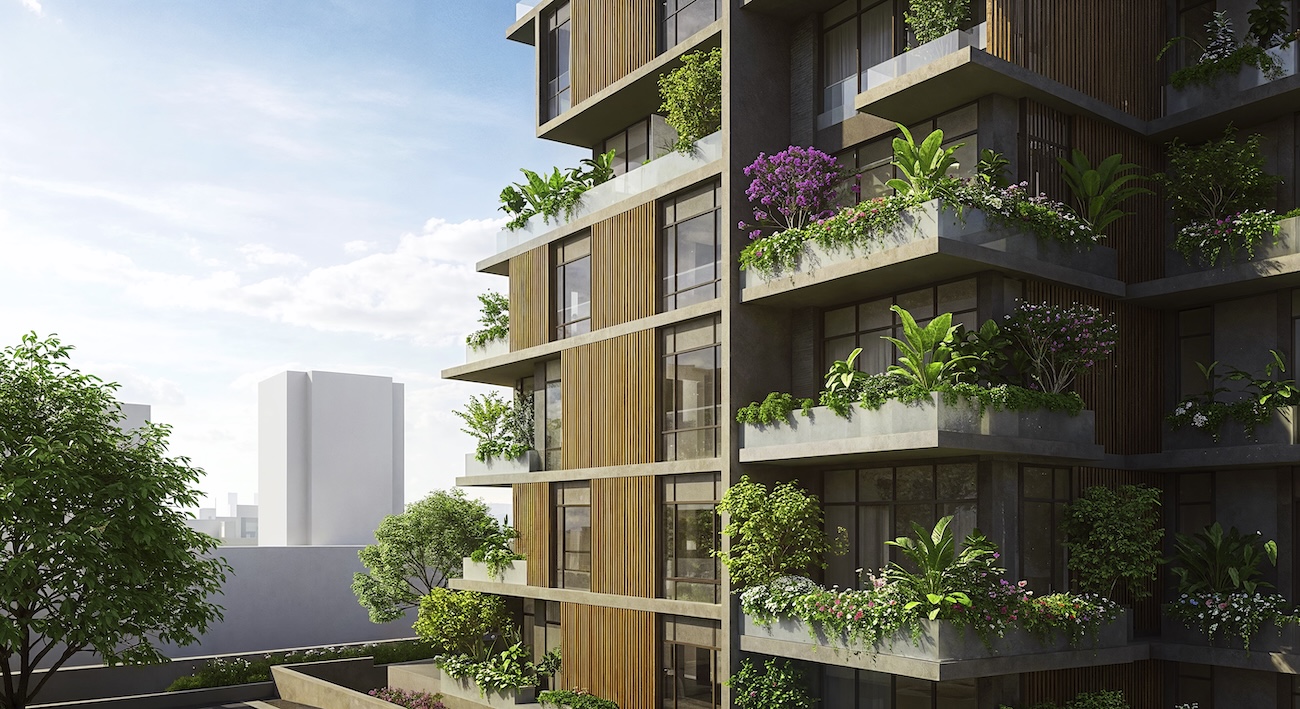
This office building has obtained the LEED Silver certification, which highlights the Low-E glass used in all its facades, the use of bamboo and regional materials, a saving of 10% in energy and more than 45% in water savings. In addition, it is worth highlighting the Larco mixed building, an avant-garde project. It has 3 different uses: housing, commerce and offices, which in turn is eco-friendly.

In short, LEED certification has gained ground in Peru in recent years, and has been applied to several construction projects across the country. Our sustainability consultant, specialized in sustainable certification systems, testifies that Peru is shaping the path to sustainable construction, and that LEED certification will continue to be a key tool to achieve that objective.
You may also be interested in:
Leaf Global. Copyright © 2026. All rights reserved.