He leads projects and consulting services under LEED, EDGE, and FITWEL standards, integrating facade optimization strategies, life cycle assessments, and energy modeling to develop high-performance buildings.
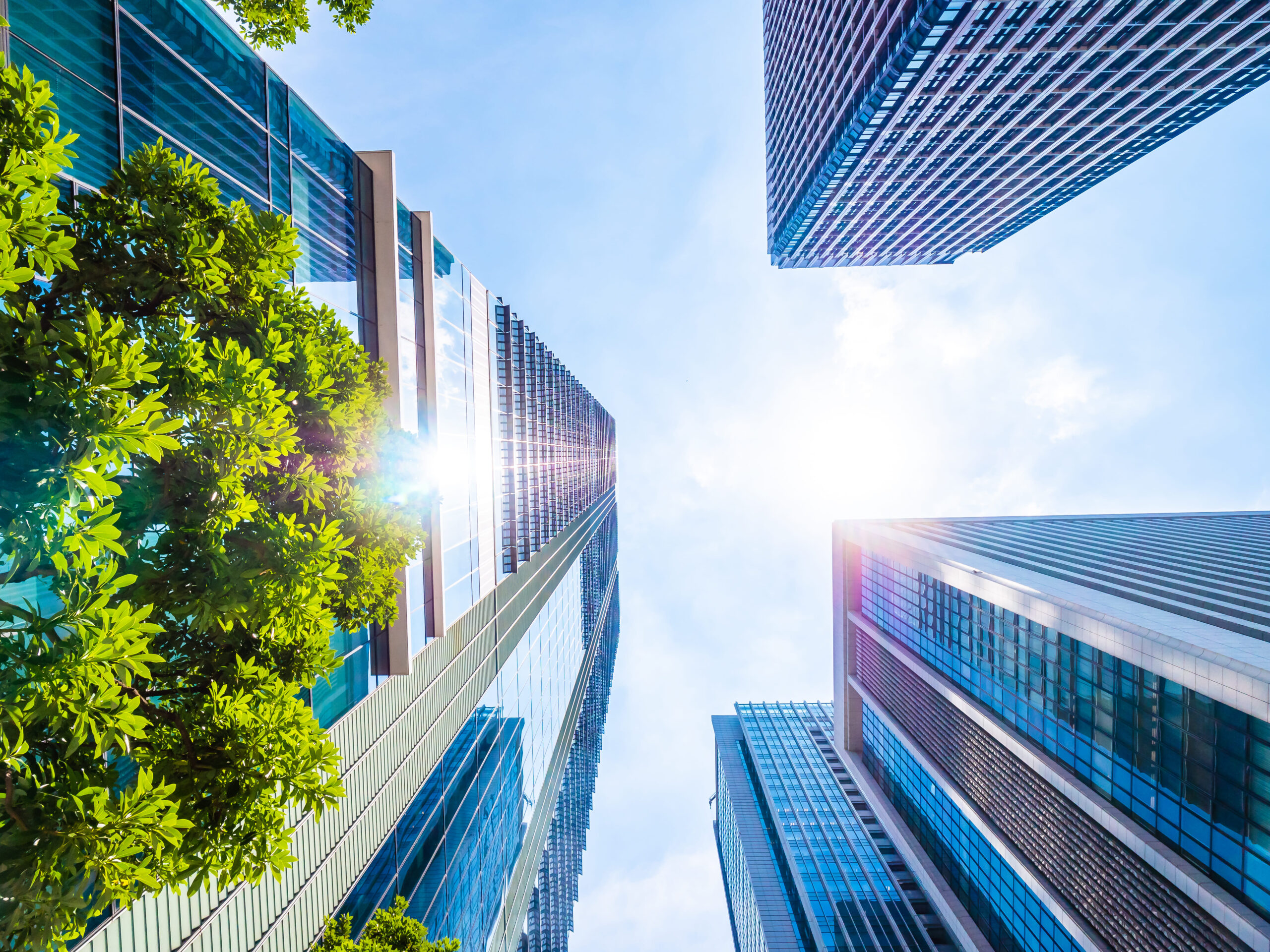

In recent years, the green buildings and profitability have become inseparable concepts within the sustainable construction. More and more companies and investors recognize that the sustainability Not only does it benefit the environment, but also generates long-term economic value.
A green building is one designed and built according to criteria of energy efficiency, reduction of emissions and optimization of resources. However, It's not just an environmental trend, but a intelligent business strategy which boosts trust, improves reputation and attracts capital to sustainable projects.
Sustainability in construction is no longer perceived as an additional expense, but as a profitable investment. Projects with sustainability certificates (such as LEED, WELL, EDGE, Fitwel or BMS) demonstrate a measurable commitment to the planet and to people's well-being.
In other words, sustainability in real estate development is a way to ensure a more efficient operation, reduce risks and access new markets who value environmental responsibility.
Therefore, a sustainability certificate is a key tool for increasing the value of a property and its attractiveness to investors, users and governments.
The impact of climate change and the scarcity of resources has transformed the way in which firms they make decisions. In this context, sustainability in construction has become an essential pillar for innovation, competitiveness and profitability.
In Spain, Latin America and other regions, there is a transition to circular economy models that promote the responsible use of materials, recycling and energy efficiency.
Not only does this reduce operating costs, but it also generates economic stability and a consistent return on investment.
Sustainable buildings offer a series of advantages that demonstrate that respect for the environment can go hand in hand with financial growth. Some of the most notable benefits include:
Therefore, the sustainability it's not just an environmental commitment, but also a competitive advantage.
Sustainability certificates are the most used tool to ensure that a building meets high environmental, social and governance standards (ESG).
Through them, companies can measure and communicate their positive impact.
Among the most recognized are:
In short, these certificates represent a guarantee of sustainability and trust, for both owners and investors.
The sustainable buildings they manage to balance three key dimensions: environment, society and economy.
El sustainable development seeks precisely that harmony: to meet current needs without compromising those of future generations.
Through strategies such as reduction of the carbon footprint, the use of renewable energy And the implementation of intelligent technologies, buildings may decrease their environmental impact and, at the same time, increase your profitability.
For example, a building with energy efficiency can reduce your heating, cooling and air conditioning costs by up to 40%, while improving air quality and occupant comfort.
The sustainability in construction is an investment in the future.
Sustainable projects not only respond to the needs of the present, but they also prepare cities and companies for the challenges of tomorrow.
La sustainable profitability translates into lower financial risk, greater stability and a better reputation in the market.
For this reason, The green buildings They represent a safe bet for long-term development, both economic, social and environmental.
The growth of the construction sector must be based on the conservation of natural resources And the technological innovation.
Through the implementation of sustainable policies, The circular economy and certification systems, organizations are demonstrating that financial success can coexist with environmental protection.
In this regard, sustainability in construction it's more than a trend:
is the new standard of global economic development.
In short, investing in sustainable buildings not only does it mean taking care of the planet, but also create lasting value.
Sustainability generates trust, drives innovation and opens the way to more resilient and profitable cities.
The future of investment is in Green construction: where each building is not only built with materials, but also with a vision — one that balances profitability, sustainability and social welfare.
Leaf Global. Copyright © 2026. All rights reserved.