He leads projects and consulting services under LEED, EDGE, and FITWEL standards, integrating facade optimization strategies, life cycle assessments, and energy modeling to develop high-performance buildings.
Sustainability has become a key competitive advantage in real estate developments, helping reduce operating costs, increase resale value, and meet the evolving expectations of buyers and investors. Projects that integrate energy efficiency, carbon reduction, well-being, and environmental certifications stand out in competitive markets and protect long-term asset value.

Sustainability as a competitive advantage has moved beyond trend status and has become a decisive factor in the success of modern real estate developments. Today, investors, developers, and buyers understand that building in harmony with the environment not only reduces environmental impact, but also increases property resale value, improves long-term performance, and strengthens market positioning.
As awareness of climate change, resource efficiency, and quality of life continues to grow, sustainability is no longer optional—it is a business strategy.
Sustainability is not just about meeting environmental regulations. It is about designing and constructing buildings that optimize energy consumption, material use, waste management, and water consumption, while also promoting occupant health and well-being.
For this reason, projects that incorporate sustainable construction principles are better positioned to stand out in a competitive market and attract buyers who value efficiency, savings, and environmental responsibility.
Market expectations have evolved. Today, buyers are looking for more than location and aesthetics—they expect efficiency, comfort, and environmental commitment. Factors such as indoor air quality, natural lighting, accessibility, and proximity to transportation are increasingly important.
This shift explains why sustainable buildings experience higher demand and stronger performance in both leasing and resale markets.
Unlike conventional buildings, sustainable developments are designed to reduce the negative effects of construction on the surrounding environment. These strategies include:
At the same time, these buildings offer healthier, more efficient, and more resilient spaces—qualities that increase their overall market value.
Sustainable construction represents an evolution in how real estate projects are developed. Through strategies such as energy efficiency, efficient lighting systems, increased natural lighting, and effective water management, environmental impact is reduced from the design stage onward.
These measures also lower operating costs, which therefore leads to higher profitability and improved resale value.
Efficiency in energy use is one of the most important drivers of competitiveness in real estate developments. Measures that reduce energy consumption, such as high-efficiency lighting systems, thermal envelopes, and passive design strategies, generate long-term savings.
These savings are clearly perceived by buyers and users, making efficient buildings more attractive than less efficient alternatives.
Sustainable development seeks to balance economic performance, environmental responsibility, and social well-being. It does not mean sacrificing profitability, but rather creating projects that are more efficient, resilient, and aligned with current market expectations.
In this context, sustainability becomes a strategic tool for protecting asset value over the long term.
Sustainable development has a direct impact on quality of life. Buildings with good ventilation, access to daylight, healthy materials, and green spaces help promote health and well-being for occupants.
This improved user experience increases perceived value and strengthens demand from both buyers and investors.
Reducing carbon emissions is a key objective of sustainable real estate projects. By lowering emissions associated with both construction and building operation, developments align with global decarbonization goals.
Increasingly, investors prioritize assets with lower carbon footprints, turning emissions reduction into a clear competitive advantage.
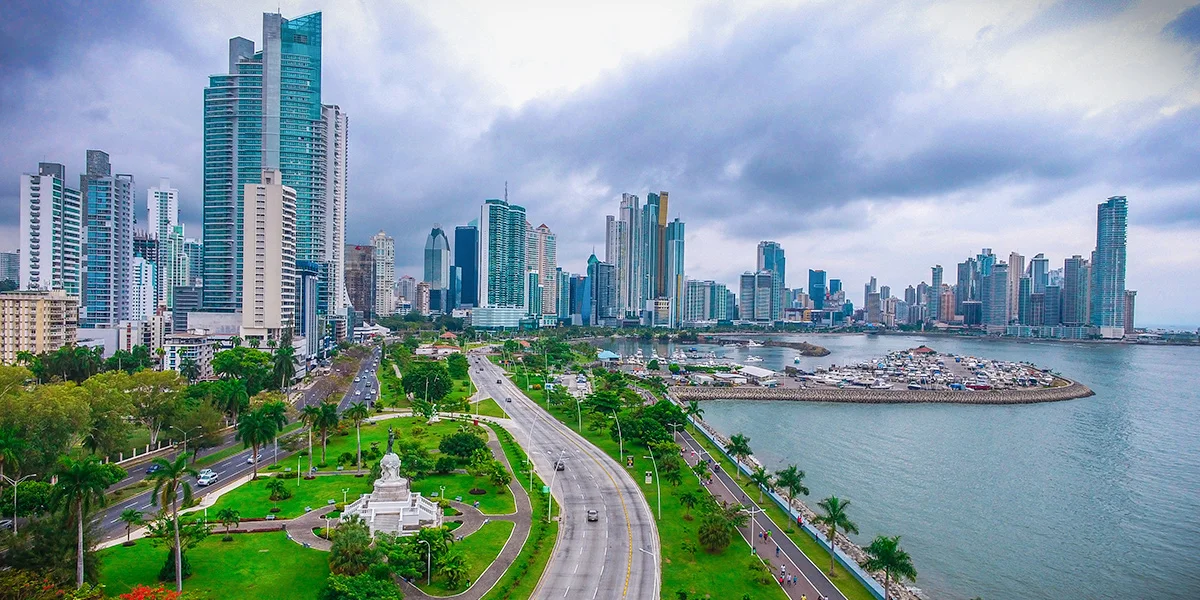
In highly competitive markets such as Mexico City, sustainability has become a powerful differentiator. Projects that integrate environmental criteria, accessibility, mobility, and efficient resource use stand out from traditional developments.
In dense urban environments, sustainability enhances both environmental performance and commercial positioning.
Cost savings are one of the most tangible benefits of sustainable developments. Lower energy and water consumption, combined with efficient waste management, result in reduced operating expenses throughout the building’s lifecycle.
Ultimately, these savings directly influence purchasing decisions and contribute to higher resale value.
The construction industry is one of the largest contributors to environmental degradation. Adopting responsible construction practices is therefore essential to reduce negative impacts and improve project perception.
Developments that prioritize sustainability are increasingly seen as forward-thinking, responsible, and aligned with modern market values.
Environmental certifications such as LEED, EDGE, WELL, and Fitwel objectively validate a building’s sustainable performance. These systems evaluate energy efficiency, water use, indoor air quality, and occupant health.
Certification not only demonstrates environmental commitment, but also builds market trust and increases real estate asset value.
More than ever, sustainability defines which projects sell faster, lease more easily, and retain value over time. What was once a differentiator is now a baseline expectation.
Looking ahead, developments that fail to incorporate sustainability strategies are likely to face higher risks of obsolescence and depreciation.
At Leaf, we help developers integrate sustainability as a core component of their real estate strategy. We support projects from early design through certification, optimizing resources, costs, and environmental performance.
Our approach ensures that sustainability translates into real value, stronger market differentiation, and higher return on investment.
Sustainability as a competitive advantage is no longer optional in real estate developments. It is essential for reducing environmental impact, improving quality of life, and—most importantly—increasing property resale value. In an evolving market, sustainable projects are leading the industry today and shaping its future.
Leaf Global. Copyright © 2026. All rights reserved.