He leads projects and consulting services under LEED, EDGE, and FITWEL standards, integrating facade optimization strategies, life cycle assessments, and energy modeling to develop high-performance buildings.
Sustainable construction is no longer a fleeting trend, but a necessity in a world facing increasing challenges related to climate change, the excessive consumption of resources And the carbon footprint. In this context, obtaining a sustainable certification has become a strategic step for firms and organizations who seek not only to contribute to the protection of environment, but also to generate profitability in the long term.
In this article, we explore the benefits of certification of sustainable buildings, both environmentally and economically, and how they impact the worth Of the buildings, in the attraction of consumers and in the competitiveness of markets.
A sustainable certification is an evaluation system that guarantees that a building complies with criteria Internationals of sustainability in aspects such as:
Among the most recognized certifications in the world stand out LEED (United States), BREEAM and EDGE. In Mexico and Latin America, more and more projects are betting on this type of mechanisms to ensure that your projects meet international standards.
El target of these systems it is clear: reducing environmental impact, promoting innovation in construction and ensure that the towns Move towards a prospective more resilient.
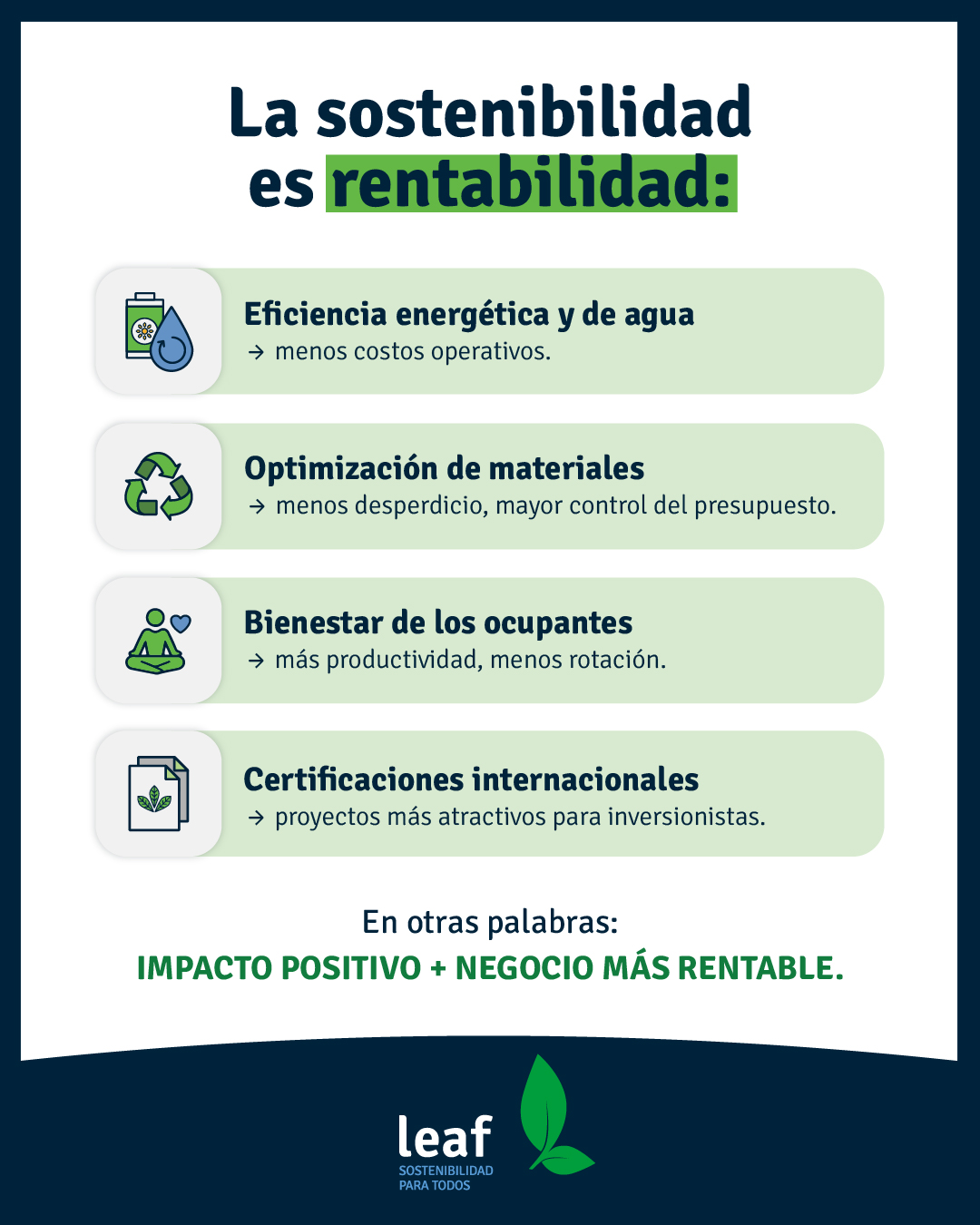
The buildings certificates not only contribute to the care of planet, but rather they represent a reversal strategic for firms and real estate developers. Some of the key economic benefits include:
In other words, a sustainable building is also a business model cost-effective.
The certificates of sustainability allow us to measure and control processes of construction and operation of buildings, generating a positive impact on the environment:
These actions are aligned with the Ten Principles of the United Nations Global Compact, which include issues such as the protection of human rights, fair work and the fight against corruption, all related to a implementation ethics of sustainability.
The certificates of sustainability vary by country, the type of building and the criteria that are evaluated. The most prominent are:
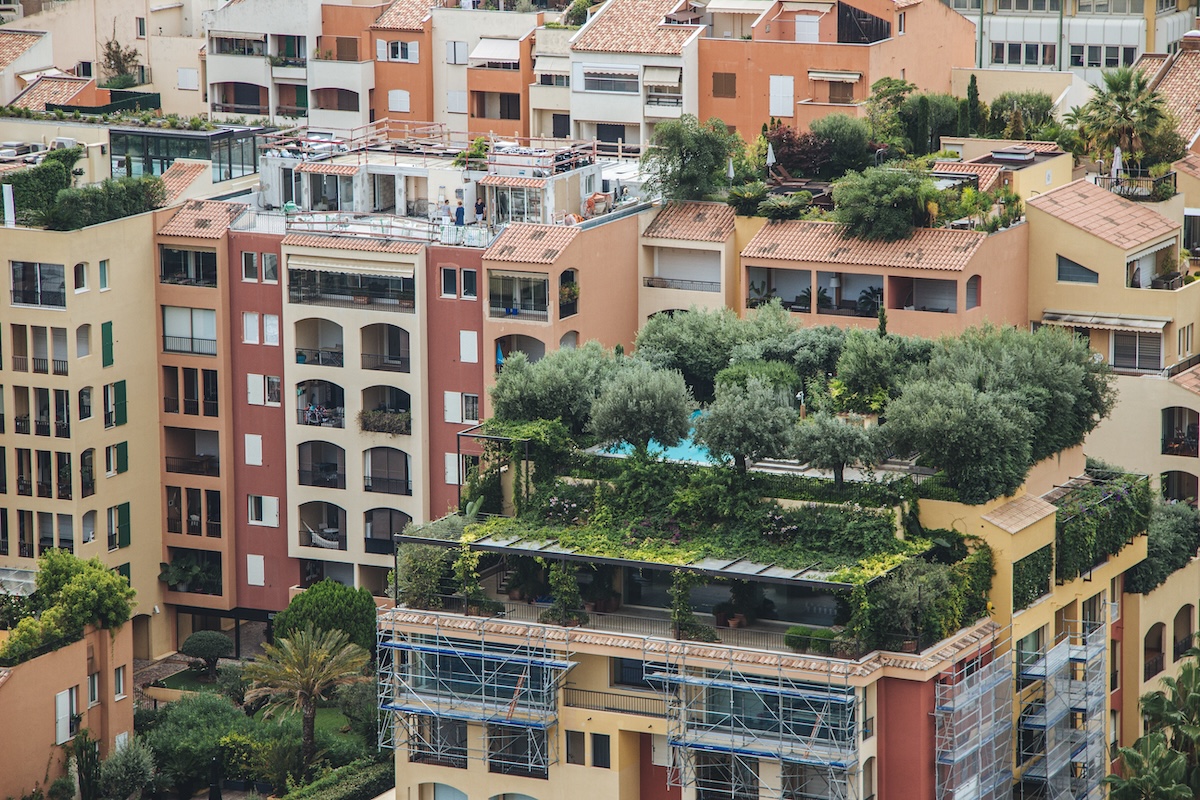
A instance Of course it is the growth of green buildings in large cities in Latin America, where firms leaders are committed to certification to strengthen their image of sustainability and attract new consumers aware.
The efficient use of resources such as energy, water and materials is not only a measure of environmental responsibility, but also a strategy of thrift and profitability.
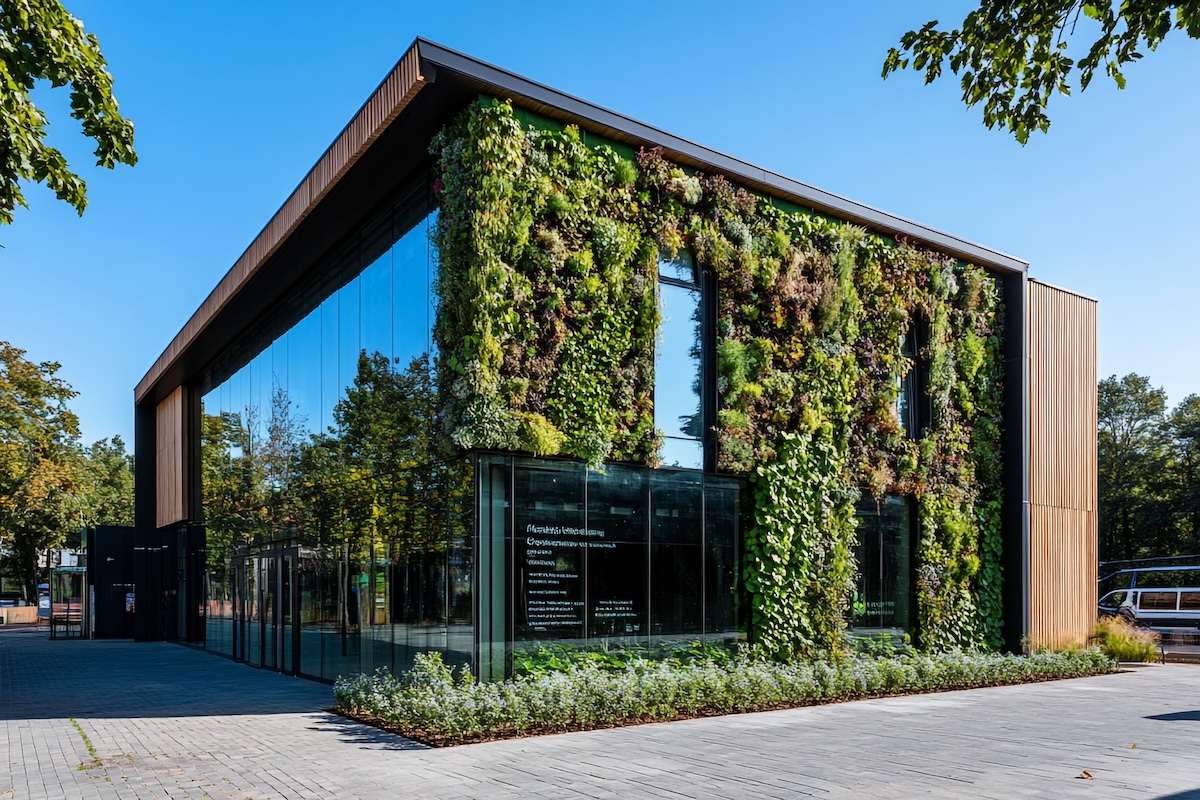
Buildings that implement systems of Renewable energy, intelligent lighting, water recycling and thermal insulation achieve:
This approach turns sustainability into a wager safe, where the environmental impact is reduced and economic benefits grow over time.
A sustainable certification of buildings is much more than an environmental requirement. It has been transformed into a business strategy which generates competitive advantages, increases the worth of buildings and responds to needs Of the consumers In a world where sustainability and profitability go hand in hand.
When obtaining certificates of sustainability, the firms not only do they contribute to the struggle Against the climate change, but they also build a path to the development responsible economic, innovation in processes of building and creating more resilient cities.
Investing in sustainability is not an expense: it is the best investment for the future for the planet, organizations and markets.
Leaf Global. Copyright © 2026. All rights reserved.