He leads projects and consulting services under LEED, EDGE, and FITWEL standards, integrating facade optimization strategies, life cycle assessments, and energy modeling to develop high-performance buildings.
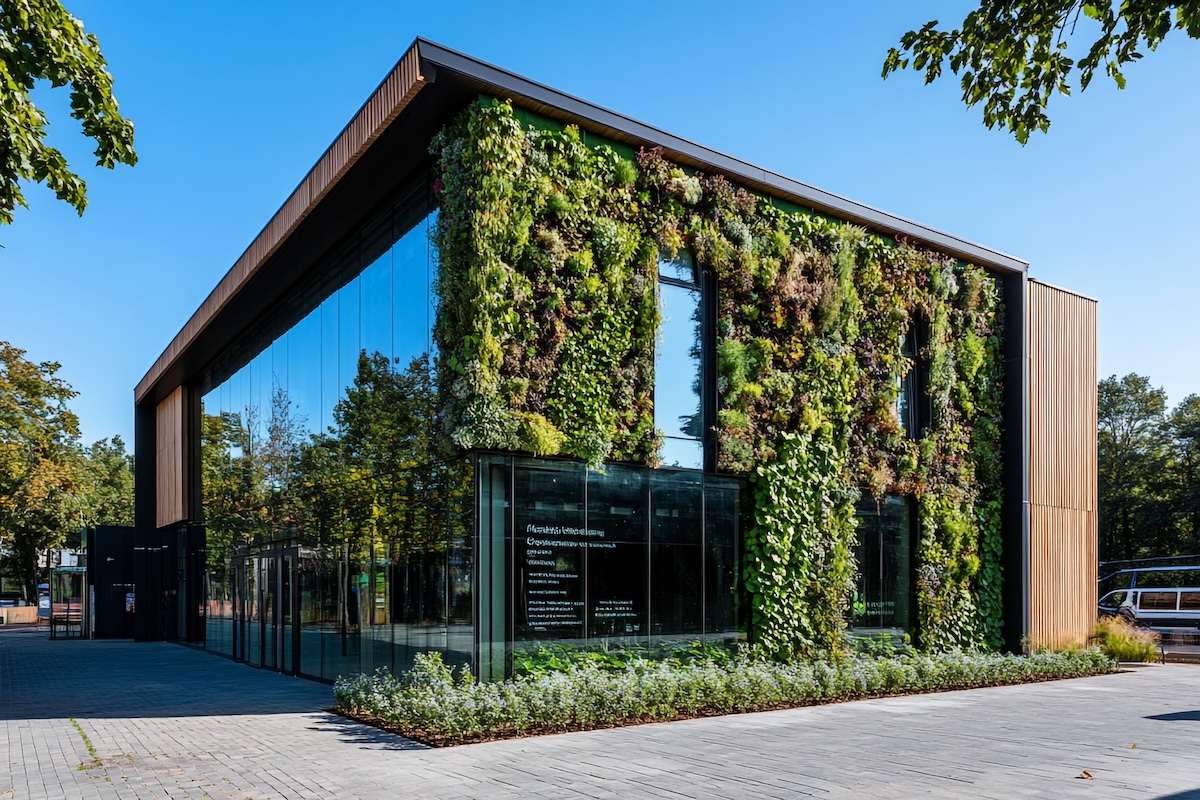
In modern construction, sustainable building materials are transforming the industry by offering solutions that reduce environmental impact and improve energy efficiency.
This blog analyzes the most used and innovative materials in 2025, including options such as certified wood, the recycled concrete and new alternatives such as Hempcrete Or the mycelium.

Recycled concrete. Image extracted from conacyt.gov.py
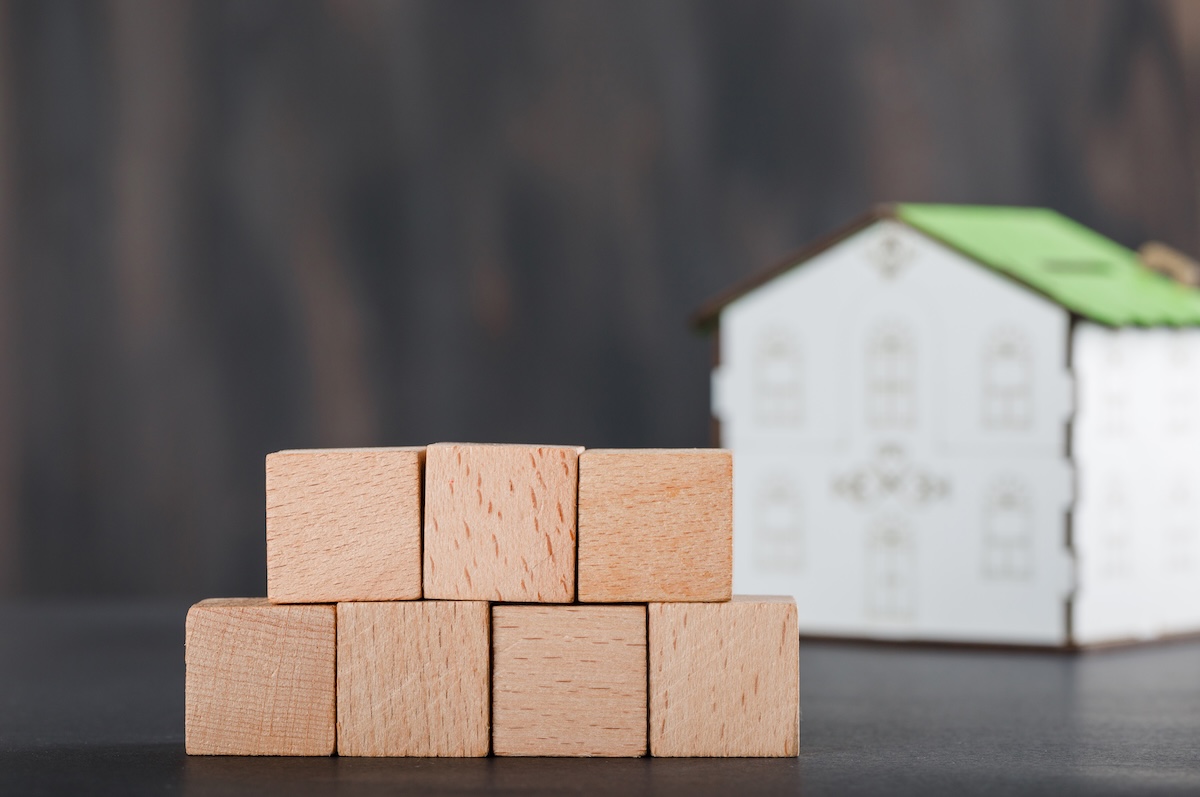
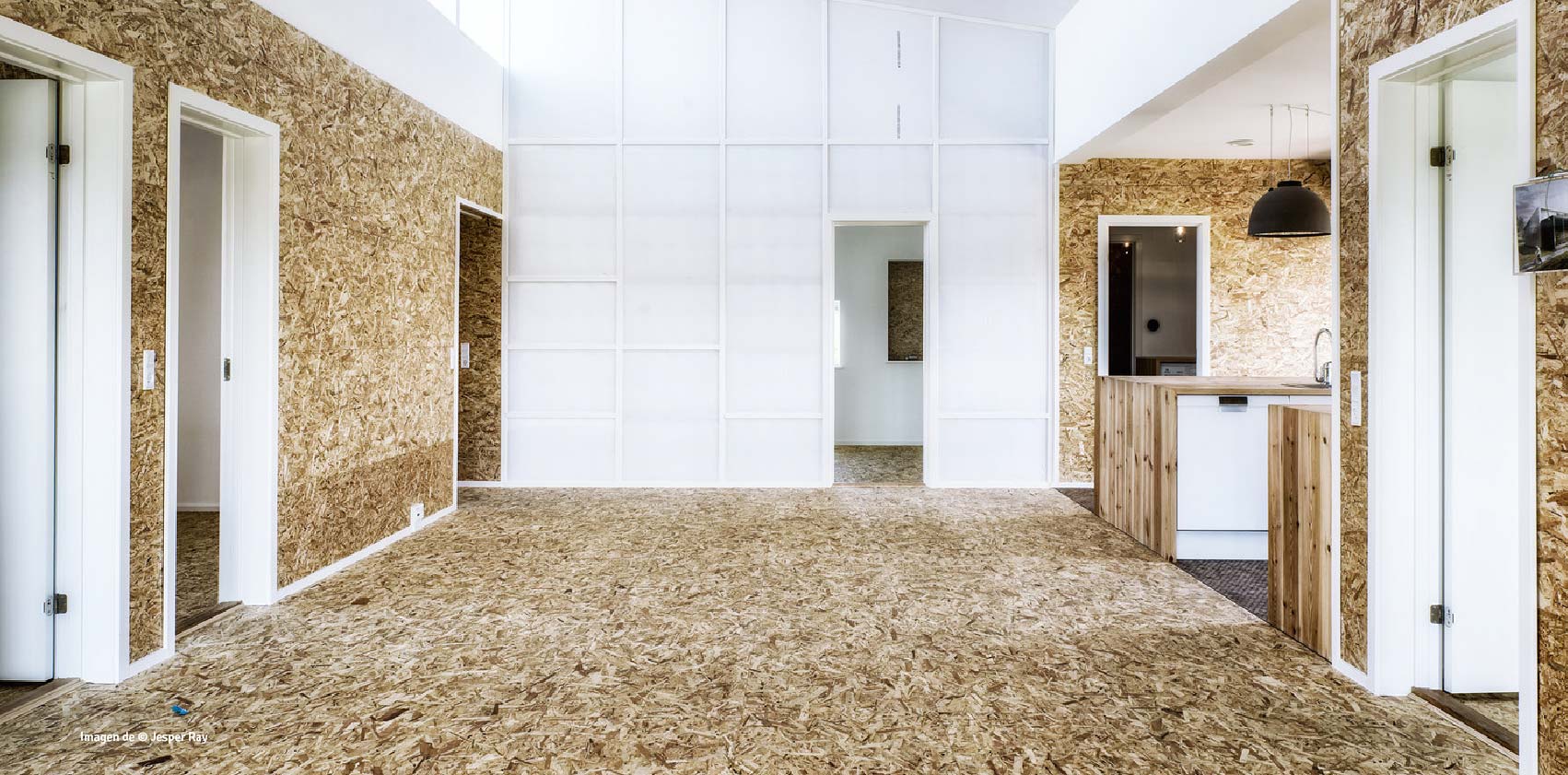
Certified wood comes from sustainably managed forests, which guarantees their renewal and a low carbon footprint. This material stands out for its excellent thermal insulation properties and its ability to significantly reduce the carbon footprint in construction.
In addition, the use of certified wood contributes to the conservation of forests and to the well-being of the environment.
Recycled concrete is manufactured using waste from previous construction, which reduces the demand for new raw materials and optimizes the use of resources. This material helps to better manage waste and to reduce the carbon footprint associated with manufacturing new concrete.
Recycled steel is known for its durability, water and pest resistance, and low maintenance. Using recycled steel in construction helps to reduce the overall carbon footprint of the project and the carbon dioxide emissions during its production.

Mycelium panels ©BIOHM
The Hempcrete, made of hemp fiber, is a lightweight material that offers excellent insulating properties and contributes to the absorption of carbon dioxide, making it carbon-negative.
Its ability to renew faster than wood makes it an ideal option for sustainable construction.
Derived from fungi, mycelium is a biodegradable material with interesting structural properties. It is being researched as an option for walls, bricks and insulation.
The use of recycled plastic in construction is essential to promote a circular economy. This material helps to minimize waste generation and can be incorporated into products such as roofing, cladding and piping systems.

Use of cork indoors. Image taken from Cambium.gva.es
Extracted without damaging the trees, the cork offers excellent thermal and acoustic insulation. Its use in construction improves the interior comfort of spaces and is 100% renewable.
Bamboo is a tough and flexible construction material, with an incredible strength-to-weight ratio. Its rapid growth and capacity to improve soil quality and local biodiversity make it a sustainable and abundant resource for construction.
Sheep wool is a highly insulating and effective material, with excellent moisture management capabilities that help regulate it in built spaces.
In addition, obtaining it requires less energy compared to other materials, reinforcing its profile as a sustainable option.

Self-healing concrete. Source Elsevier.
Technological advances are taking sustainable materials to a new level, improving their properties and efficiency:
Self-healing concrete uses bacteria and polymers to repair cracks, significantly extending the life of structures. This innovation improves the durability of buildings and reduces the need for costly repairs and the use of new materials.
Aerogel is an ultra-light synthetic material composed of 99.8% air, known for its low density and thermal conductivity.
Used as ecological thermal insulation, it offers an effective solution to improve the energy efficiency of buildings.
Hydroceramics, which combine clay and hydrogel, are an innovative solution for cooling building interiors up to 6°C. This technology, developed by students from the Institute of Advanced Architecture of Catalonia, promotes passive cooling and improves the energy efficiency of buildings.
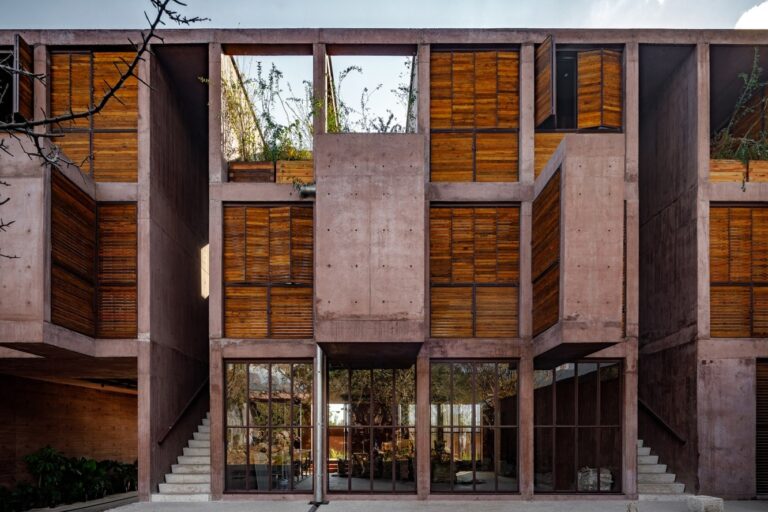
Tepoztlán hotels. Image by © Onnis Luque
By using sustainable materials, it helps to reduce the emission of carbon dioxide during useful life of buildings. The use of biomass ash in cement production, for example, can reduce CO2 emissions by 30% and optimize resource consumption.
These types of innovations are crucial to combat climate change and improve construction sustainability.
Sustainable materials improve efficient energy use in buildings, which translates into lower long-term operating costs. Although they may have a high initial cost, they generate significant savings in operating costs and low levels of volatile organic compounds, thus improving indoor air quality.
The use of environmentally friendly materials increases the value of properties and makes them more attractive to potential buyers. Properties built with these materials tend to value more in the market due to their sustainability and health benefits, which can increase their commercial value and improve their profitability.
The future of sustainable construction is shaping up as a combination of innovation and environmental responsibility. Sustainable materials are gaining relevance due to growing environmental awareness and the need for efficient solutions, and everything seems to indicate that this trend will increase.
From renewable materials such as bamboo to innovations in low-emission cements and bioplastics, the increasing use of these sustainable solutions points to a profound transformation in the future of the construction industry.
Recent innovations have allowed the production of cement that emits lower emissions during manufacture, reducing its carbon footprint between 25% and 55%, depending on the technology used. It is an alternative for projects with ambitious environmental goals.
Woods treated with advanced techniques, such as thermal modification, improve the strength and stability of wood without adding chemicals. These techniques make it possible to improve durability and sustainability in construction projects, contributing significantly to sustainable construction.
Bioplastics, such as those made of Made of Air, are sustainable materials that can be used in construction and have a reduced environmental impact. This bioplastic is carbon-negative and promotes a circular economy by using renewable and non-toxic materials.
Sustainable materials are redefining the construction industry by offering solutions that benefit the environment, improve quality of life and generate economic benefits. From common materials such as certified wood to innovations such as hempcrete and mycelium, and natural materials such as cork and bamboo, each plays a vital role in creating greener and more sustainable buildings. Technological innovation is taking these materials to a new level, improving their properties and efficiency.
Certified wood is obtained from responsibly and sustainably managed forests, ensuring their renewal and reducing the carbon footprint. This practice provides significant environmental benefits.
Recycled concrete contributes to sustainability by using waste from previous buildings, which reduces the need and consumption of raw materials and minimizes the carbon footprint in its production.
Recycled steel offers significant construction advantages, such as its durability and resistance to water and pests. In addition to being durable and resistant, it significantly reduces polluting emissions and energy use in its production.
Hempcrete is a lightweight, insulating construction material made from hemp fiber, known to be carbon-negative by absorbing carbon dioxide. Its benefits include energy efficiency and environmental sustainability.
Yes. Sustainable materials can increase the value of properties by improving energy efficiency, indoor air quality and making them more attractive to responsible buyers, which in turn increases their market value and profitability.
Leaf Global. Copyright © 2026. All rights reserved.