He leads projects and consulting services under LEED, EDGE, and FITWEL standards, integrating facade optimization strategies, life cycle assessments, and energy modeling to develop high-performance buildings.
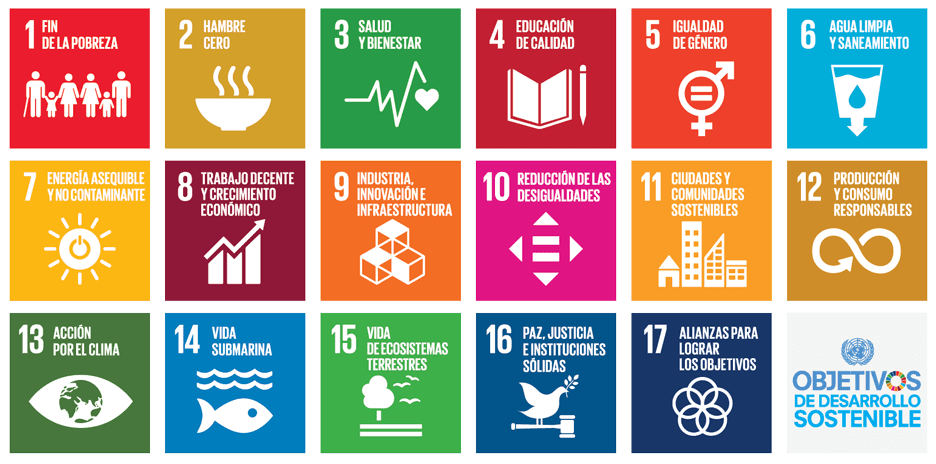
The Sustainable Development Goals (SDGs) were established by the United Nations Organization (UN) in 2015 in order to eradicate poverty, protect the planet and ensure prosperity for all. The SDGs comprise a total of 17 objectives and 169 targets to be achieved by the year 2030.
These objectives seek a balance between economic, social and environmental development, to ensure a sustainable and just future for all. The construction sector is one of the most important in the world economy and, therefore, plays a fundamental role in achieving the SDGs.
You can also view:
The construction industry is responsible for the consumption of a large amount of natural and energy resources, as well as for the generation of a large amount of waste. As a result, it has a major environmental and social impact.
This is why the construction sector must be a key actor in the implementation of the SDGs. Some of the objectives that are directly related to construction are:
One of the most important tools for implementing the SDGs in the construction sector are sustainable certifications for buildings. These certifications evaluate the environmental, social and economic performance of buildings and promote the implementation of more sustainable practices.
Some of the most important certifications are LEED (Leadership in Energy and Environmental Design), EDGE (Excellence in Design for Greater Efficiencies), and WELL Building Standard, among others.
Obtaining these certifications directly contributes to achieving several of the objectives of sustainable development, such as the reduction of greenhouse gas emissions, the use of renewable energy, the protection of biodiversity and the promotion of gender equality.
In short, the construction sector plays a fundamental role in achieving the Sustainable Development Goals, and sustainable certifications for buildings are a key tool to achieve this. The implementation of sustainable practices in building construction directly contributes to the protection of the environment, the reduction of poverty, the creation of employment, the strengthening of the economy and the development of more livable and sustainable communities.
If you want to certify your next construction project, contact us here.
Leaf Global. Copyright © 2026. All rights reserved.