He leads projects and consulting services under LEED, EDGE, and FITWEL standards, integrating facade optimization strategies, life cycle assessments, and energy modeling to develop high-performance buildings.
Urban planning and its impact on 21st century cities
In an increasingly urbanized planet, the planning of our cities is becoming a key factor in addressing the challenges of the 21st century. This article delves into the complex world of urban planning at a global level, highlighting how decisions made in urban environments can have a profound impact on the lives of millions of people, on environmental sustainability and on the creation of more inclusive and dynamic communities.
Key actions for urban planning
Integrated Urban Planning Policies: Cities are complex and constantly changing systems, and therefore, urban planning policies achieve a greater impact when they are addressed in a comprehensive and systemic way rather than in an isolated and sectorial way. Implementing urban planning policies at both national and local levels that consider the multifaceted nature of urban planning is essential to ensure the reduction of carbon emissions in buildings and construction. It is crucial to give priority to cities that are experiencing rapid population growth, and also to involve citizens and encourage their active participation in the planning process to improve their understanding of urban problems and promote knowledge exchange.
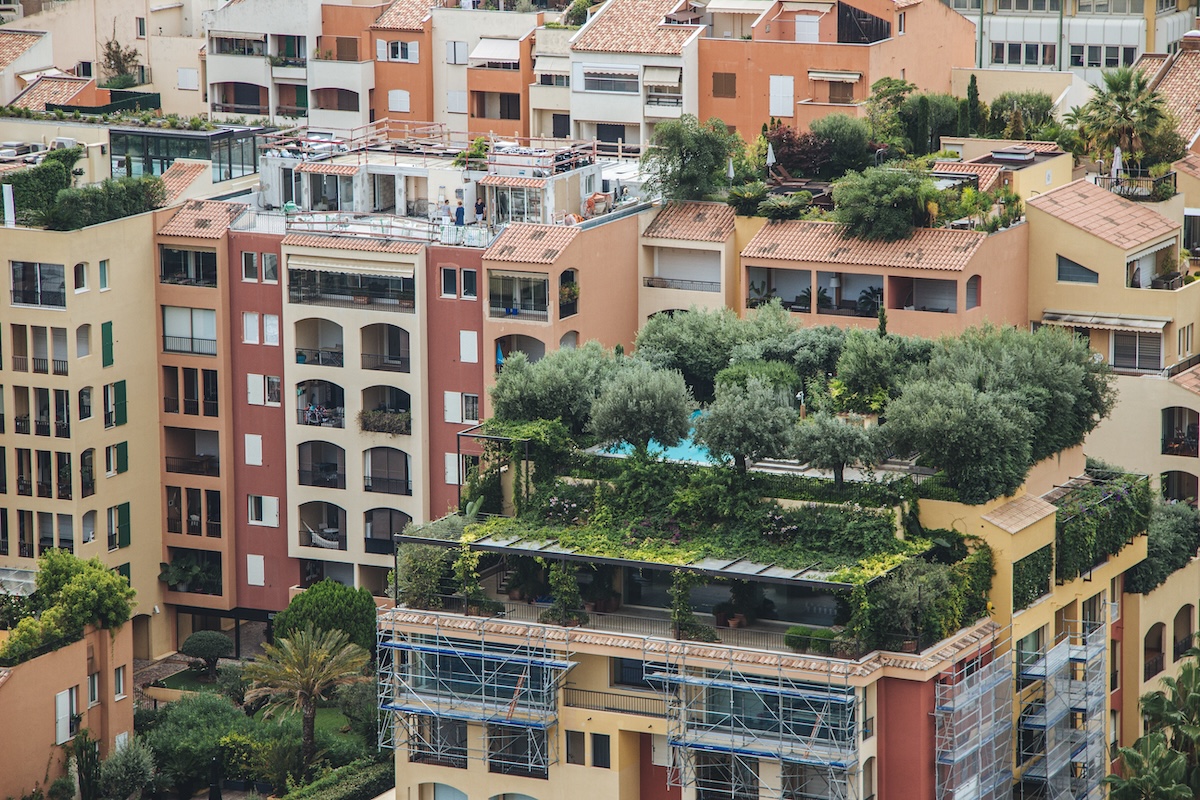
Local and National Urban Plans Based on Location Efficiency: These plans should focus on location efficiency, design oriented to public transportation, the incorporation of green areas to mitigate the heat island effect, and the implementation of building codes for net-zero carbon and resilience buildings.
District-Level Energy Planning: Facilitate a systemic approach that allows planning the integration between energy demand and supply at the district level to provide more efficient and low-carbon solutions.
Institutional Coordination: Ensure collaboration between national, subnational and municipal levels, and in different aspects, such as transportation, spatial planning, energy supply and housing, based on effective communication and understanding of the multiple benefits of reducing carbon emissions in buildings and construction.
Key Actors for Urban Planning
At the global level, the main stakeholders in sustainable urban planning include those who can influence urban planning and those who can achieve zero-emission, efficient and resilient building results through urban planning. Other additional stakeholders are those who can support the process through research, funding, training and the availability of technologies.
National Government
Subnational governments
Public service companies
Project owners and promoters
Financial Institutions
Architects and engineers
Manufacturers, Retailers and Suppliers
Workers and installers
Building owners and occupants
Civil society
Urban planning policies
Urban planning policy can support the creation of buildings that do not emit greenhouse gases, are efficient and resilient by enabling a local environment that uses resources in a sustainable manner and provides support to designers, developers and owners to invest in achieving overall sustainable development goals.