He leads projects and consulting services under LEED, EDGE, and FITWEL standards, integrating facade optimization strategies, life cycle assessments, and energy modeling to develop high-performance buildings.
The world is going through a transition to sustainability. The increase in pollution, the consequences of climate change and the pressure of the Greenhouse effect have boosted the sector of construction To rethink your processes and models. Within this context, the Term green building, a concept that connects innovation, architecture and environment to offer real solutions to the current challenges of planet.
Green buildings Not only do they reduce the carbon footprint, they also generate trust in investors, companies and citizens by demonstrating that it is possible to grow without compromising the future of the next generations.
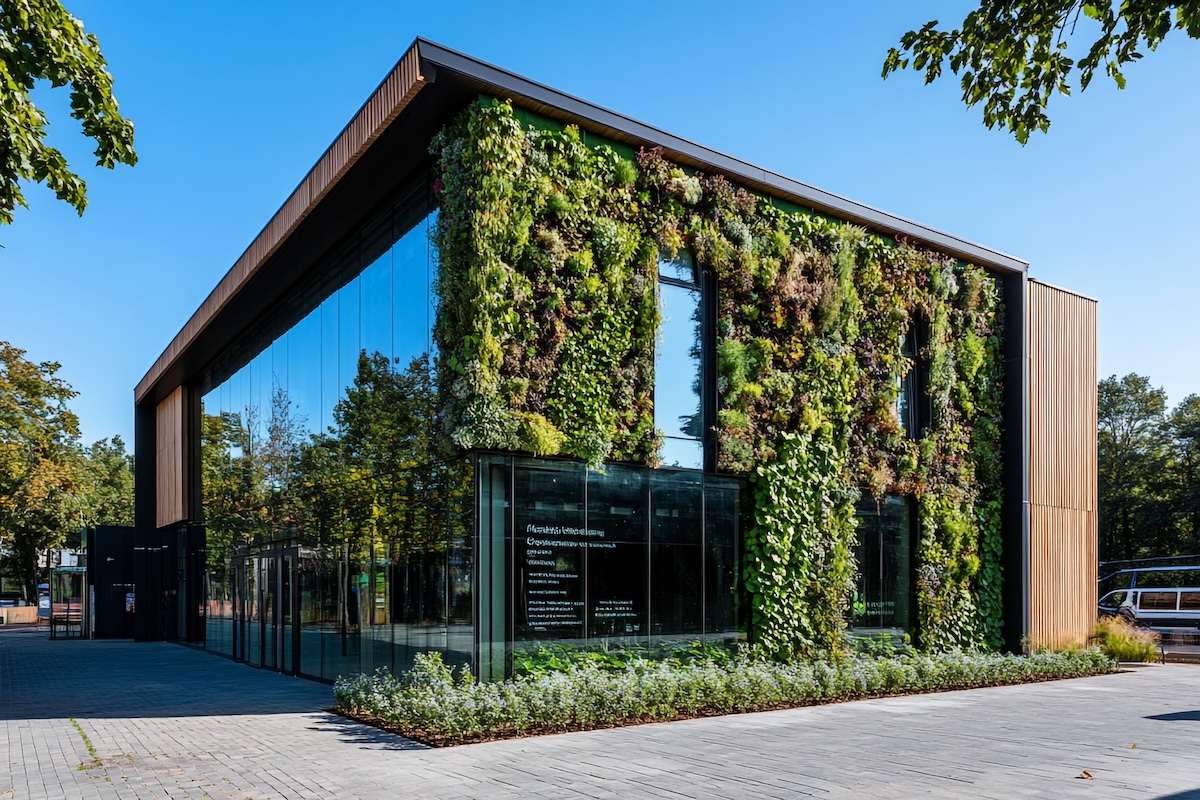
A green building It is a construction designed under principles of sustainability to minimize environmental impact and maximize social and economic benefits.
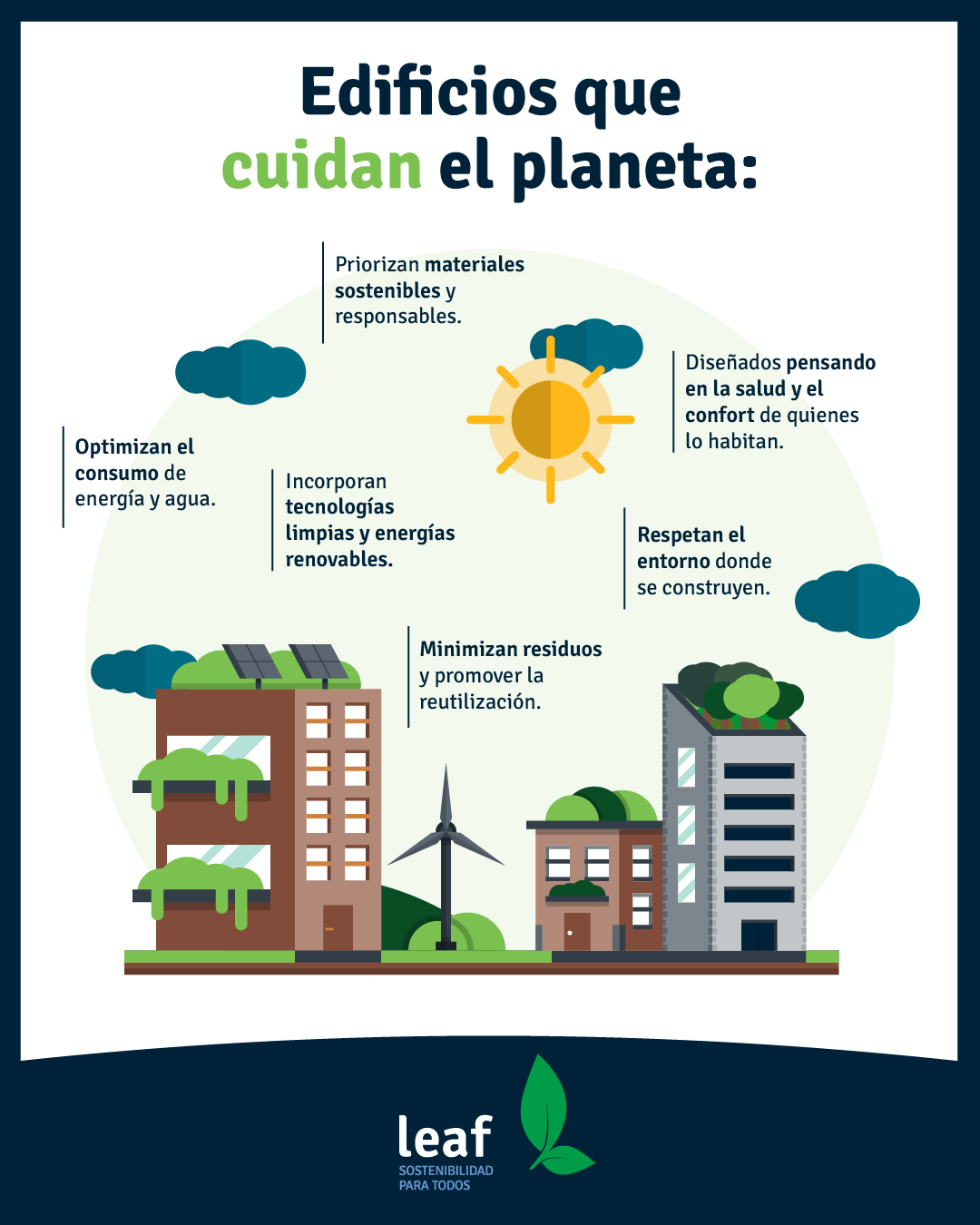
Unlike traditional buildings, green buildings:
In short, a green building is a sustainable construction model What helps to face the effects of climate change and to improve the quality of life In our towns.
The carbon footprint of traditional construction is enormous: from the extraction of materials Until the production and transport. Green buildings reduce these emissions Thanks to innovation strategies, such as the use of efficient soil, the recycling of elements and the implementation of responsible policies.
The result is a minor impact on the environment, what generates trust in institutions and professionals and strengthens the global commitment to a sustainable future.
One of the key elements in this type of project it is the energy efficiency. Through the use of renewable energy —solar panels, geothermal heating systems, low-scale wind turbines— it is possible to reduce the intake of conventional energy and the polluting emissions.
In addition, the efficiency mechanisms allow significant economic savings for companies and owners, which turns green buildings into a strategic funding decision And of sustainable development.
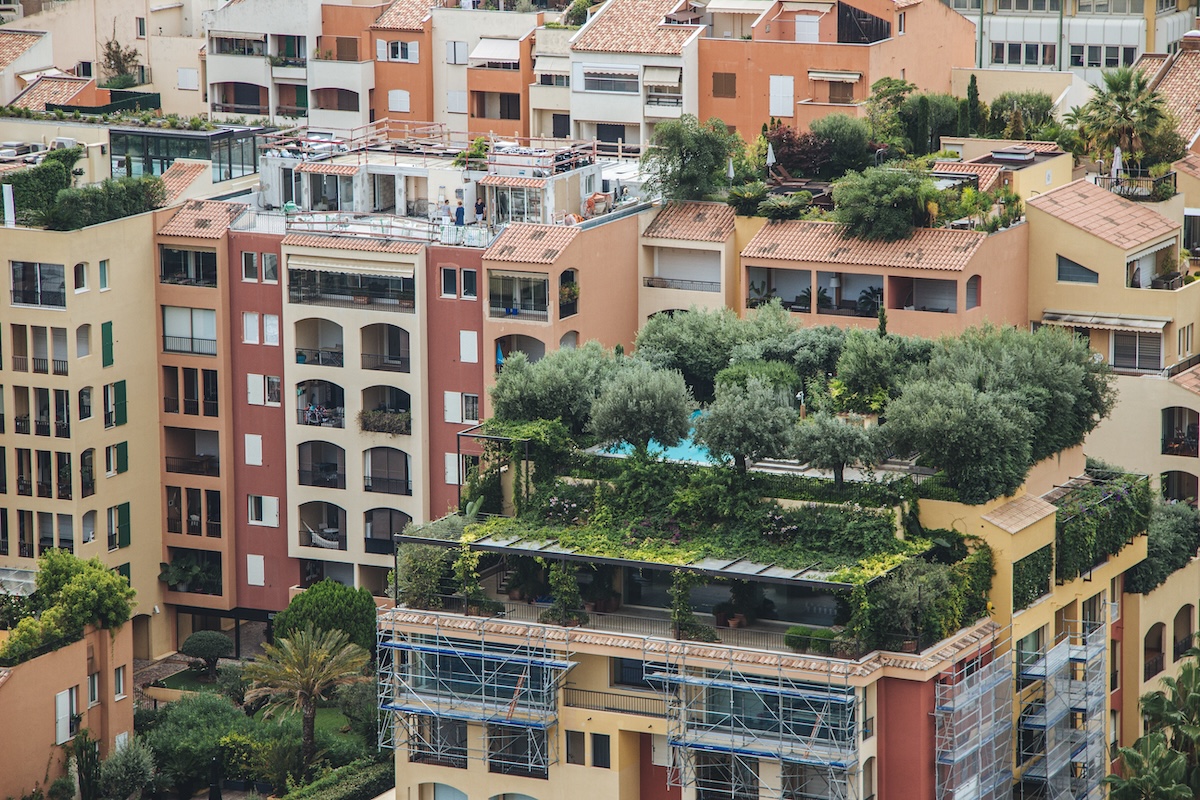
Beyond energy savings, green buildings seek to improve People's lives. The design of spaces with gardens, native plants and natural ventilation systems creates healthier and more harmonious environments.
This impacts the reduction of respiratory diseases, promotes social welfare, generates a positive link with the environment and offers an environment of environmental education for the new generations.
The incorporation of green areas also helps combat Effects of urban heat, favors several species and improves the resilience of sustainable cities.
Green buildings are an example of how the innovation and teamwork They can transform the construction sector. Thanks to new tools, policies and implementation processes, today it is possible to develop sustainable projects with a lower environmental impact and greater social value.
This change aligns with the Principles of the UN and with the objectives of combating energy poverty, the improvement in the quality of life and the reduction of the effects of climate change.
Increasingly firms And financial institutions They include within their sustainability strategies The financing green projects. This means that investing in a green building not only responds to an environmental need, but it also opens the door to new markets, fiscal incentives and international support mechanisms.
Take the decision to bet on sustainable construction has become a competitive advantage in a world where cities and productive sectors are moving towards a more responsible system.
Green buildings are part of a architecture and production system which seeks to transform our cities. When implementing sustainable strategies, favors a more inclusive urban development, with access to decent spaces, reduction of poverty and resource protection for the next generations.
In this way, sustainable construction becomes a strategic commitment to ensure the social welfare And the trust in public policies Who guide the transition to a fairer and more sustainable future.
The use of renewables, the optimization in the resource consumption, the reduction of emissions, the integration of gardens and plants, and the design of sustainable construction processes.
Yes. Thanks to the energy efficiency And to the sustainable financing mechanisms, companies are able to reduce operating costs and access incentives that increase the value of their investment.
They reduce the effects of Greenhouse effect, reduce the pollution, care for the biodiversity of species local and support the fight against energy poverty in cities.
The Term green building reflects a profound change in the way we understand the construction and urban development. It's not just about architecture, but about a comprehensive strategy What matches innovation, sustainability and quality of life.
Since the reduction of the carbon footprint until the creation of sustainable cities aligned with the Objectives of the UN, green buildings represent a A necessary bet for the future of the planet.
The implementation of this model not only does it respond to environmental needs, it also opens up new opportunities for funding, education and social welfare. Betting on them is to guarantee a sustainable future for the next generations.
Leaf Global. Copyright © 2026. All rights reserved.