.jpg)
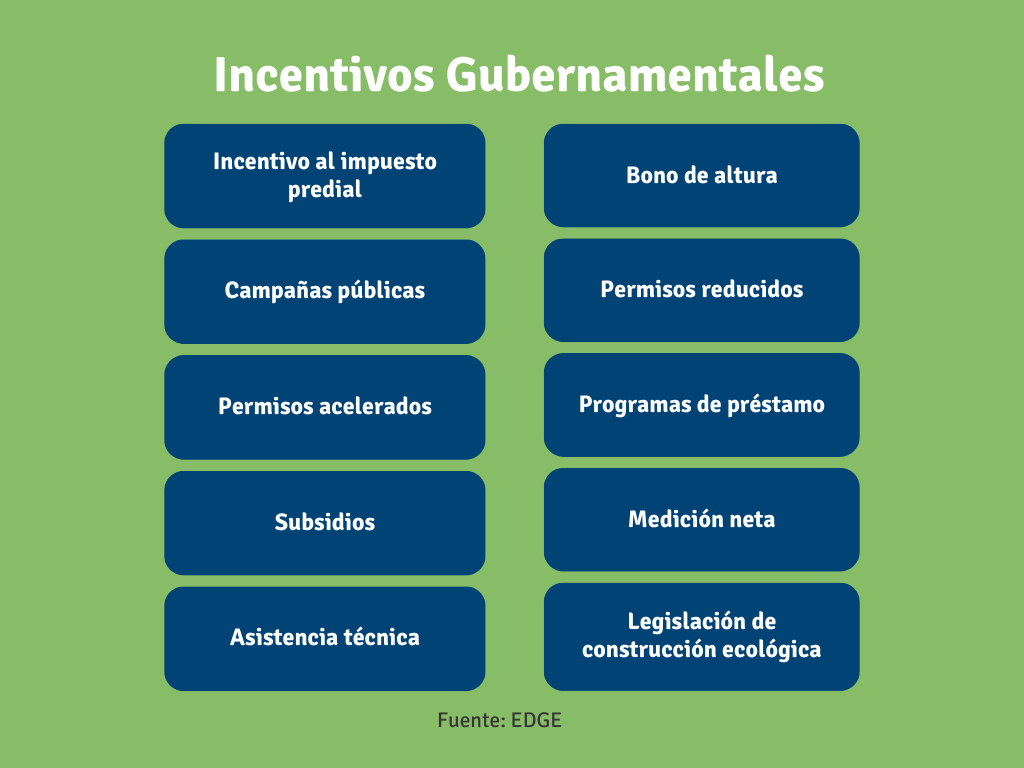
Brazil has surpassed 2 million square meters of EDGE-certified space, and regulatory pressure keeps building. São Paulo applies IPTU discounts for certified green buildings, Curitiba and Belo Horizonte have similar frameworks, and Caixa Econômica Federal and BNDES offer preferential credit lines for green-certified projects. Real estate investment funds (FIIs) listed on B3 already include sustainability as an asset qualification criterion. A project without certification doesn't just miss that financing — it gets excluded from the portfolios of major institutional funds.
Initial assessment: We analyze the project design and identify the measures needed to achieve EDGE's required 20% savings in energy, water, and materials.
Registration and modeling: We create the project file in the EDGE platform and calculate the efficiency score calibrated for the project's specific climate zone in Brazil.
Technical audit: An IFC-accredited auditor validates compliance with EDGE criteria before construction and upon project completion.
Certification issued: The project receives the official EDGE seal, enabling access to green financing benefits and positioning it as a certified sustainable building in the Brazilian market.

Yes. São Paulo's municipal law (Lei Cidade Verde) recognizes EDGE certification as valid for accessing IPTU discounts of up to 25%. Curitiba and Belo Horizonte have similar frameworks that also recognize EDGE.
It applies to residential, offices, hotels, healthcare facilities, education, industrial, and mixed-use. In Brazil the fastest-growing segment is logistics and industrial in the São Paulo-Campinas-Santos corridor, where tenants require certification as part of their ESG commitments.
Between 4 and 8 weeks from registration to the issuance of the design certificate, depending on project complexity. The final construction certification is issued once construction is complete.
Leaf Global. Copyright © 2026. All rights reserved.