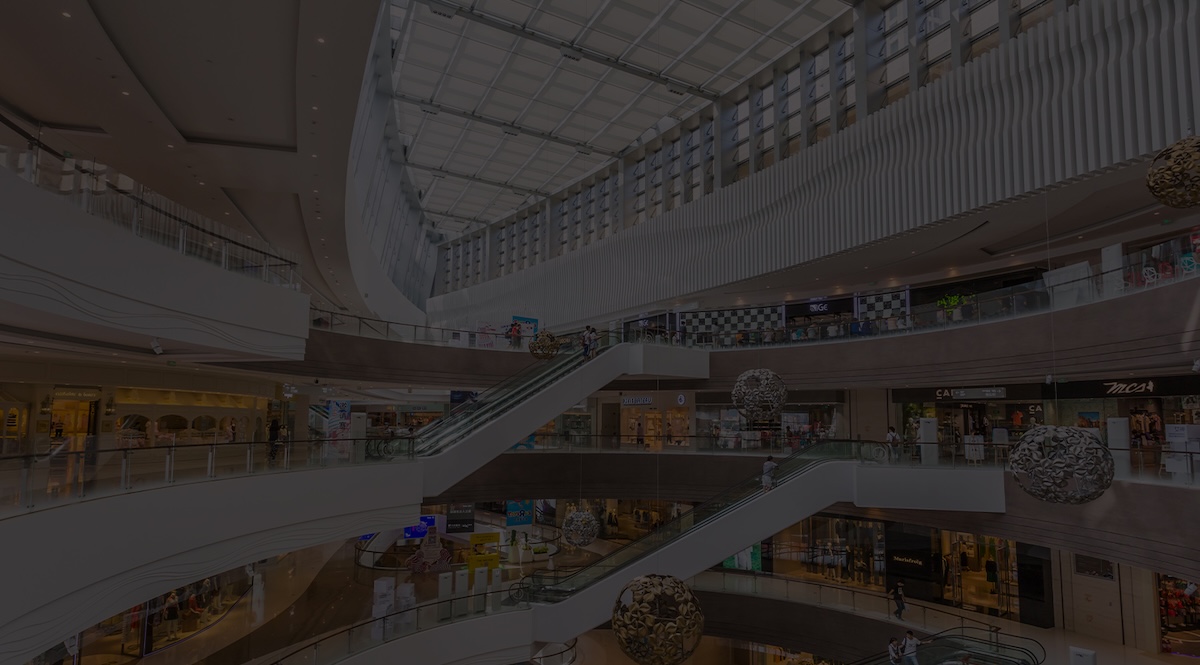
The commercial segment faces a new pressure: the highest-value anchor brands — Nike, Zara, Apple, H&M — have sustainability policies that are beginning to include requirements about the property where they operate. A shopping center without green certification not only faces higher operating costs for HVAC, lighting, and water — it also loses competitiveness in attracting the premium tenants that generate the most traffic and rent. Additionally, investment funds that acquire commercial assets in emerging markets already include environmental certification as a due diligence criterion.
Initial assessment: We analyze the commercial project design and identify the measures needed to achieve EDGE's required 20% savings in energy, water, and materials.
Registration and modeling: We create the project file in the EDGE platform and calculate the efficiency score calibrated for the commercial use type and the project's climate zone.
Technical audit: An IFC-accredited auditor validates compliance with EDGE criteria before construction and upon project completion.
Certification issued: The project receives the official EDGE seal for commercial use, enabling access to premium tenants, institutional financing, and positioning as a certified sustainable commercial asset.

It applies to all commercial use typologies: shopping centers, strip retail, street-level stores, commercial plazas, and mixed-use projects with a commercial component. EDGE's retail module has specific criteria for each typology.
Nike, H&M, Zara (Inditex), Apple, Unilever, and most brands with public sustainability commitments have policies that are beginning to include requirements about the property where they operate. The trend accelerates year over year.
Between 4 and 8 weeks from registration to the issuance of the design certificate. The final construction certification is issued once construction is complete.
Leaf Global. Copyright © 2026. All rights reserved.