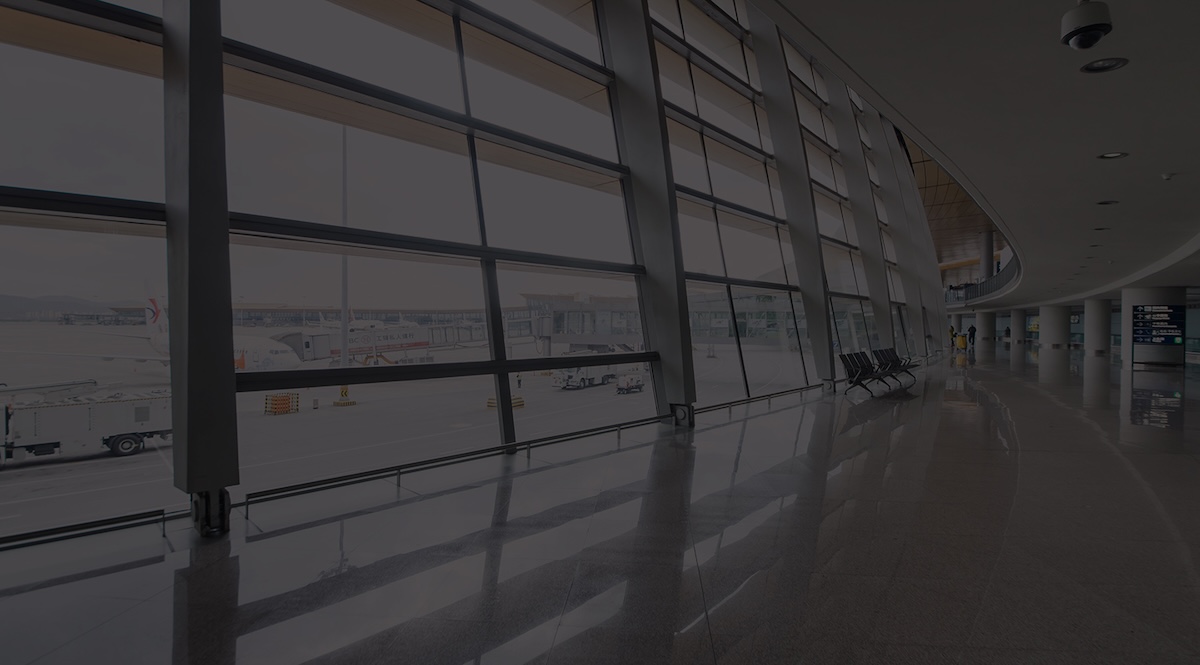
Airports are among the most complex and ambitious projects where LEED can be applied. An airport terminal operates 24 hours a day, consumes between 300 and 500 kWh/m² annually (5-8 times more than an office building), manages thousands of simultaneous users, and has mechanical systems of unparalleled complexity. But airports also have unique LEED advantages: enormous roof surfaces for solar, privileged position for Alternative Transportation credits (transit access, bicycles), and the public visibility that makes LEED certification an institutional statement about the airport operator's values. Airports like San Francisco International, Denver International, and several in Europe and Asia have proven that LEED Platinum is possible and profitable in high-complexity terminals.
Airport LEED diagnosis: we assess project typology (new terminal, expansion, auxiliary building) and define the applicable LEED system (BD+C: New Construction for new terminals) and target level.
Energy and water strategy: we design the EA credit strategy prioritizing highest-consumption systems in terminals (large-volume HVAC, airside lighting) and stormwater management for large surfaces.
Airport commissioning: we coordinate the Fundamental Commissioning plan (LEED prerequisite) for a terminal's complex systems, including large-volume HVAC, pressure control systems, and emergency systems.
GBCI certification: we manage review cycles for airport projects with experience in high-complexity systems documentation and GBCI review timelines for this project type.

For new terminals and major expansions: LEED BD+C: New Construction. For existing terminals seeking operational certification without major construction: LEED O+M: Existing Buildings. For auxiliary airport buildings (hangars, cargo facilities, control towers): LEED BD+C or Warehouses depending on typology.
Airports have an advantageous position for LT (Location & Transportation) credits: connections to mass public transit (subway, rail), electric ground vehicle fleets, and employee bicycle programs are easily documentable and generate LT points that other building types can't accumulate as easily.
Between 24 and 48 months for new medium-to-large scale terminals, given the commissioning complexity and systems documentation. Integrating Leaf from schematic design is especially critical in airports to prevent MEP systems from being constructed without accounting for LEED commissioning requirements.
Leaf Global. Copyright © 2026. All rights reserved.