Advantages of a sustainable building

Home

>

Blog

>

Advantages of a sustainable building

What is the objective of sustainable architecture?

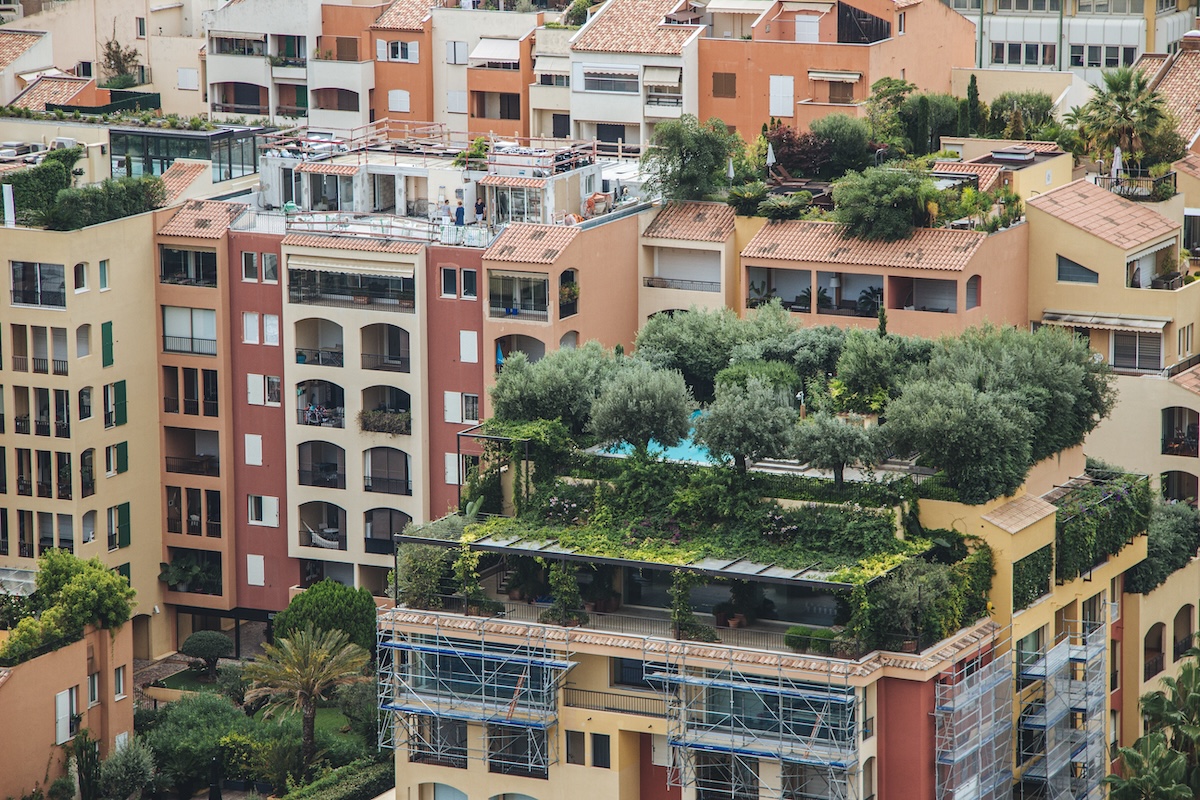
The goal of sustainable architecture is to create buildings and communities that are environmentally responsible, Socially just and economically viable. This is because it seeks to reduce the environmental impact of buildings and maximize their energy efficiency, while creating a healthy and comfortable environment for their occupants.

What requirements must a building meet to be sustainable?

For a building to be considered sustainable, it must meet certain requirements in terms of energy efficiency, materials and design. Here are some of the key requirements:

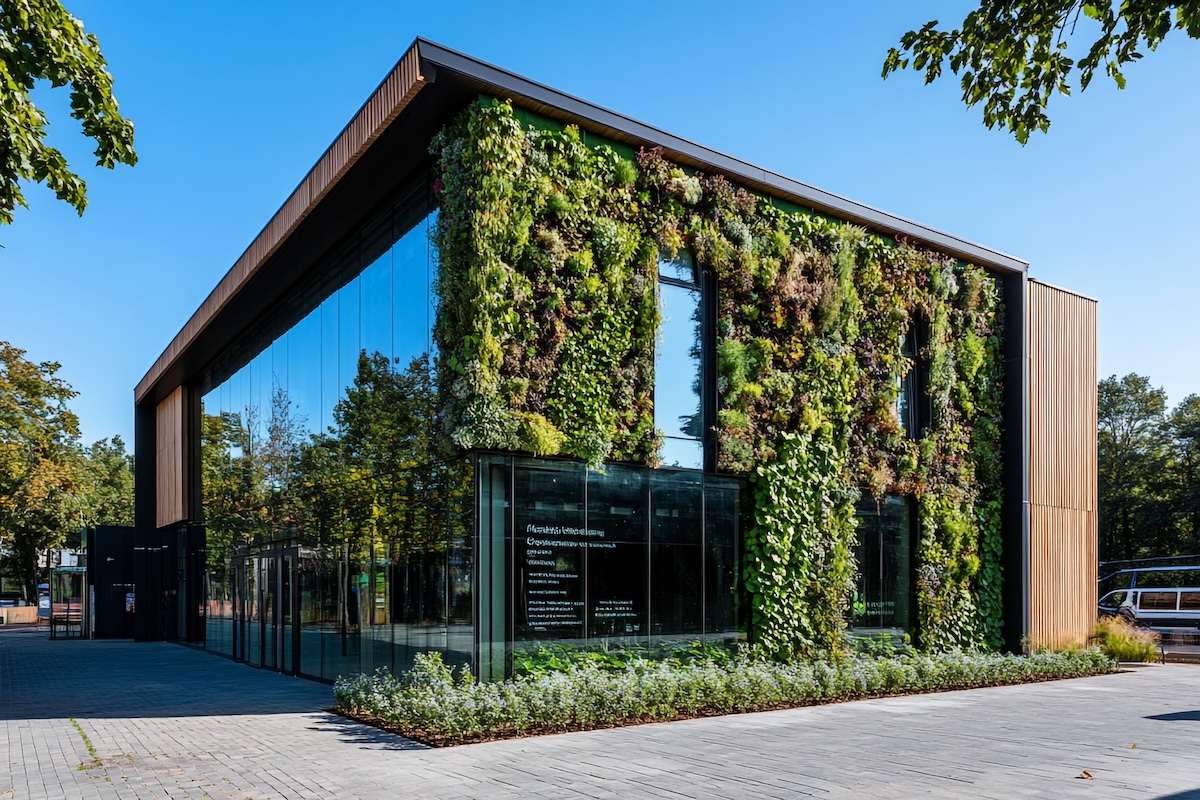
Energy efficiency Exist efficient systems for the generation, use and storage of energy, using renewable sources whenever possible. It must also be designed to minimize energy loss through the building envelope, using thermal insulation, low-emissivity glass and controlled ventilation. Sustainable materials Be of low environmental impact, preferably of renewable, recycled or reused origin. In addition, they must be carefully selected to minimize the emission of volatile organic compounds (VOCs) and other pollutants. Bioclimatic design Make the most of the environmental conditions of the environment, such as sunlight, natural ventilation and the use of wind energy. In addition, rainwater collection and wastewater treatment systems must be incorporated. Efficient water management Use efficient systems for water management, minimizing water consumption and using gray and black water treatment and recycling techniques. Health and comfort Provide a healthy and comfortable interior environment for its occupants, with good air quality, natural lighting, adequate acoustics and temperature and humidity control systems.

What are the benefits that an SME obtains from an international certification?

Obtaining an international certification can provide several benefits for SMEs in Latin America, including the following:

  • Access to new markets: By obtaining a recognized international certification, Peruvian SMEs can access new international markets, allowing them to expand their business opportunities and increase their visibility in the global market.
  • Improving reputation: An international certification can improve the reputation of Peruvian SMEs by demonstrating their commitment to quality, safety, the environment or any other area covered by certification.
  • Increased competitiveness: Certification can help Peruvian SMEs stand out from the competition by demonstrating that they meet international standards and are committed to continuous improvement.
  • Cost reduction: Certification can help Peruvian SMEs reduce costs by improving the efficiency of their processes and reducing the number of errors and failures in their products and services.
  • Compliance with regulations and regulations: An international certification can help Peruvian SMEs comply with national and international regulations and regulations, allowing them to avoid sanctions and fines for non-compliance.

In general, obtaining international certification can help Peruvian SMEs to improve their image, increase their competitiveness, access new markets and comply with regulations and regulations, allowing them to consolidate themselves as sustainable companies committed to quality, safety and the environment.

Impact of sustainable certification on stakeholders

Source: Ovacen

If you want advice and support in the certification of your next development. Contact us here.

Si quieres recibir este ebook,
¡suscríbete!

Portada de ebook azul con texto sobre oportunidades de financiamiento para construcción sostenible en América Latina y logo de Leaf.

Para Leaf, tu privacidad es fundamental. Por eso, utilizamos los datos que nos proporcionas para acercarte novedades e información relevante. Al descargar, muestras tu conformidad con ello. Puedes cancelar tu suscripción en cualquier momento.

Thank you! Your submission has been received!
Oops! Something went wrong while submitting the form.
EDGE Certification: The Fastest Way to Build an Efficient Building

EDGE certification is one of the fastest and most effective ways to create efficient buildings, reduce energy, water, and material consumption, and increase property resale value. Developed by the International Finance Corporation (IFC), part of the World Bank Group, EDGE helps real estate projects lower their environmental impact, reduce operating costs, and support decarbonization efforts. With a streamlined and measurable process, EDGE has become a strategic certification for developers and investors seeking sustainability, profitability, and market differentiation.

Sustainable certifications in Mexico: current overview and trends

Sustainable certifications in Mexico are gaining prominence as a key tool for companies and projects that seek to demonstrate their environmental, social and governance commitment. They are no longer limited to construction alone, but encompass complete processes, operations, products and business models.

Why environmental certifications increase the resale value of a property | Leaf

Discover how environmental certifications, energy efficiency and sustainable buildings increase the resale value of a property and reduce its environmental impact.

Logo with the word 'leaf' in white and text 'Sostenibilidad para todos' in blue next to two green leaves.

PERÚ

PANAMÁ

COLOMBIA

CHILE

CHINA

MÉXICO

CDMX

Monterey

SÍGUENOS EN

Instagram logo
Logo facebookLogotipo de LinkedIn en blanco sobre fondo azul.