He leads projects and consulting services under LEED, EDGE, and FITWEL standards, integrating facade optimization strategies, life cycle assessments, and energy modeling to develop high-performance buildings.
Discover how environmental certifications, energy efficiency and sustainable buildings increase the resale value of a property and reduce its environmental impact.
In a world where the sustainability, the energy efficiency And the environmental awareness increasingly influence purchasing decisions, environmental certifications have become a key factor that directly impacts the value of real estate. Today, a certified house, building or real estate project doesn't just represent a minor environmental impact, but also a higher profitability, better quality of life And a higher resale value.
This article discusses why environmental certifications increase the resale value of a property, how they influence consumers and investors, and what role they play in the face of global challenges such as climate change, the Greenhouse effect and the reduction of emissions.
Environmental certifications are evaluation systems that measure the performance of buildings and dwellings in relation to your Use of resources, energy consumption, water, materials, Indoor air and carbon footprint.
Certifications such as LEED, EDGE or BREEAM establish criteria, standards and processes clear that they guarantee a sustainable construction, aligned with the goals of environment, the planet and the recommendations of organizations such as United Nations And their member states.
In simple terms: a certified property is more attractive, more efficient and more profitable in the long term.
Energy efficiency It is one of the most valued pillars within any environmental certification. A building that consumes less energy, optimizes the lighting, take advantage of the Sunlight and uses technologies efficient generates a positive impact direct at the resale value.
Today's consumers prioritize projects that offer savings, efficiency and sustainability as part of their Everyday reality.
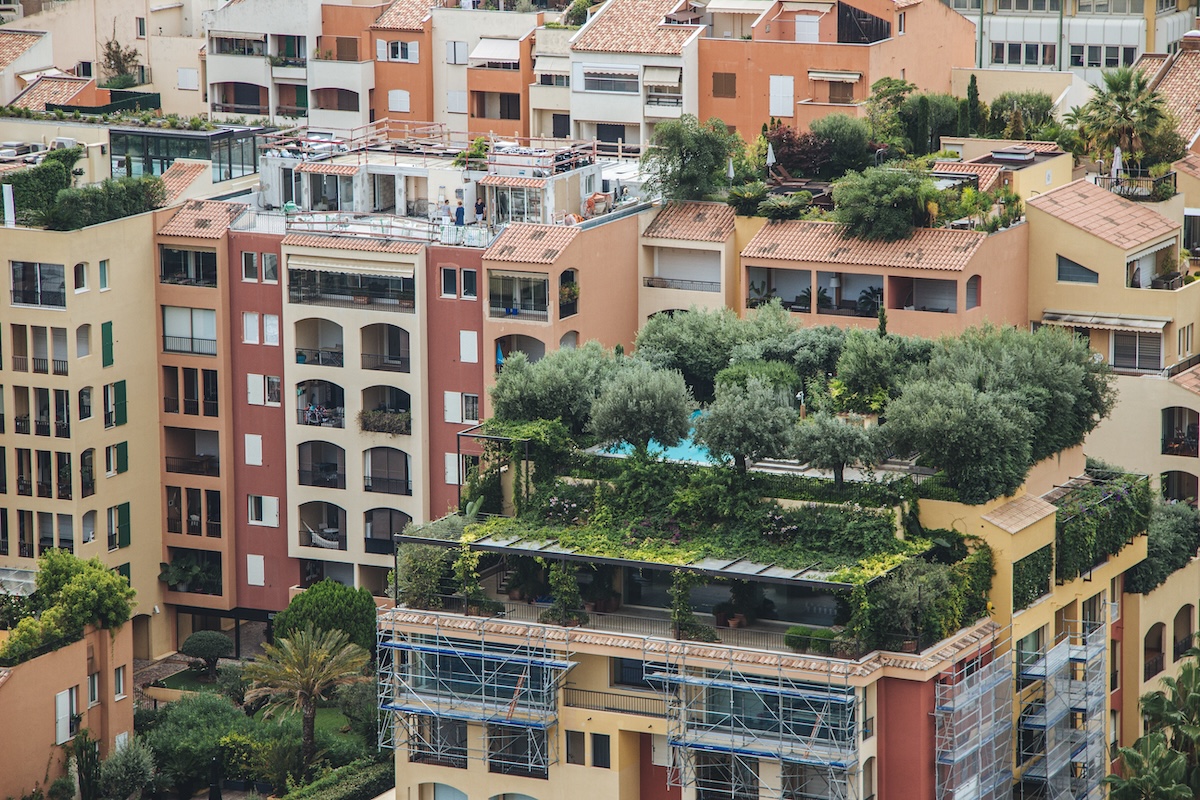
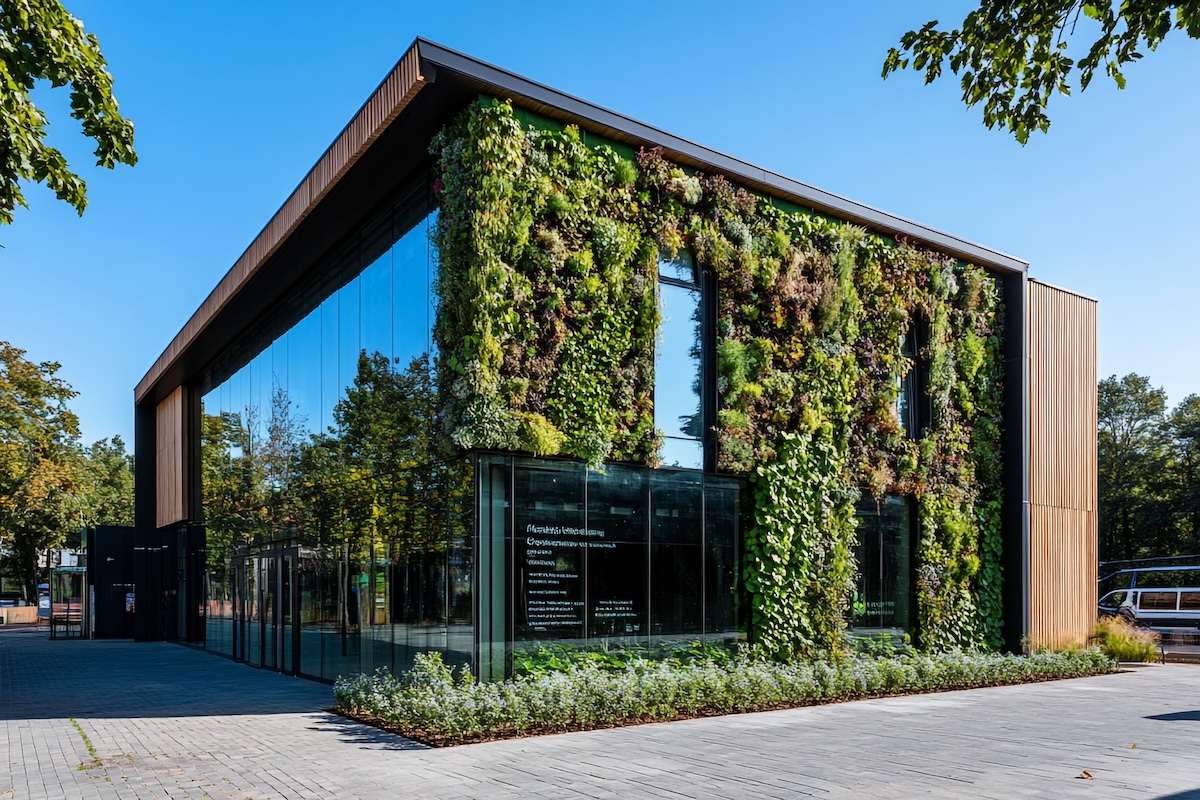
Sustainable buildings represent the evolution of the architecture And the construction traditional. These projects integrate intelligent design, responsible materials, systems of managing efficient and practices aligned with the care of the environment.
All this translates into a better perception of the property and a direct effect on its market value.
Environmental impact of a property is no longer a secondary issue. More and more buyers are evaluating the relationship between your home, the surroundings, the nature And the world that inhabit.
Certifications allow us to measure and reduce:
A lower impact is equivalent to a greater perceived value and, therefore, to a best resale.
Sustainable construction It's not a fad, it's a strategy of development aligned with the future of real estate sector. From the handiwork Until the operation, these projects optimize every stage of the building's life cycle.
Investing in sustainability is investing in real and measurable value.
The growing environmental awareness has transformed the behavior of consumers. Today we value one more household, department or building that demonstrates concrete actions in favor of environment.
Certifications work like a trust system, backed by a organization independent, which validates the environmental performance of the property.
El climate change It has promoted new regulations, international agreements and public policies focused on the reduction of emissions and responsible consumption.
Meeting certified standards reduces legal risks and increases competitiveness in the face of future regulatory changes, especially in large towns.
The integration of renewables such as solar panels, energy recovery systems or efficient plants significantly increase the attractiveness of the property.
The energy transition is a reality, not a promise.
Mexico City has established itself as a reference in sustainable real estate projects, promoting environmental certifications in offices, corporate towers and dwellings.
This leadership has raised the market standard and has demonstrated that certified buildings maintain and increase their value over time.
Iberdrola Tower It's a instance emblematic of how sustainability and certification LEED can transform the value of a property.
This project integrates:
The result: greater prestige, high demand and a higher real estate value.
The sector of construction is responsible for a significant part of the emissions of Greenhouse effect. Environmental certifications make it possible to measure, reduce and compensate for this impact.
Each certified building represents a concrete action for the planet and a clear competitive advantage in the market.
Environmental certifications increase the resale value of a property because they respond to a powerful combination of factors: economic savings, efficiency, environmental awareness, regulation, innovation and quality of life.
In an environment where the future requires responsibility, certified projects not only protect the environment, but they offer Higher value, Lower risk And a better one relationship with the environment.
Investing in sustainability today is assuring tomorrow's value.
Leaf Global. Copyright © 2026. All rights reserved.