Bioclimatic Architecture Strategies for Sustainable Buildings
Cesar Montes
Project Manager
He leads projects and consulting services under LEED, EDGE, and FITWEL standards, integrating facade optimization strategies, life cycle assessments, and energy modeling to develop high-performance buildings.
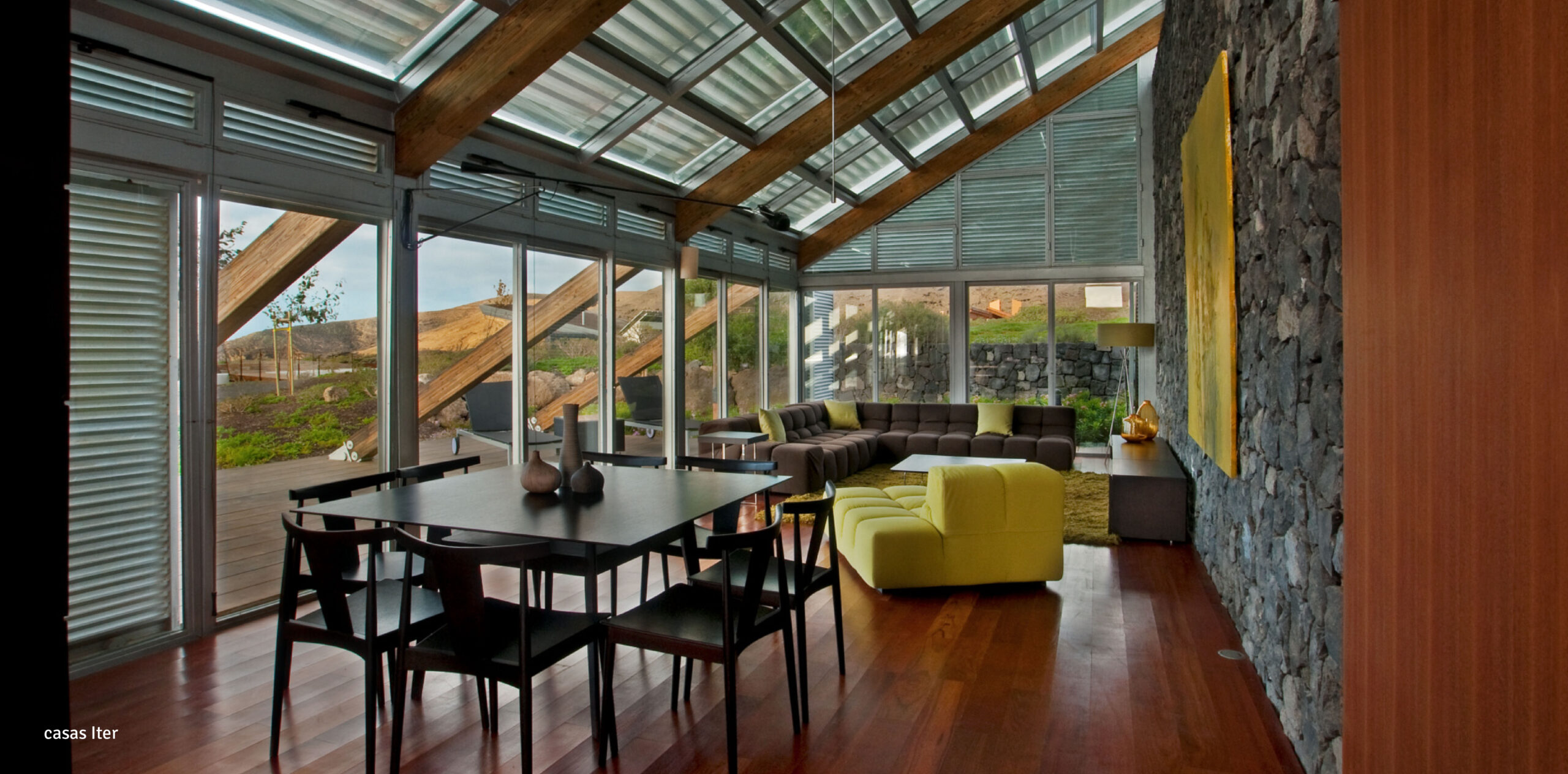
A bioclimatic home should be planned in such a way that it can adapt to the climatic conditions of the place. In winter, it should absorb and retain energy from the sun during the day to be used when needed, and in the case of places with a warm climate, it should be able to reflect solar radiation.
These are some of the bioclimatic architecture strategies that could be applied depending on the specific climatic conditions of each area.
Warm climate
Design the layout and orientation of the building to make the most of sunlight and natural ventilation.
Use sunshades on windows to protect them from direct sunlight.
Use light colors and materials that have a low thermal capacity in the elements used to protect windows from the sun, such as lattices or external blinds.
Make the most of natural ventilation and structural cooling at night to reduce energy consumption for cooling.
The building structure must facilitate natural ventilation. The basic elements would be the opposing windows to allow cross ventilation.
Cold weather
Place insulating material on doors that are lined with plates to improve thermal and acoustic insulation. The insulation can be of different types, such as polyurethane foam, fiberglass or mineral wool.
Install insulating materials suitable for the enclosure, with special attention to existing buildings to avoid problems of interstitial condensation. It is recommended to use balanced insulating materials, such as extruded polystyrene or cellular glass and place them close to the cold face or complement them with a vapor barrier.
Close any type of opening that may allow warm air to escape during the winter.
Hot or cold weather
Use sustainable construction materials with a low carbon footprint.
Integrate renewable energy systems.
Use stripping on doors and windows to reduce air entry or exit to ensure thermal and acoustic insulation inside, thus reducing heat loss when you feel cold and the entry of warm air on warm days.
Reduce or eliminate thermal bridges between walls and floors. Through thermal bridges, heat can escape or enter more easily, so design and construction techniques must be applied to minimize contact points between walls and floors, such as insulation from the outside, elimination of niches or ceilings and compact carpentry (about 20% of the energy that a building loses escapes through thermal bridges).
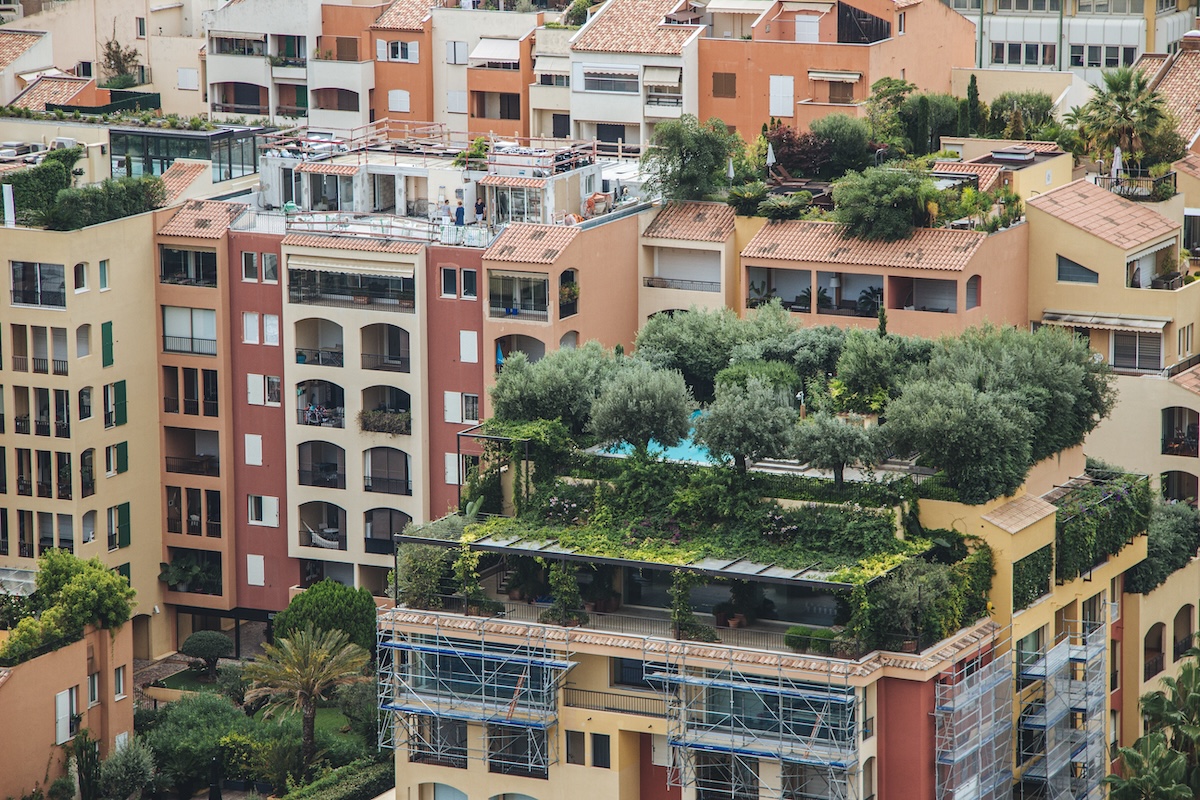
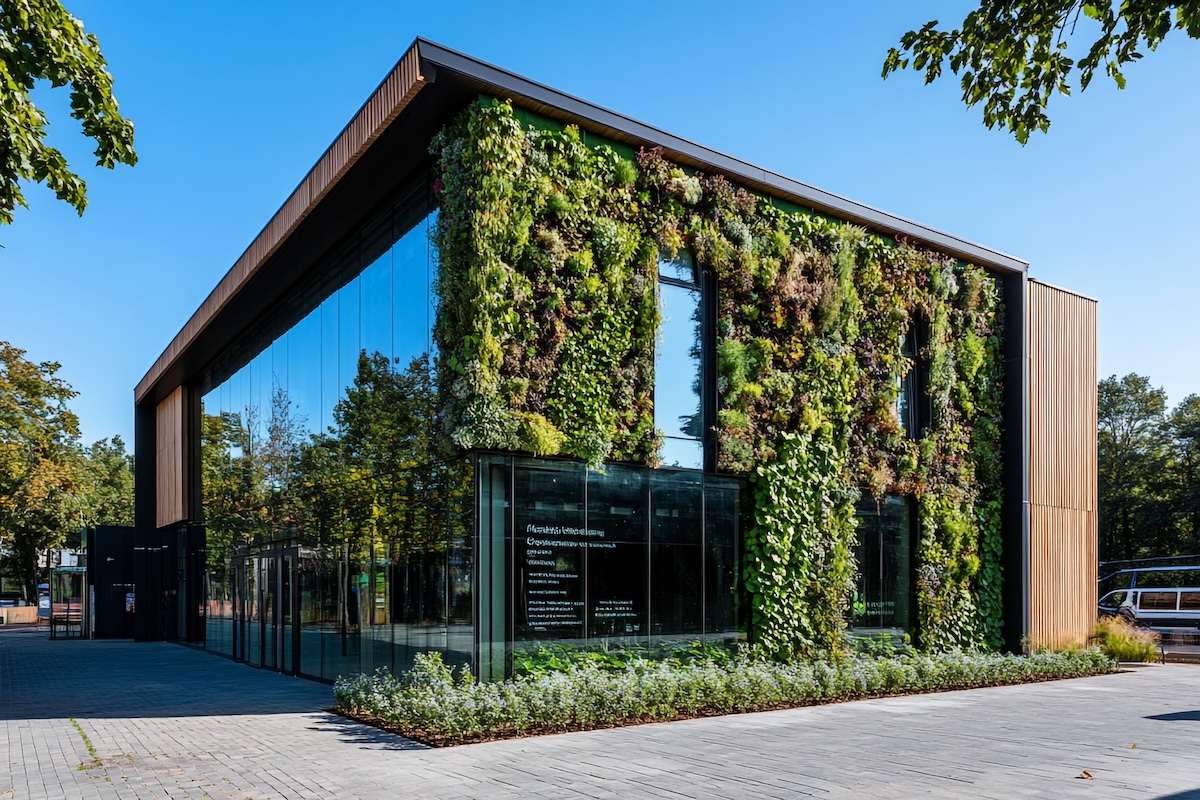
Make strategic use of the vegetation around the building to take advantage of its benefits in different seasons of the year (shade, improvement of air quality, reduction of soil erosion, among others).
Incorporate heating and cooling systems that use heat pumps, especially in places where winters are long.
Implement consumption monitoring and management systems.
Together, these measures entail a lower need for heating and cooling systems, which translates into lower energy consumption to maintain thermal comfort, in addition, they contribute to minimizing the environmental impact of the building and promoting the well-being of its occupants.
Sources consulted:Manual of Bioclimatic and Sustainable Architecture, Guillermo Gonzalo.Bioclimatic architecture in a sustainable environment, Javier Neila.