He leads projects and consulting services under LEED, EDGE, and FITWEL standards, integrating facade optimization strategies, life cycle assessments, and energy modeling to develop high-performance buildings.

Biophilia is the inherent need of human beings to connect with nature, affecting their physical and mental health. To understand the reason for this need, we must bear in mind that the body, mind and senses evolved in a natural world, not in one designed by man, since the built environment is relatively recent.
Biophilic architecture creates spaces that satisfy this need for connection, by integrating nature into their design, contributing to improving people's quality of life.
Natural light It is essential in biophilic architecture, it allows us to orient ourselves towards day, night and seasons, according to the location and cycles of the Sun, as well as establishing visual relationships between light and shade. It can be brought into interior spaces using skylights, glass walls, reflective materials, colors and other design strategies.
The natural ventilation in the built environment can be improved by variations in air flow, temperature, humidity and barometric pressure through windows or more complex technology and engineering.
The view of bodies of water prominent fountains, aquariums, built wetlands, and more, stimulate the senses and promote well-being. The experience is often more pleasant when it is perceived as clean water that is in motion.
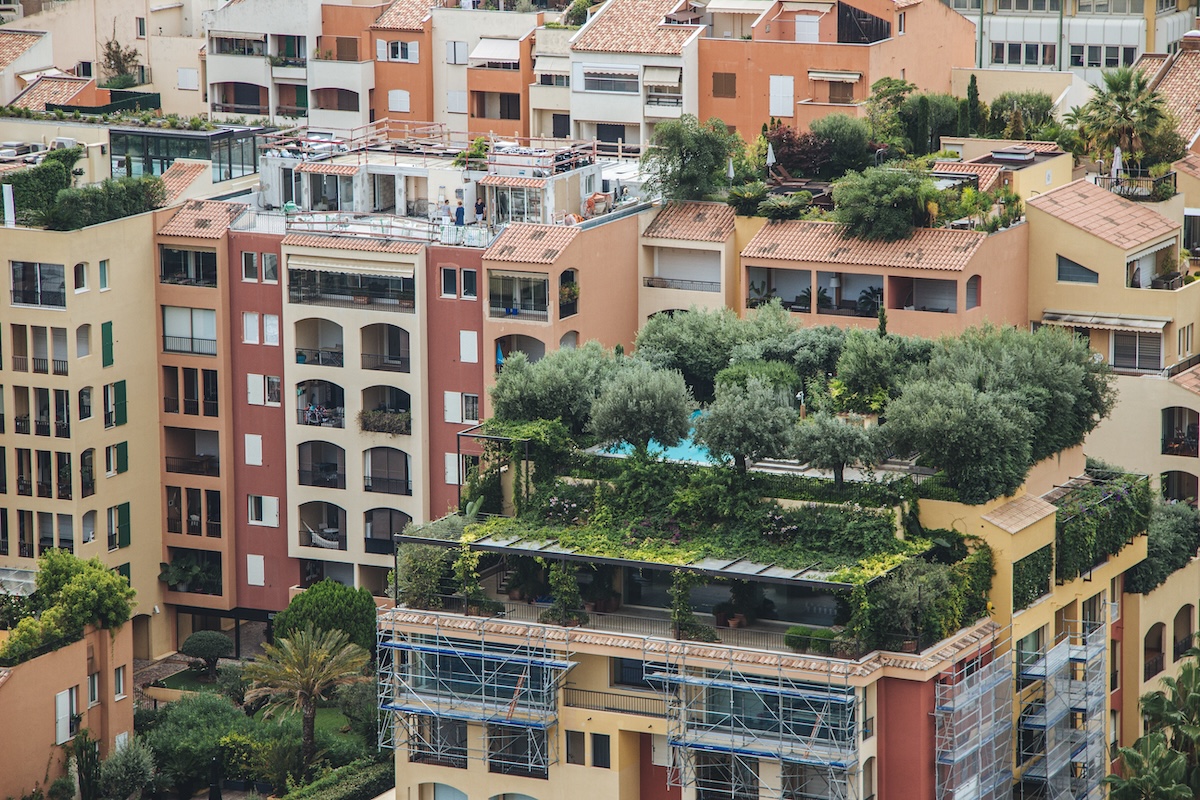
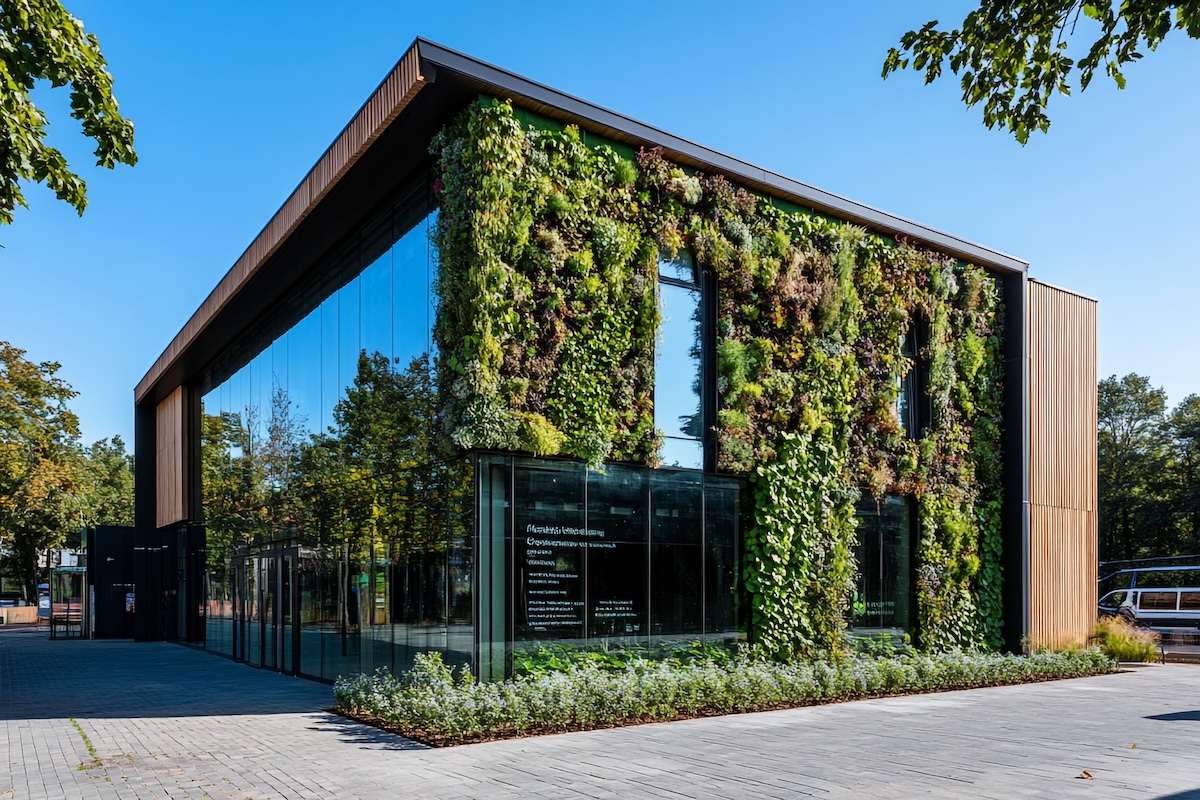
The use of storeys, especially with flowers, is one of the most successful strategies for bringing the experience of nature to the built environment. It should be noted that abundant vegetation must be used to achieve this effect, not single or isolated plants.
Positive contact with the Animal life can be achieved through design strategies such as feeders, green roofs, gardens or others.
The perception and contact with the weather is achieved through direct exposure to outdoor conditions, for which purpose you can incorporate views to the outside, windows that can be opened, porches, terraces, balconies, colonnades, gardens, among others.
The self-sustainable ecosystems in the built environment can be achieved through design strategies such as built wetlands, forest glades and grasslands, green roofs, simulated aquatic environments and others.
The natural materials Highlights for building and decorating include wood, stone, wool, cotton and leather.
The incorporation of naturalistic shapes and shapes instead of straight lines, biophilic design is characteristic.


Most average offices don't have windows and lack sensory input, negatively affecting the well-being of their occupants.

Offices with natural lighting, natural materials and vegetation have been found to contribute to increased productivity, improved well-being and reduced absenteeism.

Source: “The Practice of Biophilic Design” by Stephen R. Kellert
Leaf Global. Copyright © 2026. All rights reserved.