He leads projects and consulting services under LEED, EDGE, and FITWEL standards, integrating facade optimization strategies, life cycle assessments, and energy modeling to develop high-performance buildings.

In the constant search for solutions that promote sustainable development, the BREEAM certification has emerged as a benchmark in the construction and operation of buildings. In this blog, we will explore what the BREEAM certificate is and how it has been implemented in the context of housing in Latin America, highlighting its importance for the preservation of the environment and the well-being of communities.
BREEAM, what does it mean “Building Research Establishment Environmental Assessment Method”, is the world's leading evaluation and certification method in sustainability for buildings. It was developed in the United Kingdom in the 1990s and has expanded internationally, encompassing a holistic approach that evaluates various aspects of a building's life cycle. Evaluation criteria include management, health and well-being, energy, transport, water, materials, waste, land use and innovation.
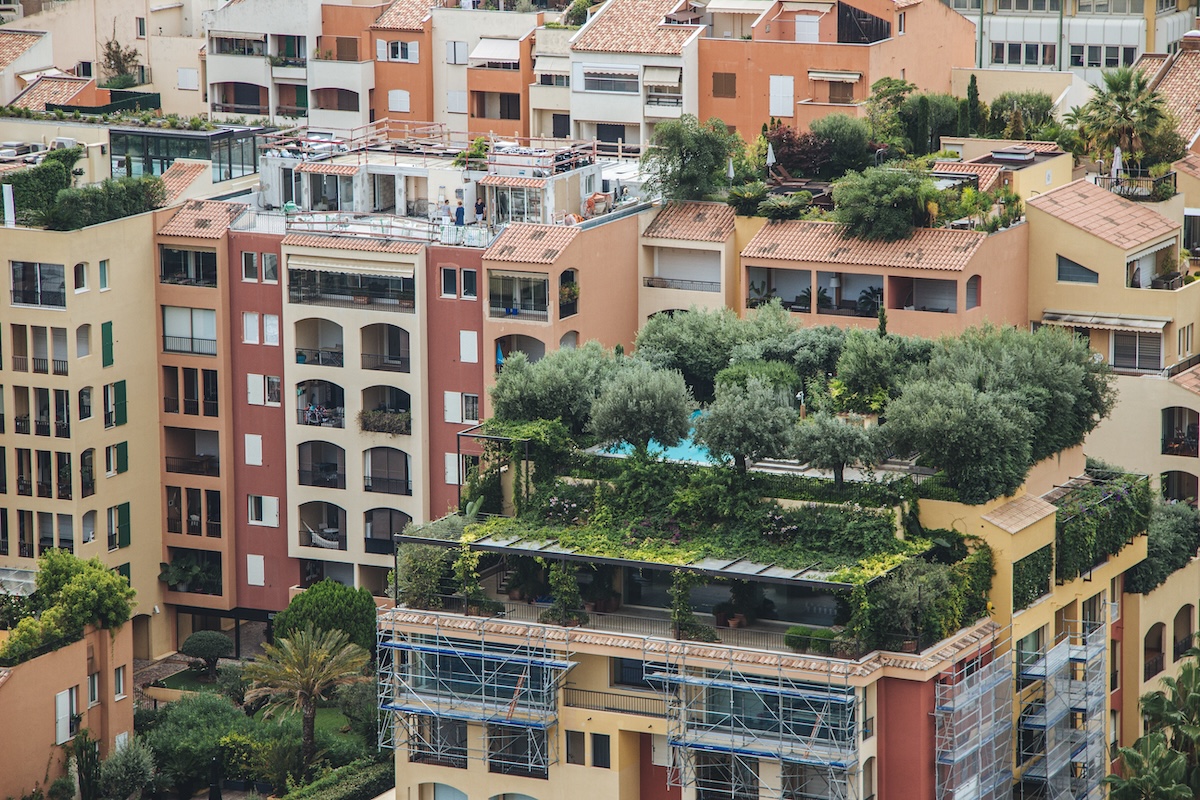
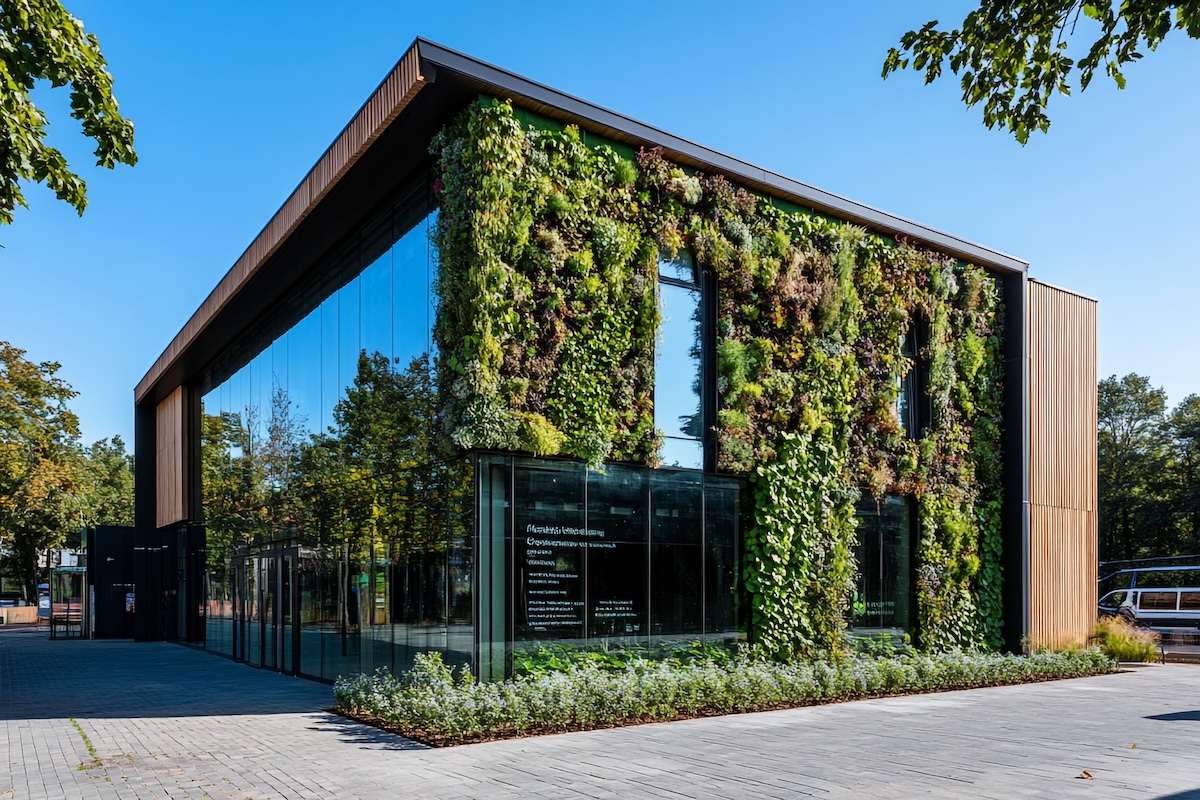
The implementation of the BREEAM certificate in housing offers a wide range of benefits for both residents and the environment. Some of these benefits include:
All certifications share the fact that they are voluntary and seek a transition to a more sustainable urban planning. There is no higher or lower certification, since your choice will depend on the type of project you want to undertake.
The main differences are that to obtain the BREEAM certificate, it is essential to have an accredited advisor. In addition, the lowest level of BREEAM certification is achieved by meeting 30% of the requirements, while to obtain the lowest level of LEED certification, it is necessary to meet 40% of the requirements.

If you want advice on certifications for sustainable buildings, contact us here.
Leaf Global. Copyright © 2026. All rights reserved.