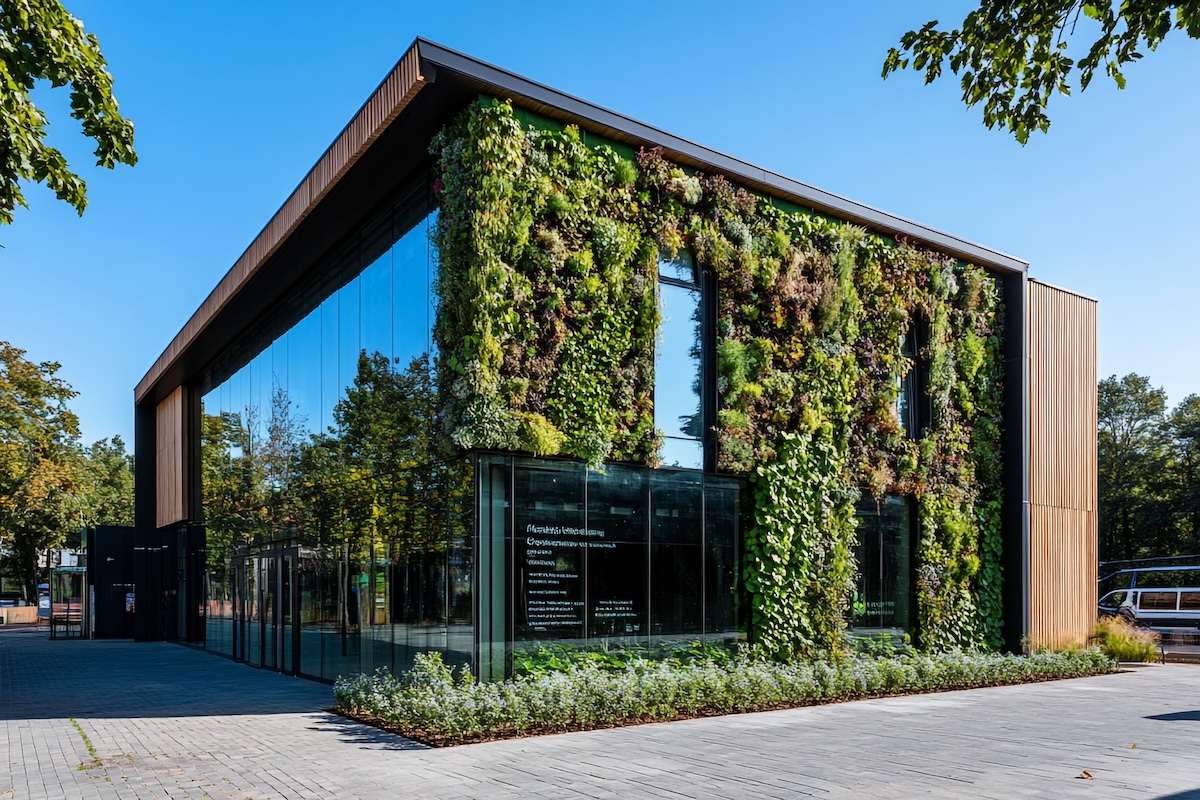
Sustainable architecture seeks not only to design beautiful and functional spaces, but also to reduce their environmental footprint. One of the fundamental pillars for achieving this objective is energy accounting. In this article, we'll explore in detail what energy accounting is and how it can benefit companies looking to embrace sustainable architecture.
What is energy accounting?
It refers to the practice of measuring, analyzing and managing energy consumption in a building or industrial process. Its main objective is to identify opportunities to improve energy efficiency and reduce environmental impact, while reducing operating costs related to energy and utilities. For sustainable architecture, energy accounting becomes an essential tool for designing and operating buildings in a more efficient and ecological way.
Benefits of Energy Accounting for a Company
- Reducing Operating Costs for Energy and Utilities: One of the most obvious benefits of energy accounting is the reduction of operating costs. By identifying areas of high energy consumption and taking steps to optimize them, companies can save significantly on their energy and utility bills.
- Improving Energy Efficiency: Energy accounting provides detailed information about how energy is used in a building or process. This makes it possible to identify inefficiencies and take measures to improve energy efficiency, such as updating heating, ventilation and air conditioning (HVAC) systems, installing efficient lighting or optimizing production processes.
- Compliance with Environmental Regulations: In many parts of the world, there are increasingly strict environmental regulations. Energy accounting helps companies comply with these regulations by monitoring and controlling greenhouse gas emissions and the use of renewable energy, among other aspects.
- Access to Efficiency Tax Incentives or Benefits: By adopting energy accounting practices and improving energy efficiency, companies may be eligible for tax incentives and government benefits. These incentives can help amortize the costs of investing in energy improvements.
- Informed Decision Making: Energy accounting provides accurate, quantitative data that supports informed decision-making. Managers can evaluate the energy performance of their buildings and processes and make strategic decisions based on concrete data.
- Reputation as a Sustainable Company: Increasingly, consumers value companies that adopt sustainable practices. Energy accounting and improving energy efficiency can help a company build a strong reputation as an organization committed to environmental sustainability.
How to Implement an Effective Energy Accounting System?
Implementing an effective energy accounting system requires several key steps:
- Data Collection: Gather accurate data about energy consumption in your facilities, including electricity, fuels, natural gas, vehicles, and others.
- Identifying Data Sources: Determine relevant data sources, such as energy meters, fuel records, and utility bills. Integrate automatic measurement systems if possible.
- Data Analysis: Use specialized software tools to analyze data and detect energy consumption patterns.
- Setting Goals and Objectives: Define clear goals to improve energy efficiency and reduce consumption.
- Implementation of Energy Efficiency Measures: Develop a plan to implement energy efficiency measures, such as equipment and system upgrades, installation of renewable energy, and changes to production processes.
- Continuous Monitoring: Implement an ongoing monitoring system to evaluate progress toward goals and make adjustments as needed.
- Report and Communication: Communicate energy accounting results to all stakeholders and highlight sustainability achievements.
Main Data Sources for Energy Accounting
To carry out effective energy accounting, it's crucial to use a variety of data sources, including:
- Electricity consumption.
- Use of fuels in boilers and generators.
- Natural gas consumption.
- Fuels used by the vehicle fleet.
- Energy incorporated into raw materials and supplies.
- Greenhouse gas emission factors.
- Energy service rates.
- Type of lighting and equipment power.
- Use of renewable energy.
- Weather data and degrees of heating/cooling per day by geographical location.
- Specific characteristics of buildings.
- Diagrams of production processes and energy use.
In short, energy accounting plays an essential role in the search for sustainable architecture. It provides companies with the tools needed to reduce costs, comply with environmental regulations, improve efficiency and build a reputation for sustainability. The successful implementation of an energy accounting system requires the collection of accurate data and the commitment of the entire organization in the search for energy efficiency and environmental sustainability.