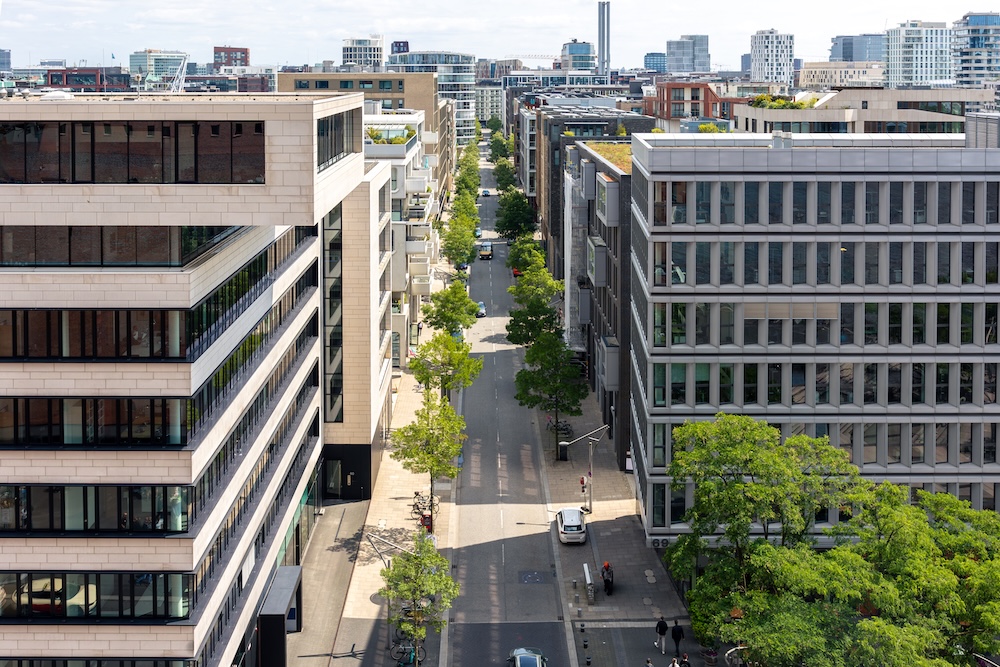
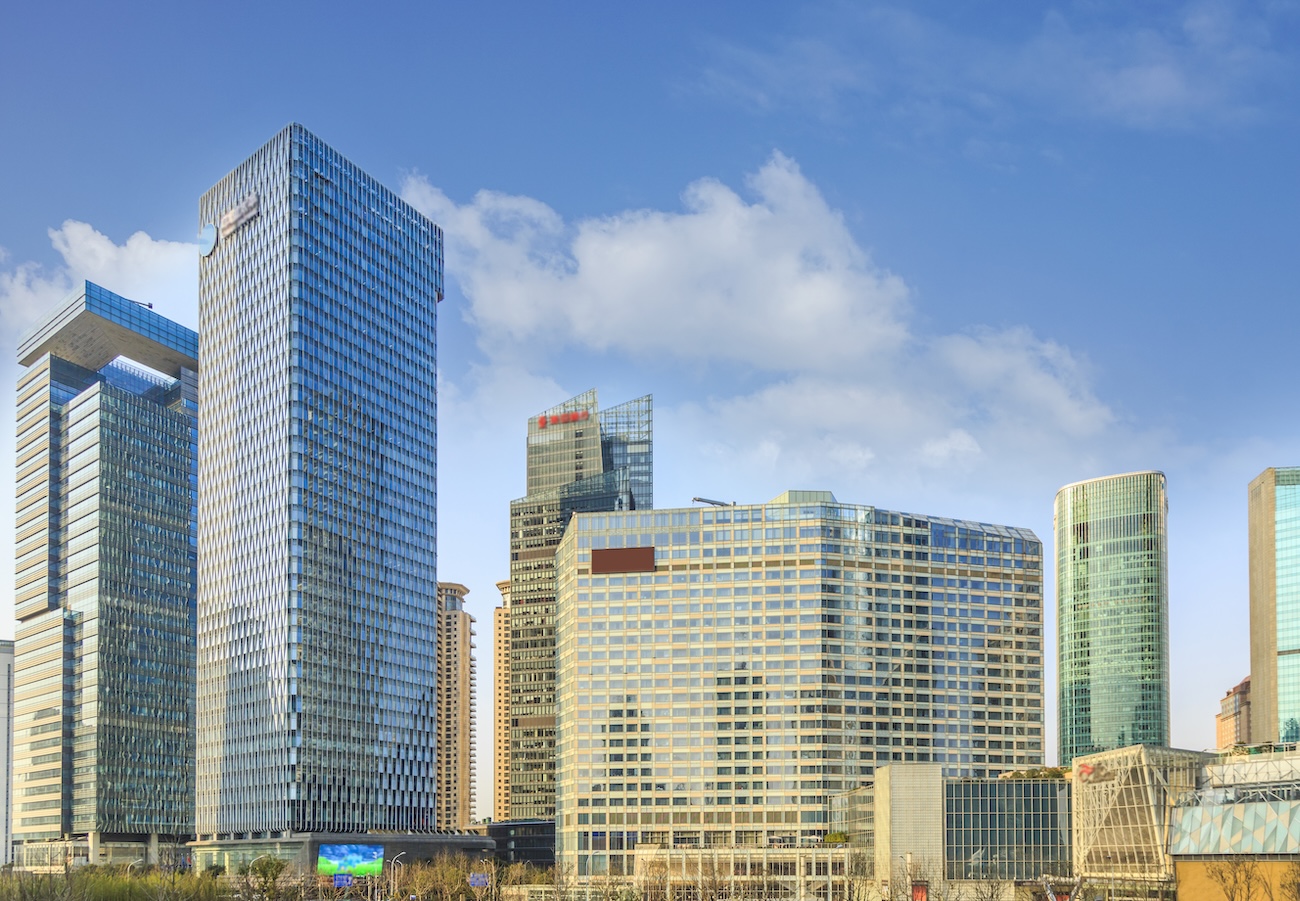
Urban areas need energy for transportation, industrial and commercial activities, buildings and infrastructure, water distribution, and food production. These activities, which represent more than 75% of GDP, consume close to the 75% of global primary energy and they emit between the 50 and 60 percent of the world's greenhouse gases. (United Nations on Housing and Sustainable Urban Development, 2021)
Rapid urbanization has created problems such as social inequality, traffic congestion, water pollution and health problems. For this reason, a few years ago, several countries and cities began the transition so that in the 2050 there is a place that facilitates social cohesion, security and sustainability. That's why in the world there are smart cities, sustainable cities and cities with a little bit of both characteristics.
Next, we will explain what exactly each of them consists of and how they can be complemented for better results.
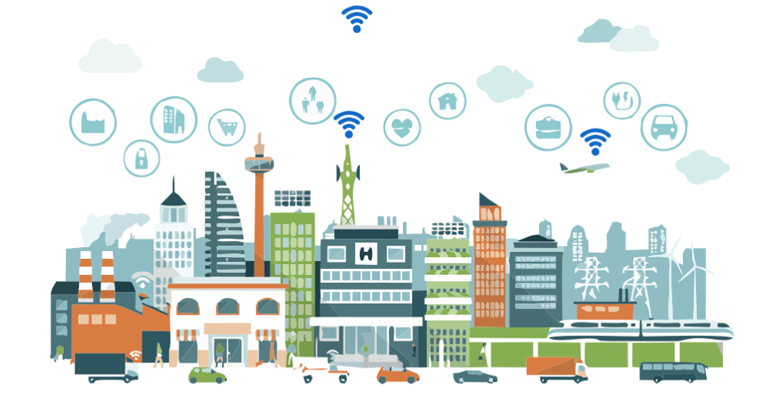
A smart city or”Smart City” is a city that, through technology, collects data to provide traditional services and resolve urban situations. It could be said that among its main objectives are: improve the efficiency of their policies, minimize their waste and hassle, promote social and economic quality and maximize social inclusion.
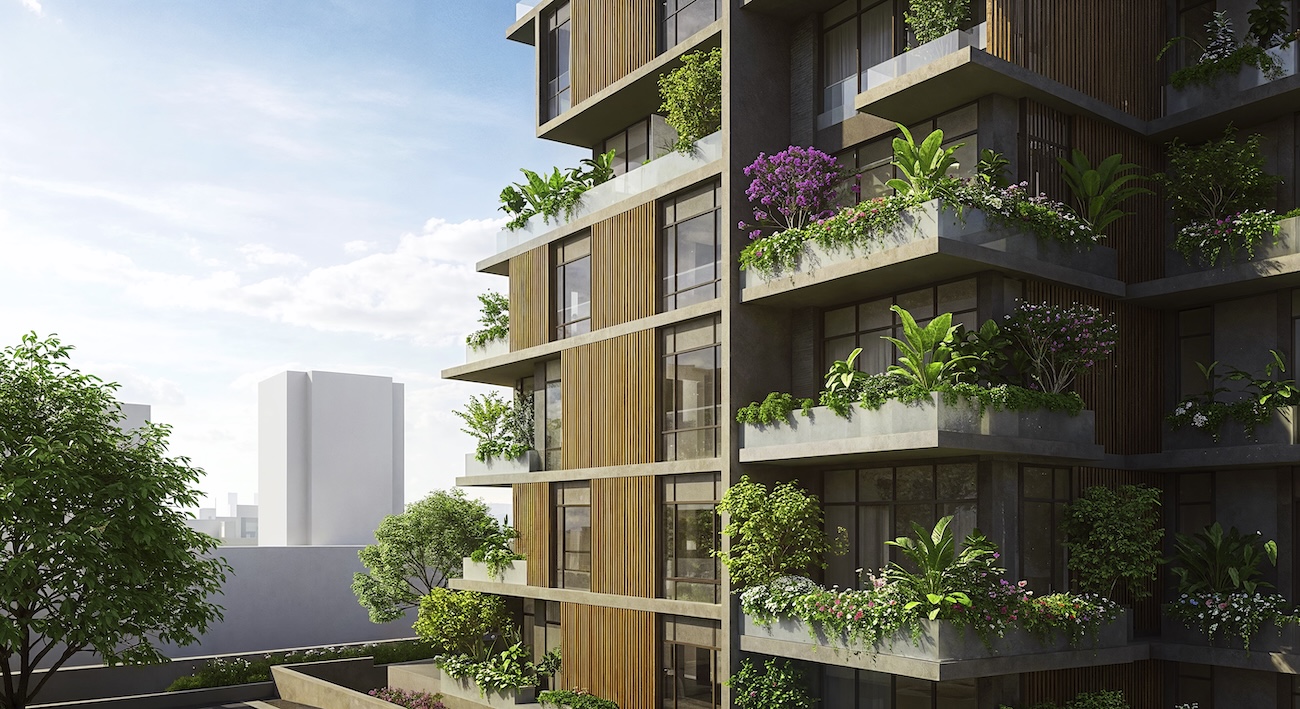
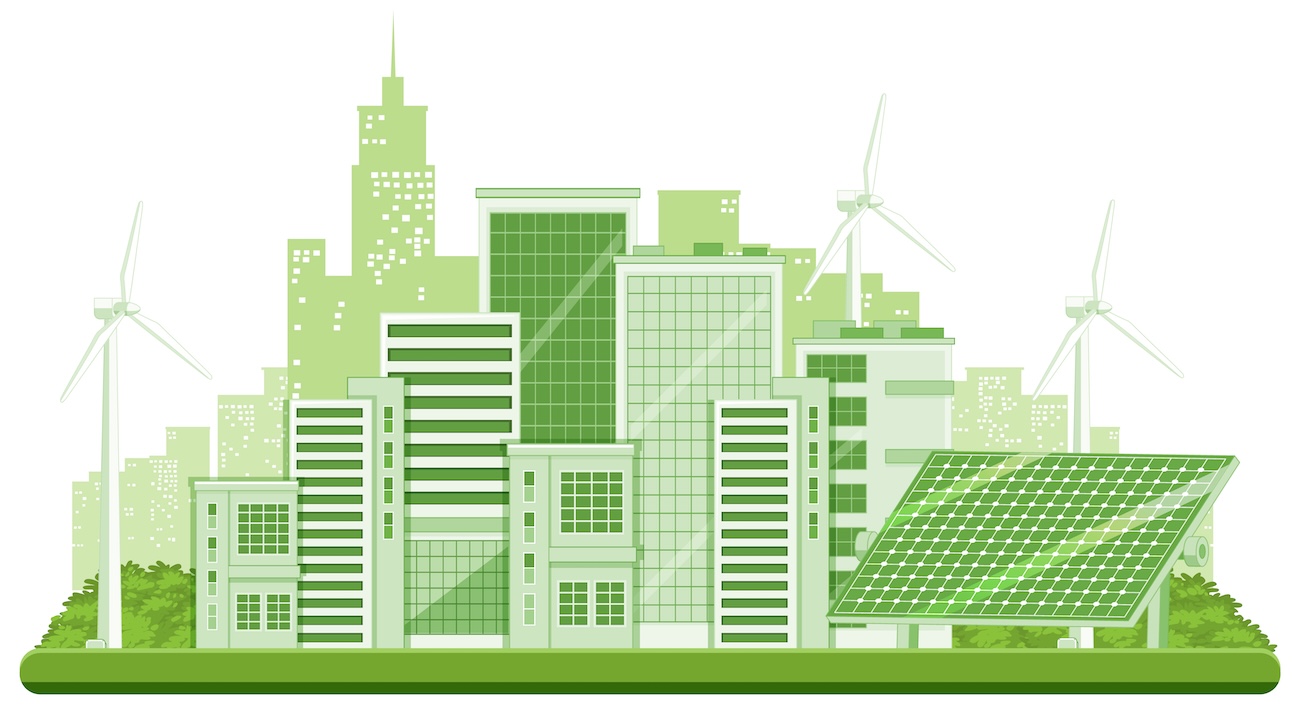
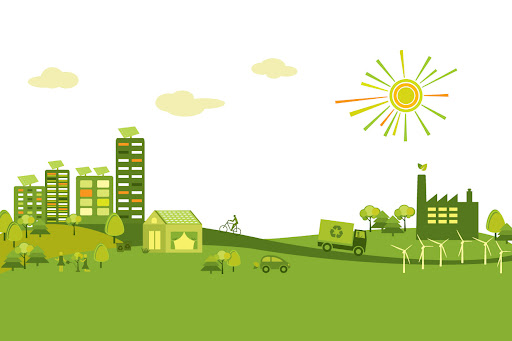
A sustainable city It is the one that offers quality of life to its inhabitants without risking resources, since it ensures the well-being of future humanity and seeks social justice. For example: It gives priority to pedestrians by building more bike paths, generates the consumption of renewable energy with a solar panel plant or has more square meters of green areas per person, among other options.
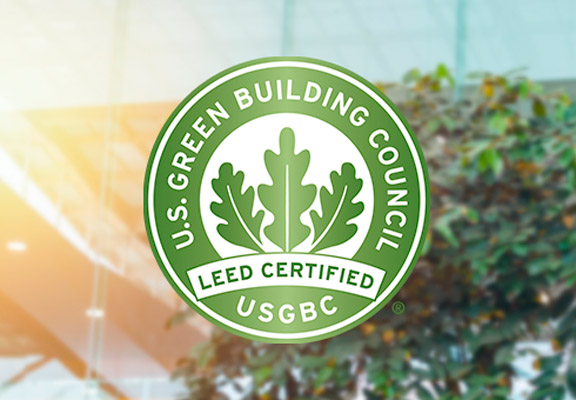
Source: LEED Business Case in Latin America
As read above, it is known that data collected through technology allows us to measure what and how resources are used in a city. However, if action is not taken towards a sustainable vision, the city is only classified as a smart city.
As Peter Drucker once said: “What cannot be measured cannot be controlled; what cannot be controlled cannot be managed; what cannot be managed cannot be improved.” That's why the future of sustainable urban development needs artificial intelligence.
If you found the article interesting, share it on your social networks.
Leaf Global. Copyright © 2026. All rights reserved.