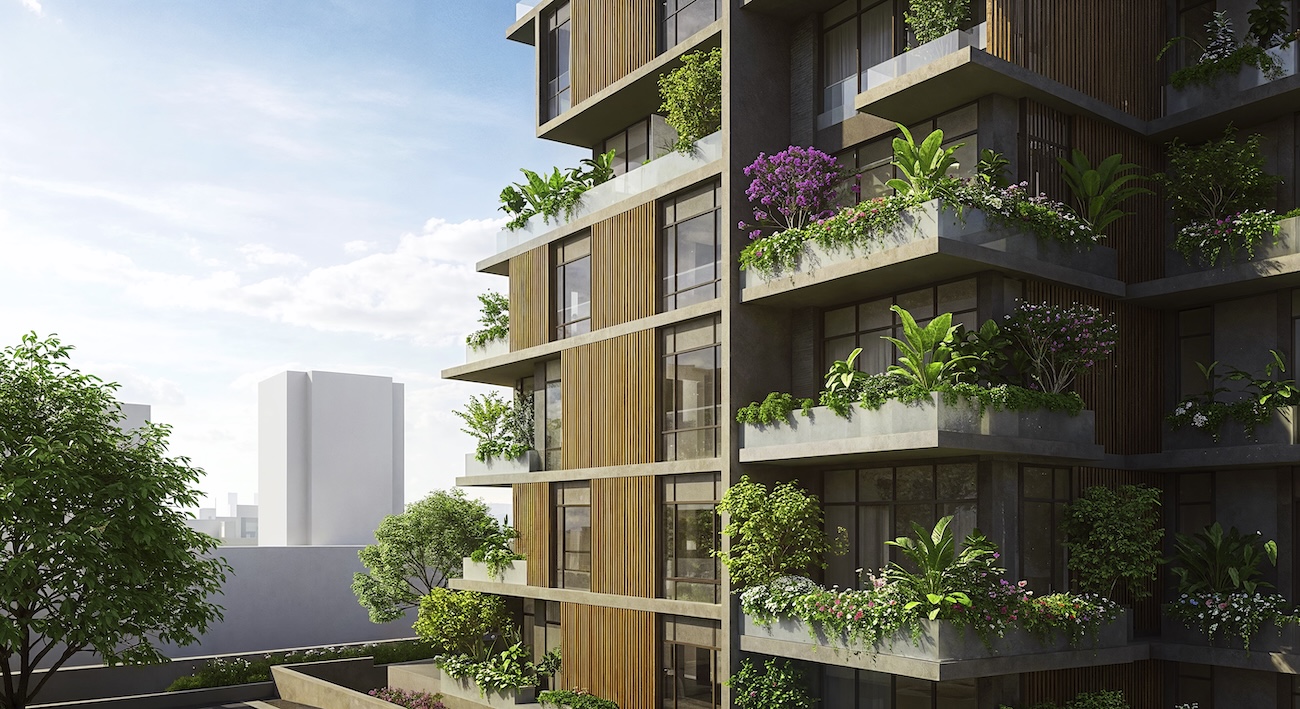
The construction of sustainable buildings is increasingly important to comply with the Paris Agreement on climate change and ODS, which seek to reduce greenhouse gas emissions. Therefore, building sustainable buildings involves improving the energy efficiency of buildings.
To build a sustainable building, you must first understand and follow local and national legislation and regulations. In addition to understanding at a macro level the requirements and prerequisites of the certification that most aligns with your project. This will help determine the appropriate materials and equipment for use in construction. Finally, equipment and materials must be put in place to ensure that everything considered in the design has been correctly placed.
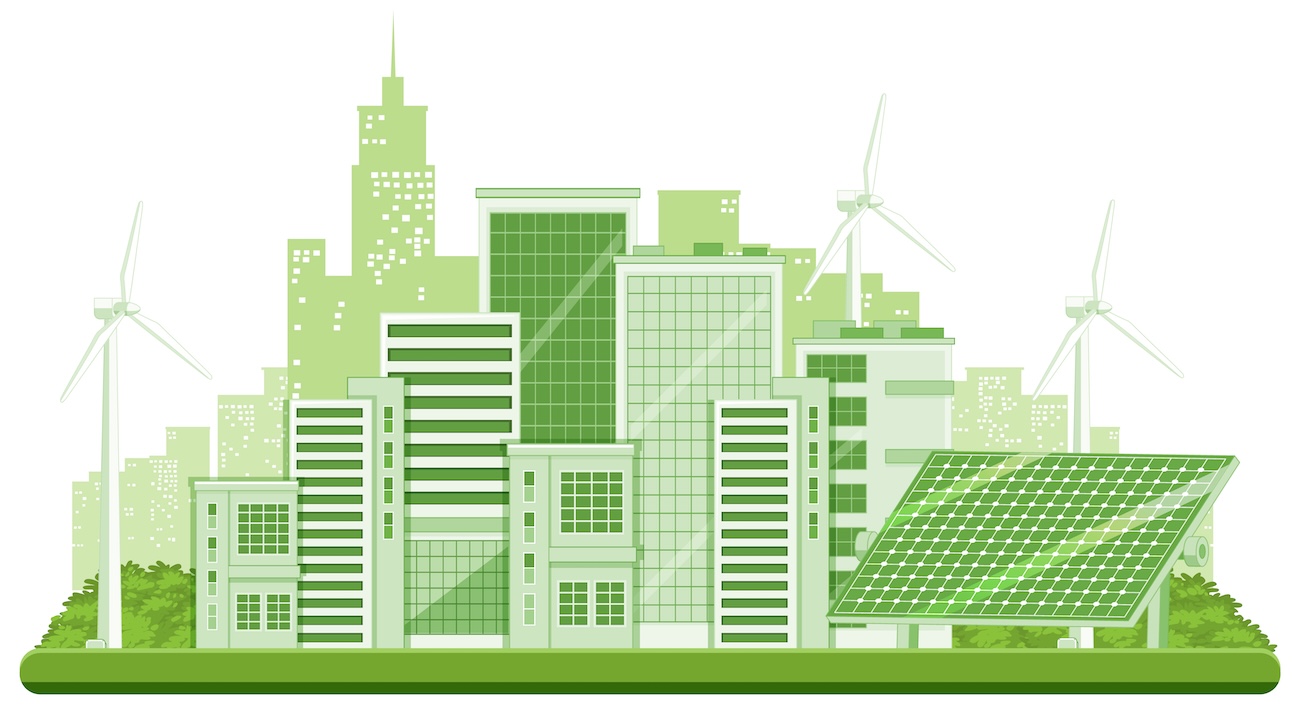
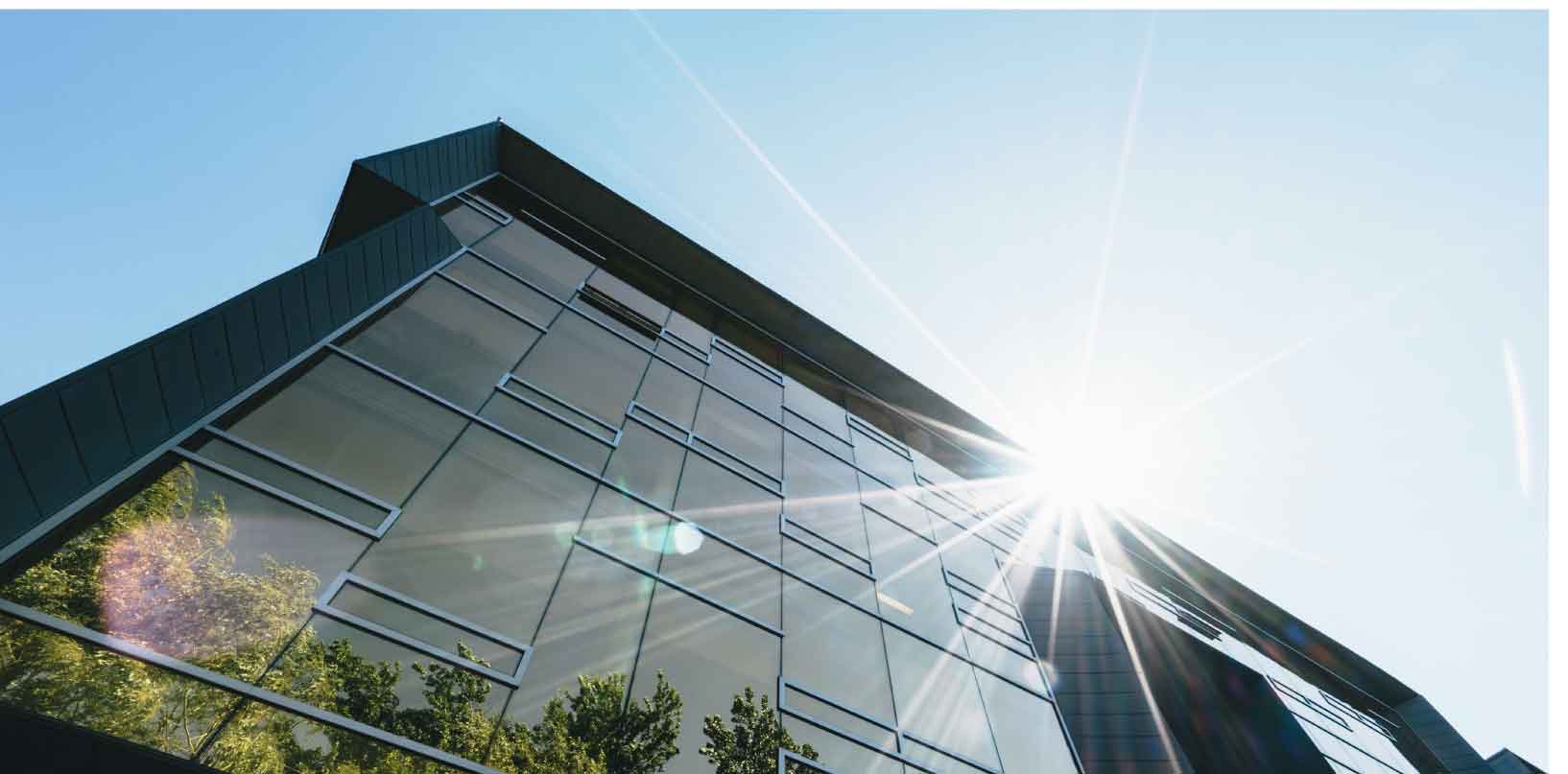
To achieve greater energy efficiency, it is important that a building design be efficient from the start, including the selection of insulating materials, good performance glass and efficient ventilation equipment. In addition, energy saving systems should be taken into account, such as the use of solar panels, heat pumps, geothermal heating and cooling systems and LED lighting systems.
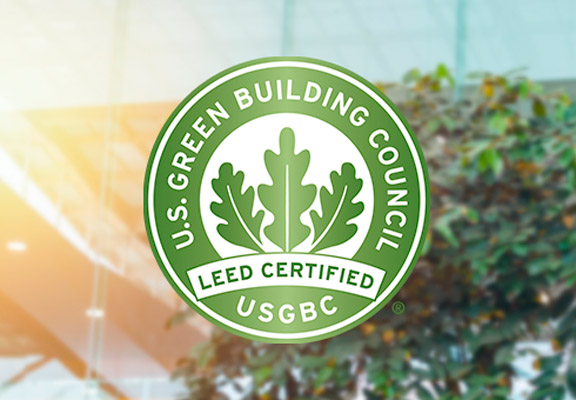
Sustainable certifications such as LEED or EDGE they will ask to ensure that your green building must have good ventilation to provide the clean air that the occupants need. This can be achieved by installing windows and doors that allow adequate air circulation. In addition, it is important to choose building materials that do not emit harmful substances.
Finally, sustainable buildings must have a good water management system. This includes the use of rainwater collection systems, water treatment systems, water reuse, and the use of energy saving faucets.
It must be taken into account from the design phase to be efficient in energy, water and indoor environment. Therefore, it would be good to have an expert or an expert consultancy accompany you throughout the process to incur lower cost overruns.
If you are looking to quote a consultant in bioconstruction, contact us here
Leaf Global. Copyright © 2026. All rights reserved.