He leads projects and consulting services under LEED, EDGE, and FITWEL standards, integrating facade optimization strategies, life cycle assessments, and energy modeling to develop high-performance buildings.
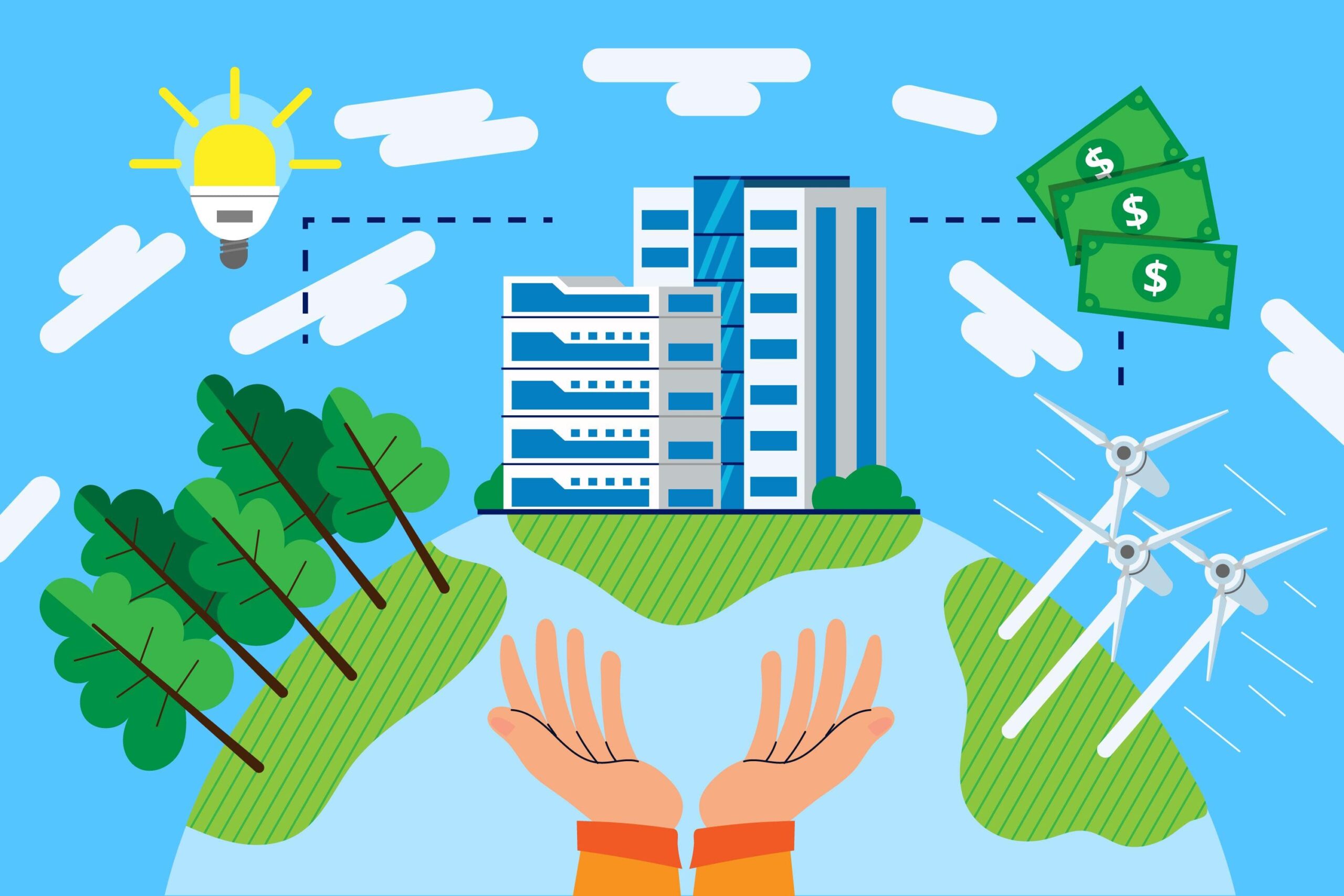
Reduce the energy consumption in existing buildings it is not only a strategy to reduce operating costs, but also a key action against climate change. Today, property managers, landlords and businesses in the sustainable construction they seek to optimize the efficiency of their buildings without the need for major works or investments.
In this article, we will explore practical, sustainable and cost-effective solutions to improve the energy efficiency of buildings already built, supported by the responsible use of energy, renewables and the optimization of electrical and air conditioning systems.
The energy consumption buildings account for more than 30% of global electricity demand, according to the International Energy Agency. In many cases, energy losses stem from poor resource management, lack of insulation, obsolete systems or inefficient use of electric energy.
Reducing energy expenditure involves analyzing three key aspects:
The objective is achieve a balance between comfort, savings and respect for the environment, transforming usage habits and improving existing systems.
Incorporate renewables in existing buildings it no longer requires a total transformation of the infrastructure. There are modular technologies that can be easily adapted, such as:
These solutions reduce dependence on fossil fuels, help mitigate emissions of carbon dioxide and contribute to the fulfillment of the sustainability objectives of the European Union and from international organizations.
Improve the energy efficiency does not always involve costly reforms. Small actions can generate significant savings in energy consumption of offices, commercial buildings or homes:
Solar energy has become one of the most cost-effective and sustainable options for reducing energy consumption without major reforms.
Its implementation offers advantages such as:
For example, many dwellings and corporate buildings in Latin America are already taking advantage of Renewable energy to power part of your lighting, air conditioning or water heating systems.
The systems of Air conditioner can represent up to 50% of the total energy consumption in a building. Therefore, optimizing them is essential:
These measures not only reduce the electricity consumption, but they also extend the lifespan of equipment and improve indoor air quality.
The reduction of energy consumption in existing buildings it has a direct impact on the fight against climate change.
Every kilowatt-hour saved reduces the emission of greenhouse gases and contributes to the conservation of natural resources.
In addition, adopt practices of energy efficiency demonstrates the commitment of companies and owners to environment, aligning with global sustainability standards and generating a positive impact on the community.
Optimize the energy efficiency in existing buildings it does not require a complete reconstruction.
Through simple actions, the use of renewables and intelligent management of the electric energy, it is possible to significantly reduce consumption and contribute to a more sustainable future.
Small changes in lighting, air conditioning and insulation can have a big impact on energy savings, the economy and the well-being of users — an essential step towards a responsible construction that respects the planet.
Leaf Global. Copyright © 2026. All rights reserved.