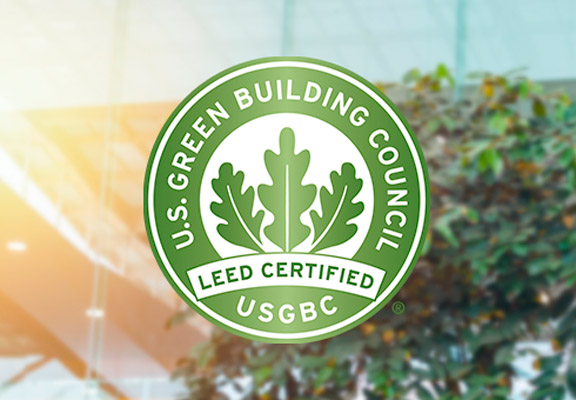
The certification LEED (Leadership in Energy and Environmental Design) is a green building evaluation and certification system developed by the United States Green Building Council (USGBC, for its acronym in English). This system measures the sustainability and environmental impact of buildings in several areas, including energy efficiency, the use of sustainable materials, indoor air quality and water management.
The official Viviana Valdivieso, who serves as director of the Colombian Council for Sustainable Construction (CCCS), highlighted the performance achieved by Latin America and the Caribbean in terms of LEED certification. Valdivieso reported that 39 countries in the region have developed a total of 5,964 LEED projects, which cover an area of 46.5 million square meters.
The majority of these initiatives are located in 18 Latin American countries, including Brazil (with 1,465 buildings) and Mexico (with 1,837) regional market leaders. Fourthly, there is Colombia, with 503 projects, behind Chile, which has 527 registered initiatives.
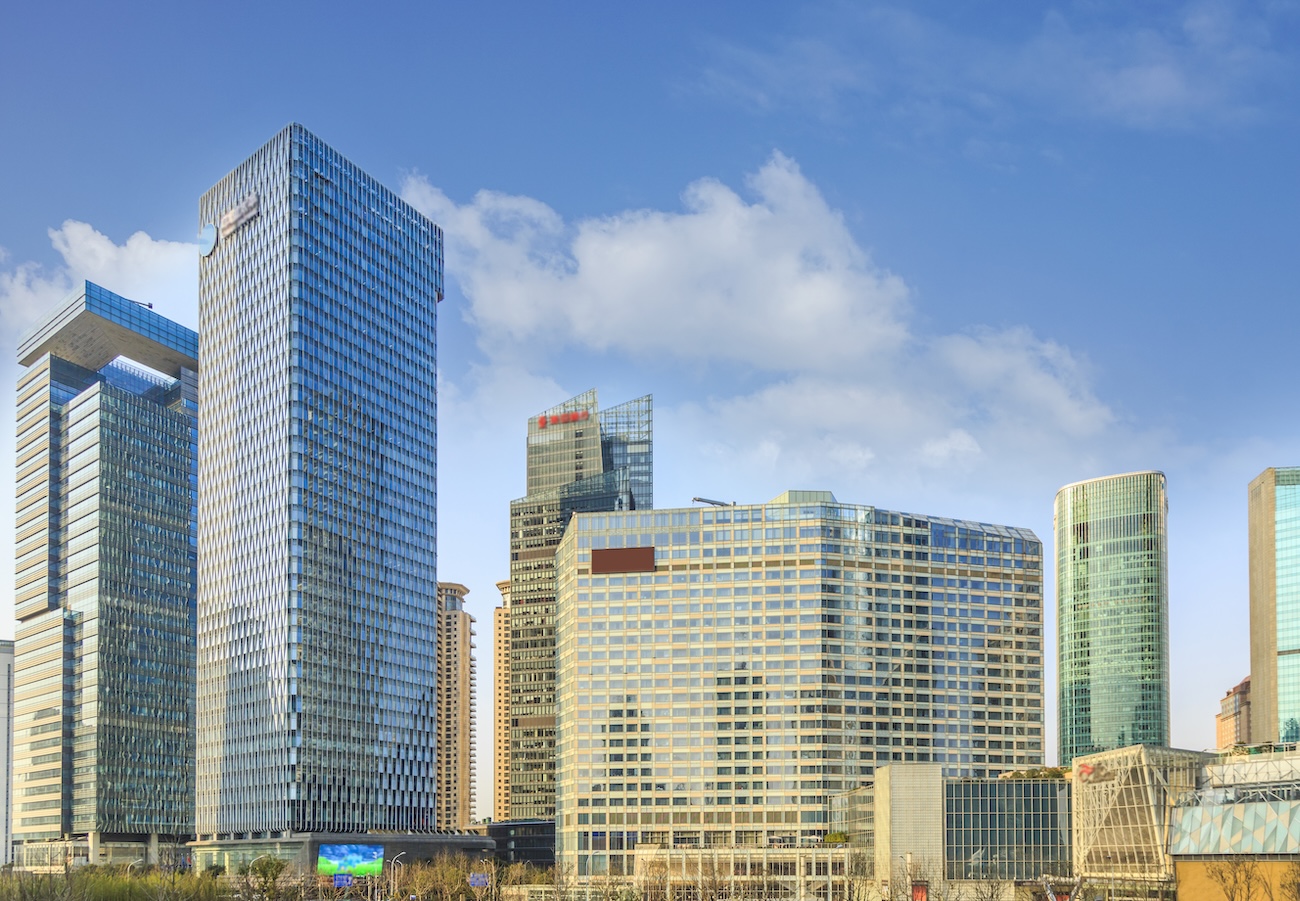
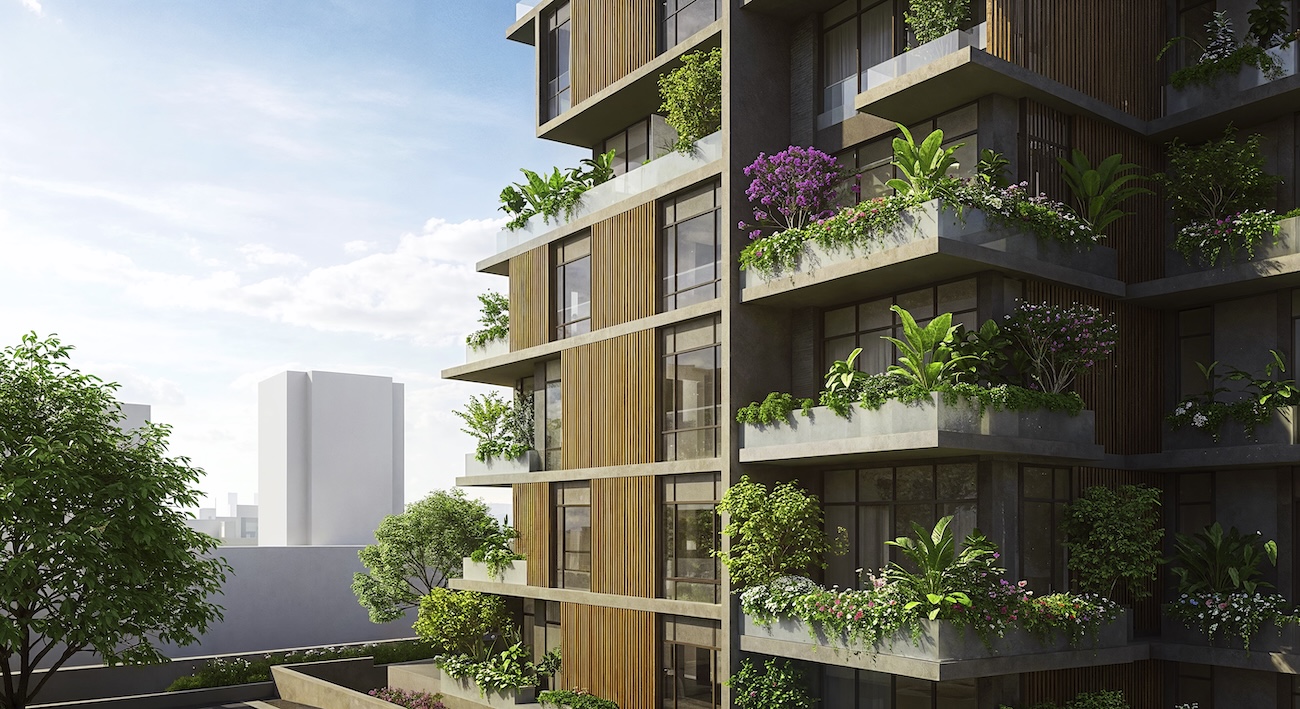
Below is a list of some of the LEED-certified buildings in the Colombian cities of Bogotá and Medellín.
We expect to see more LEED-certified buildings in the future, as this will help reduce the environmental impact of construction and create a more sustainable future for all.
If you want to know our impact with LEED certified buildings in Latin America, Enter here.
You may also be interested in:
Leaf Global. Copyright © 2026. All rights reserved.