He leads projects and consulting services under LEED, EDGE, and FITWEL standards, integrating facade optimization strategies, life cycle assessments, and energy modeling to develop high-performance buildings.
Sustainable certifications in Mexico are gaining prominence as a key tool for companies and projects that seek to demonstrate their environmental, social and governance commitment. They are no longer limited to construction alone, but encompass complete processes, operations, products and business models.
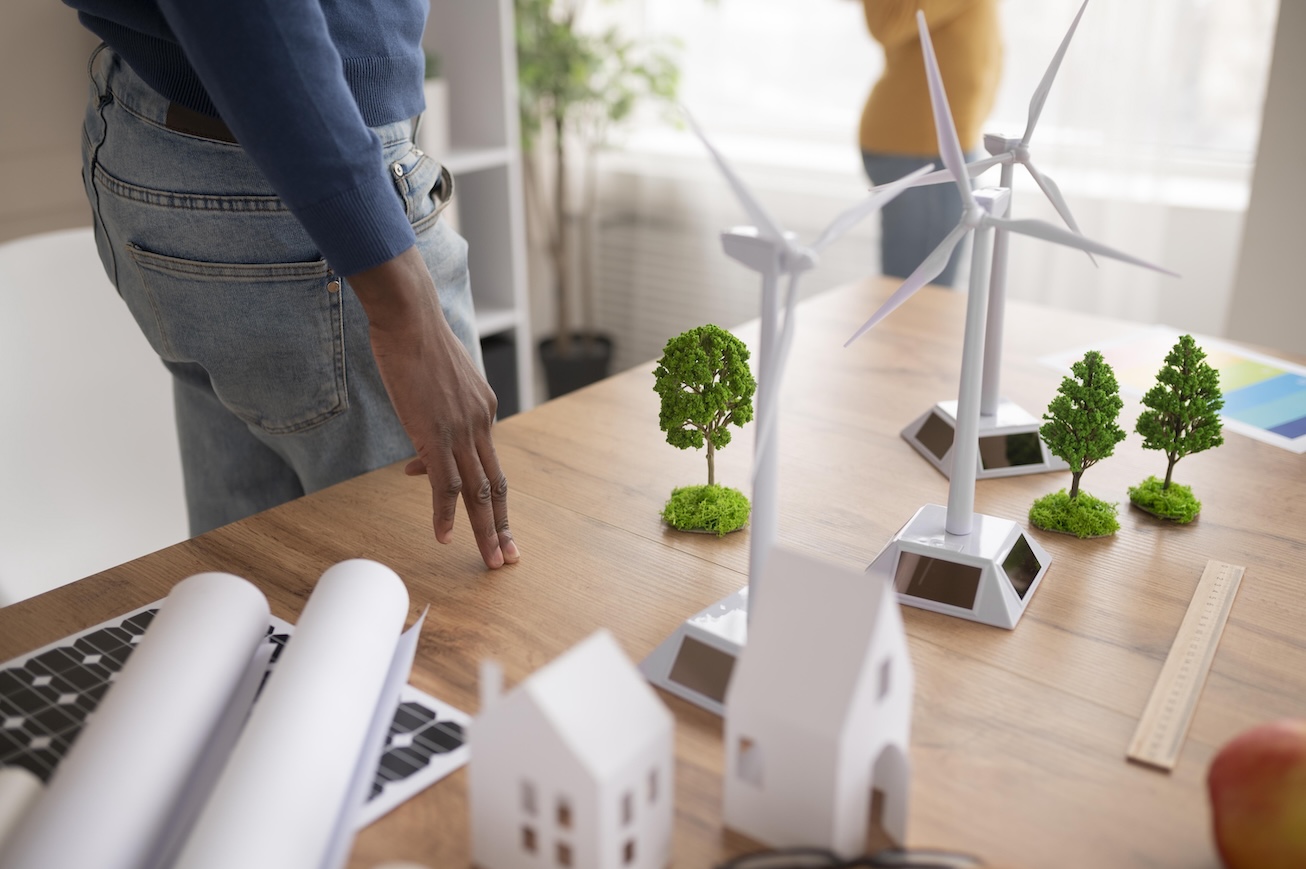
Sustainable certifications in Mexico have evolved from being a differentiator to becoming a strategic standard for the development of buildings, real estate projects and firms who seek to reduce their environmental impact, improve your energy efficiency, strengthen your repute and generate worth in the long term.
In this context, certifications such as LEED, EDGE, Fitwel and WELL are positioned as the most important in the country, aligned with the challenges of climate change, the reduction of emissions, the optimization of resources and the well-being of users.
Sustainable certifications are systems that evaluate and validate the environmental, energy and social performance of buildings and organizations, under criteria, standards and processes of auditing recognized at the international level.
In Mexico, its adoption has grown, driven by:
LEED (Leadership in Energy and Environmental Design) It is the most recognized environmental certification in the world and one of the most implemented in Mexico per sustainable buildings.
Evaluate project performance in key areas such as:
LEED makes it possible to certify buildings at different stages: design, construction, operation and renovation, which makes it a flexible certification applicable to multiple types of projects.
LEED projects in Mexico stand out for:
EDGE (Excellence in Design for Greater Efficiencies) is a certification focused on achieving measurable savings in energy, water and energy incorporated in materials.
EDGE answers the need to build efficiently, cost-effectively and with less environmental impact.
Fitwel It is a certification that prioritizes wellness, the health And the quality of life of users inside buildings.
Evaluate aspects such as:
Fitwel has become key in corporate and residential projects that seek to improve the user experience and reinforce their repute as responsible spaces.
The certification WELL goes one step further by focusing on how built spaces directly influence the physical and mental health of people.
In Mexico, WELL is a certification that is increasingly in demand by companies that seek to attract talent, increase productivity and demonstrate a strong undertaking with their collaborators.
Certifications such as LEED and EDGE allow us to measure and reduce carbon footprint, decrease emissions and mitigate the Greenhouse effect, aligning projects with global objectives of sustainability and protection of the environment.
This is especially important in a country like Mexico, where the construction has a significant impact on resource consumption.
The certifications offered by Leaf generate clear and measurable benefits:
Comprehensive certification for sustainable buildings.
Energy and resource efficiency certification.
Certification focused on wellness and health.
Advanced certification centered on people.
These certifications represent the present and future of sustainable development in Mexico.
Las sustainable certifications in Mexico they are no longer just a good practice, but a value strategy. LEED, EDGE, Fitwel and WELL allow companies and projects to position themselves as leaders, reduce their environmental impact and improve people's lives.
At Leaf, we accompany our clients throughout the certification process, transforming sustainability into a real and lasting competitive advantage.
Leaf Global. Copyright © 2026. All rights reserved.