Trends in Sustainability and Design
- Focus on “Zero Waste”
- The main trend is towards the creation of new paradigms in the “zero waste” objective. The joint work of scientists, researchers, designers, companies, industries, consumers and users to advance this objective stands out.
- Innovations in Materials
- Companies such as Biohm and Naifactory are developing new sustainable materials, such as biocomposite material Orb created from the skins of oranges and coffee beans, and the material Reolivar made from olive bones.
- Urban Planning with an Autonomous Spirit
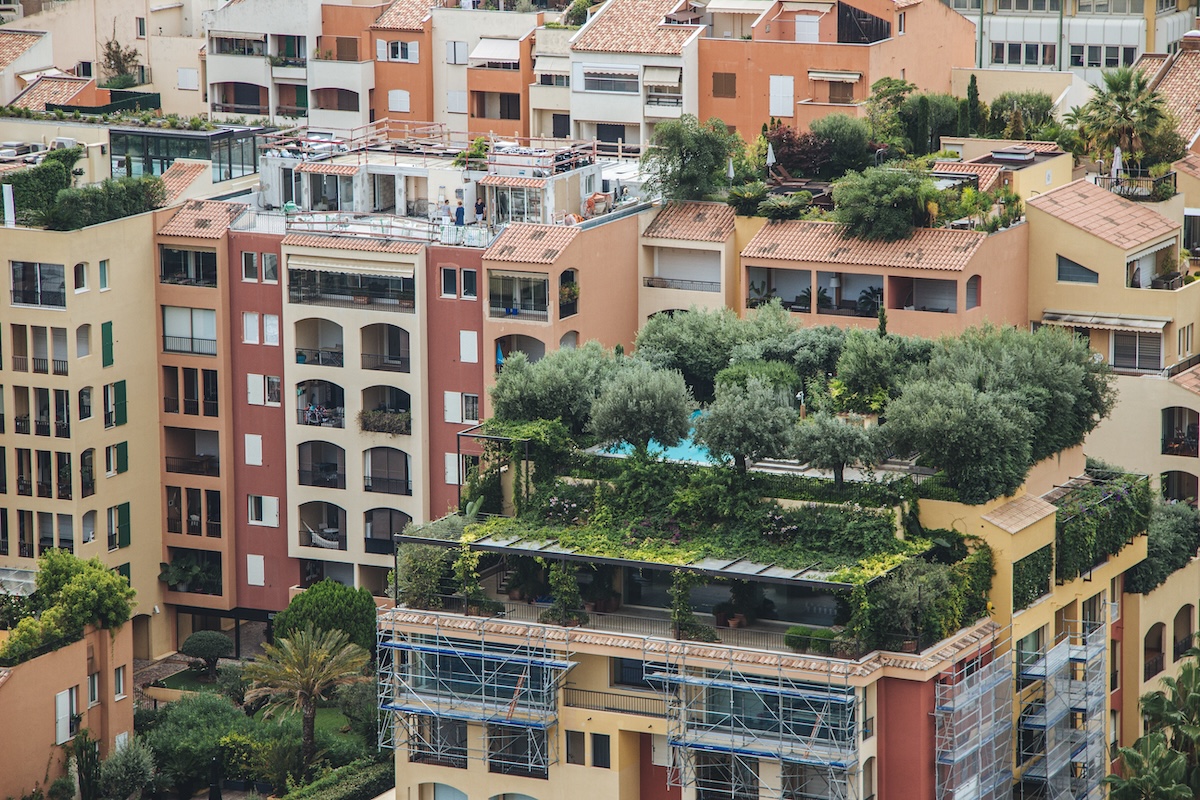
- A trend is anticipated towards urban planning that facilitates a more agile, autonomous and sustainable lifestyle, with a focus on microliving and multipurpose spaces.
- Greentecture
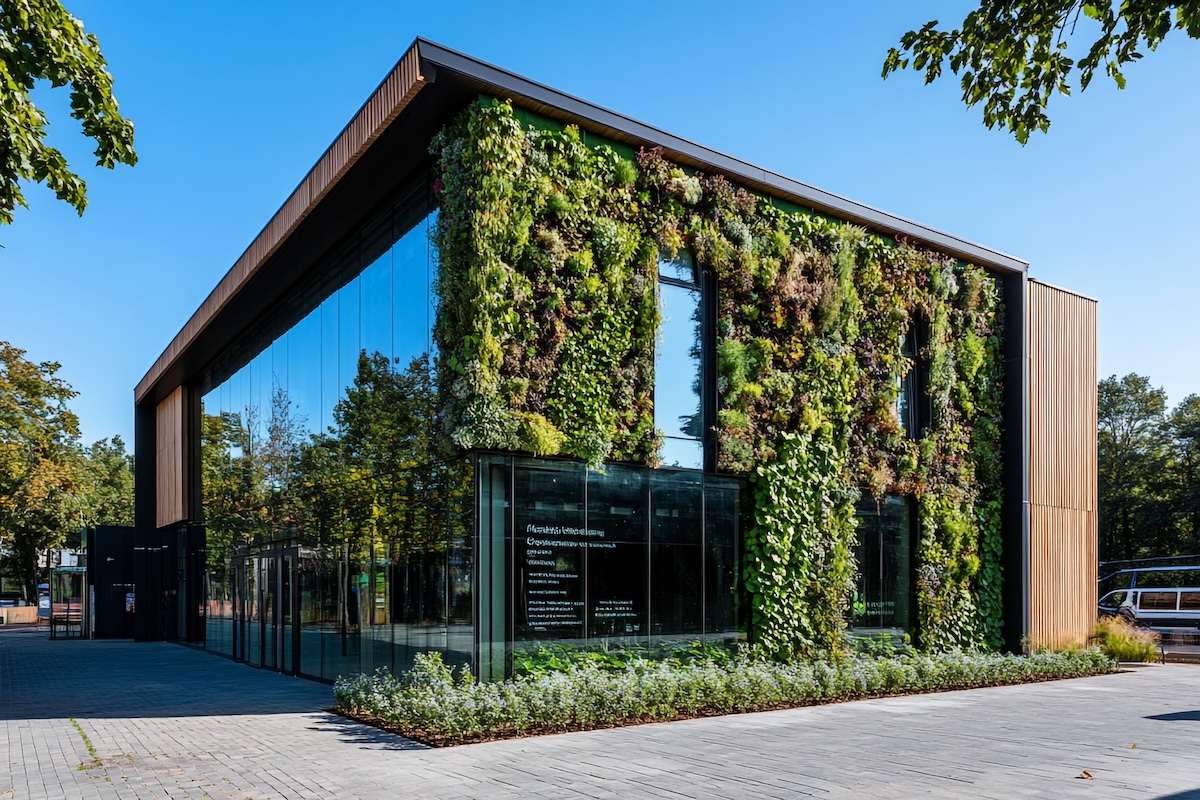
- Greentecture is mentioned as an architecture based on bioclimatic and self-sufficiency criteria, reflected in passive houses and the use of bright and cheerful colors in interior design.
- Indoor Self-Care
- Wellbeing and self-care are highlighted as key elements in the design of spaces, considering physical, psychological, emotional, social, professional, environmental, spiritual and financial aspects.
- Respect for Nature
- Awareness of respect for the environment and nature is an important trend. Consumers are willing to invest in sustainable products and brands, thus contributing to the generation of less waste.
- Emphasis on Upcycling
- Transforming waste into products of higher quality and ecological value.
What other trends do you know?