He leads projects and consulting services under LEED, EDGE, and FITWEL standards, integrating facade optimization strategies, life cycle assessments, and energy modeling to develop high-performance buildings.
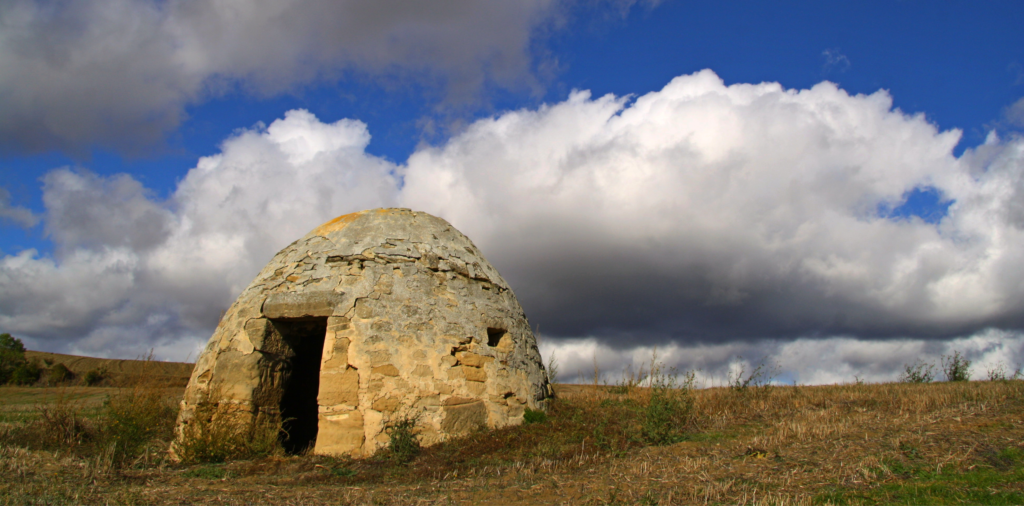
Climate and Culture Adaptation: The vernacular architecture is fully adapted to the specific climatic and cultural conditions of its location, ensuring harmony with the environment that goes beyond aesthetics. This approach includes the Biomimetics, where inspiration is sought in nature to imitate natural processes and systems, achieving complete symbiosis with the environment.
Regional Availability: The choice of materials is based on local availability. For example, in wooded regions, wood is preferred, while in areas such as North Africa, clay is preferred. This selection not only ensures easy delivery, but also promotes sustainability and reduces the ecological footprint.
Generational Transmission: Vernacular architecture is based on construction techniques transmitted from generation to generation. An example of this is the technique of Tapial, used since Roman times to build walls with moist clay soil. This connection to local traditions not only preserves identity, but also contributes to sustainability through the reuse of proven methods.
Focus on Basic Needs: Functionality is paramount in vernacular architecture. Buildings are designed to meet people's basic needs, avoiding excesses and prioritizing comfort and practicality. This simplicity not only contributes to the well-being of the inhabitants, but also minimizes the environmental impact of construction.
Energy Efficiency: Vernacular architecture seeks to maximize the use of natural resources such as sunlight, natural ventilation and protection against adverse weather. Through careful design, the energy efficiency of buildings is optimized, thus reducing dependence on external energy sources and reducing carbon emissions.
Respect for Local Identity: The aesthetics of vernacular architecture develops in harmony with the landscape and the predominant architecture of the area. This involves respecting local scale and style, preserving cultural identity. Instead of imposing external designs, vernacular architecture integrates organically and respectfully with existing aesthetics.

Source: REVALUATION OF VERNACULAR ARCHITECTURE
Leaf Global. Copyright © 2026. All rights reserved.