He leads projects and consulting services under LEED, EDGE, and FITWEL standards, integrating facade optimization strategies, life cycle assessments, and energy modeling to develop high-performance buildings.

A sustainable city is one that seeks to achieve a balance between economic, social and environmental development, promoting a better quality of life for its inhabitants, while preserving the environment and natural resources for future generations.
Among the characteristics of a sustainable city we can find:
The concept of a sustainable city is often confused with that of a smart city. While both seek to improve the quality of life of the inhabitants of a city, the Smart city focuses primarily on the use of technology to improve the efficiency and quality of urban services, such as transportation, security, waste management and energy. On the other hand, the sustainable city focuses on long-term environmental, social and economic sustainability, promoting efficiency in the use of natural resources, social inclusion and sustainable economic development.
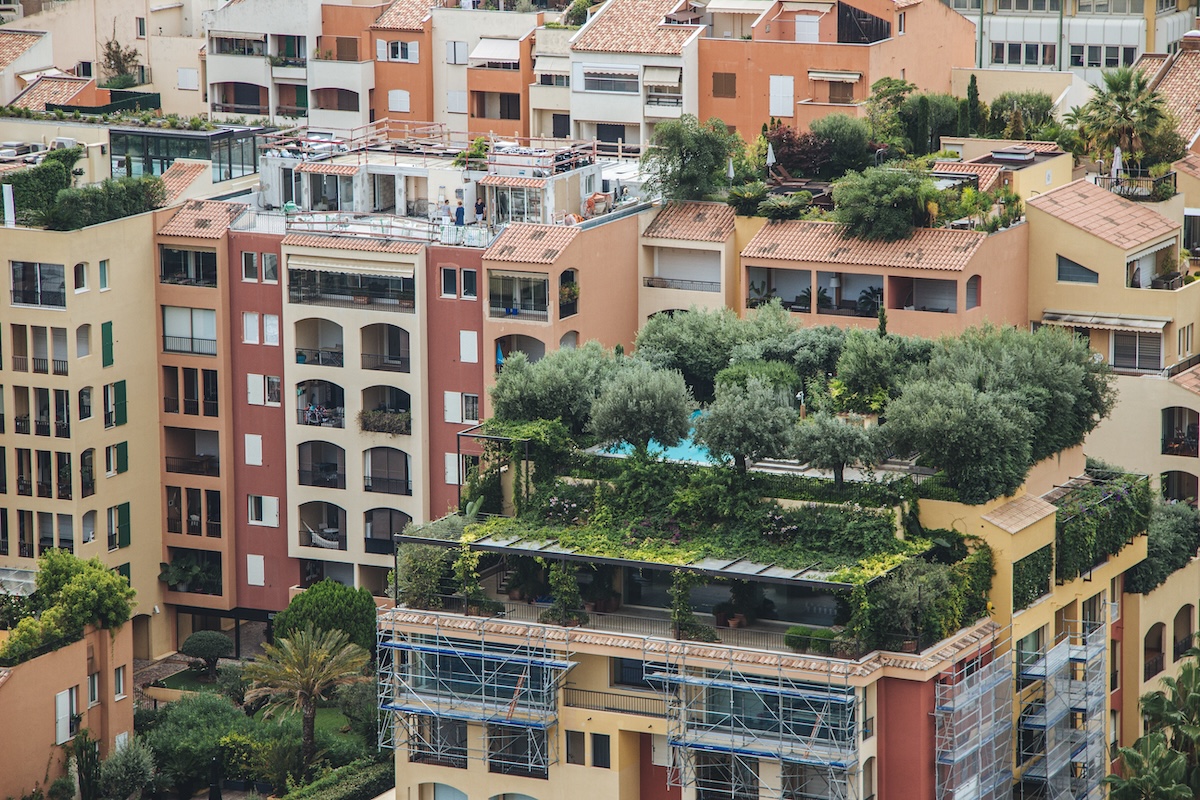
Let's look at the example of Rotterdam:
Source: Smart City Expo Latam
The ESG (Environmental, Social, and Governance) ranking evaluates the performance of companies and organizations in terms of environmental, social and corporate governance sustainability. In recent years, the use of the ESG ranking to evaluate the performance of cities in terms of sustainability and their capacity to attract investment and talent has become popular. A sustainable city that performs well in the ESG ranking is seen as an attractive place to live, work and invest, which in turn can promote greater sustainable economic development and improve the quality of life of its inhabitants.
In conclusion, a sustainable city seeks to achieve a balance between economic, social and environmental development, promoting a better quality of life for its inhabitants, while preserving the environment and natural resources for future generations. To achieve this, strategies must be implemented that promote the efficient use of natural resources, sustainable transport, the construction of sustainable buildings, the use of green spaces and biodiversity, and social inclusion.
If you are looking to carry out sustainable projects to promote a sustainable city that meets the ESG ranking, contact us here.
Leaf Global. Copyright © 2026. All rights reserved.