Aerothermia: Sustainable Air Conditioning Technology

Home

>

Blog

>

Aerothermia: Sustainable Air Conditioning Technology

Aerothermia: technology and efficiency

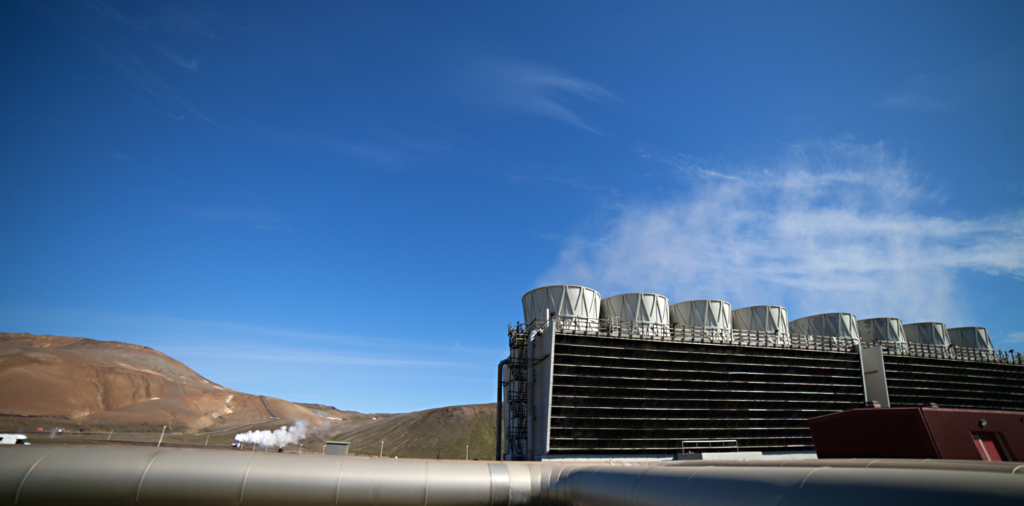
Aerothermia is based on a technology that uses energy from outside air through a pump system, extracting up to 75% of atmospheric energy. This process significantly reduces electricity consumption, using only 25% for the operation of the equipment.

Some aerothermal systems only require 1 kW of electricity to produce between 3 and 5 kW of heat at home, taking advantage of between the 66% And the 80% of the heat of the outside air free of charge. These devices act like traditional heat pumps but provide heating in winter, cooling in summer and hot water all year round in a single installation.

Advantages of Aerothermia

  1. Cleanliness and Sustainability

    • Aerothermia operates without combustion, eliminating emissions and waste.
    • Classified as renewable energy, it uses ambient temperature as an energy source.
  2. Efficiency and Savings

    • It extracts free energy from the environment, paying only for the electrical consumption of the pump.
    • It offers significant savings, around 25% compared to gas systems and 50% compared to diesel.
  3. Security

    • Without boilers, aerothermal energy contributes to home safety by not producing smoke or the risk of fire by combustion.
    • The installation is simple, requires little maintenance and guarantees worry-free operation.

Si quieres recibir este ebook,
¡suscríbete!

Portada de ebook azul con texto sobre oportunidades de financiamiento para construcción sostenible en América Latina y logo de Leaf.

Para Leaf, tu privacidad es fundamental. Por eso, utilizamos los datos que nos proporcionas para acercarte novedades e información relevante. Al descargar, muestras tu conformidad con ello. Puedes cancelar tu suscripción en cualquier momento.

Thank you! Your submission has been received!
Oops! Something went wrong while submitting the form.
Sustainability as a Competitive Advantage in Real Estate Developments

Sustainability has become a key competitive advantage in real estate developments, helping reduce operating costs, increase resale value, and meet the evolving expectations of buyers and investors. Projects that integrate energy efficiency, carbon reduction, well-being, and environmental certifications stand out in competitive markets and protect long-term asset value.

LEED Certification in LATAM: step-by-step process, costs and timelines

LEED certification in Latin America has become a key driver of value, efficiency and market differentiation in real estate projects. This article explains what LEED certification is, how the process works in LATAM, the main stages, real costs and timelines, and its impact on asset value and resale potential. A practical guide for developers, investors and project teams seeking sustainable construction under international standards.

EDGE Certification: The Fastest Way to Build an Efficient Building

EDGE certification is one of the fastest and most effective ways to create efficient buildings, reduce energy, water, and material consumption, and increase property resale value. Developed by the International Finance Corporation (IFC), part of the World Bank Group, EDGE helps real estate projects lower their environmental impact, reduce operating costs, and support decarbonization efforts. With a streamlined and measurable process, EDGE has become a strategic certification for developers and investors seeking sustainability, profitability, and market differentiation.

Logo with the word 'leaf' in white and text 'Sostenibilidad para todos' in blue next to two green leaves.

PERU

PANAMA

COLOMBIA

CHILE

CHINA

MEXICO

CDMX

Monterey

FOLLOW US ON

Instagram logo
Logo facebookLogotipo de LinkedIn en blanco sobre fondo azul.