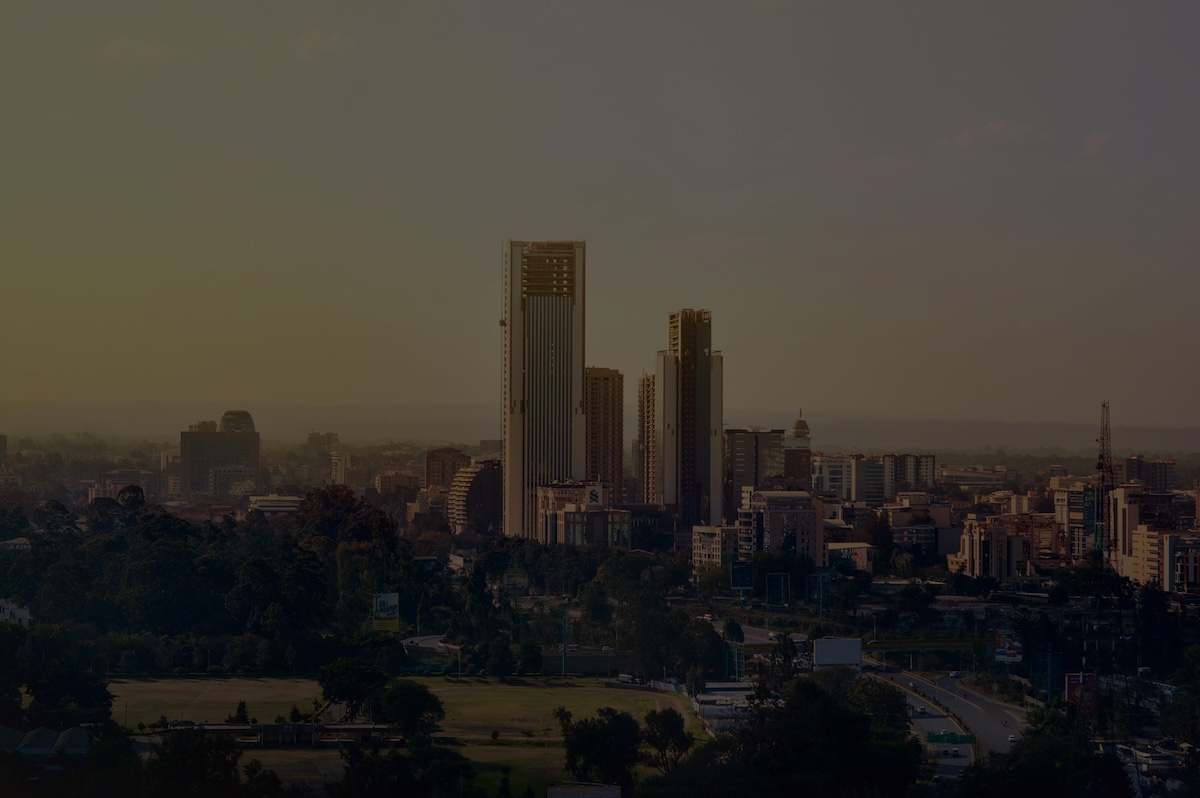
Nairobi is East Africa's most active city for attracting international investment and home to UN-Habitat, UNEP and dozens of international organizations that require sustainability standards in the buildings they occupy. The Kenya Green Building Society (KGBS) promotes the local market, but LEED is the standard that opens doors to the international capital market and the highest-value tenants in Westlands, Upper Hill and Gigiri. Projects seeking financing from the IFC, IDB or development banks must demonstrate verifiable environmental standards from the design stage. Leaf provides the LEED expertise that the local consulting ecosystem does not yet have in sufficient quantity, ensuring projects in Nairobi meet GBCI requirements.
Project assessment: we analyze the Nairobi context (equatorial highland climate, NCA regulations) and define the applicable LEED system and most efficient credits for the Kenyan market.
Local credit strategy: we identify high-impact credits in Nairobi's context, including WE (seasonal water scarcity) and IEQ (indoor environmental quality).
Remote documentary management in LEED Online, coordinating with local design and construction teams to collect required evidence.
GBCI certification: we accompany review cycles through to official plaque issuance.
GBCI registration and review fees range from USD 1,200 (projects under 4,600 m²) to USD 22,500 (projects over 185,000 m²), depending on the rating system and project size, plus Leaf's consulting fee. The construction cost premium typically falls between 1% and 5% of the budget, depending on the target level (Certified to Platinum) and the project type. The process takes 16 to 26 months. Nairobi's equatorial climate (altitude ~1,700 m, moderate temperatures) favors LEED's energy and thermal comfort credits, which can streamline the points—and cost—strategy.

UN Habitat, UNEP, World Bank, European Union, USAID, and most international cooperation agencies based in Nairobi have sustainability policies that include LEED as a space selection criterion.
The Kenya Green Building Society doesn't have its own certification system — it promotes LEED and other international standards. In Kenya, LEED is directly the relevant standard for the corporate and institutional market.
Between 16 and 26 months for new projects. Nairobi's equatorial highland climate (altitude ~1,700m, moderate temperatures) is favorable for LEED energy and thermal comfort credits, which can accelerate the scoring strategy.
Leaf Global. Copyright © 2026. All rights reserved.