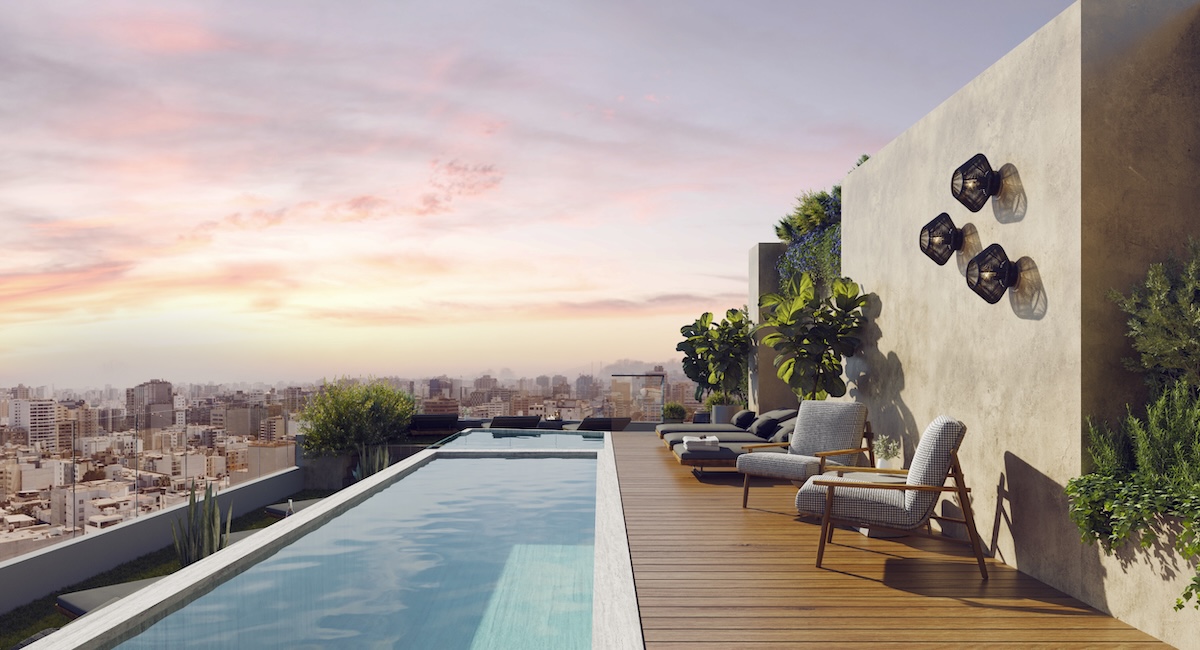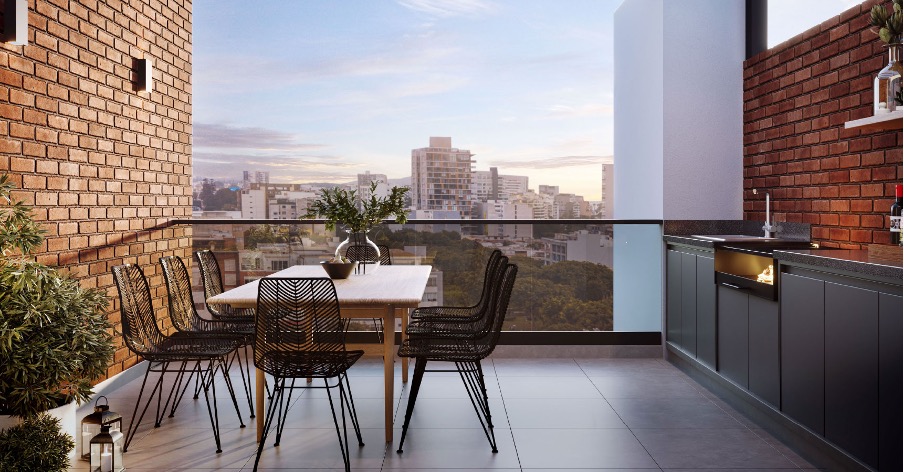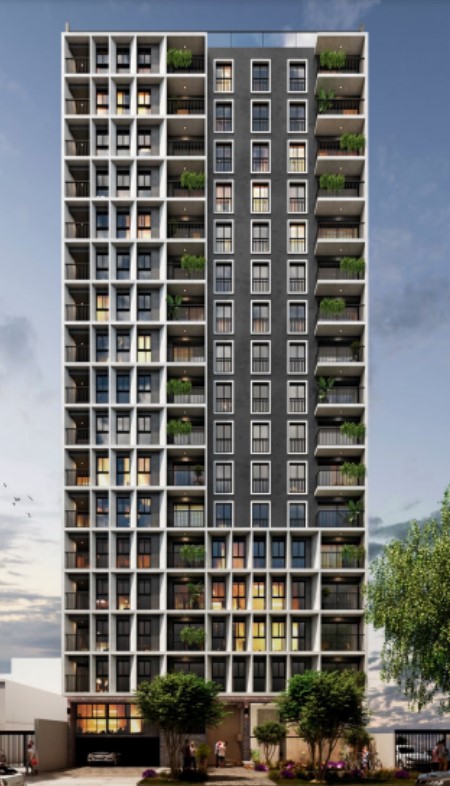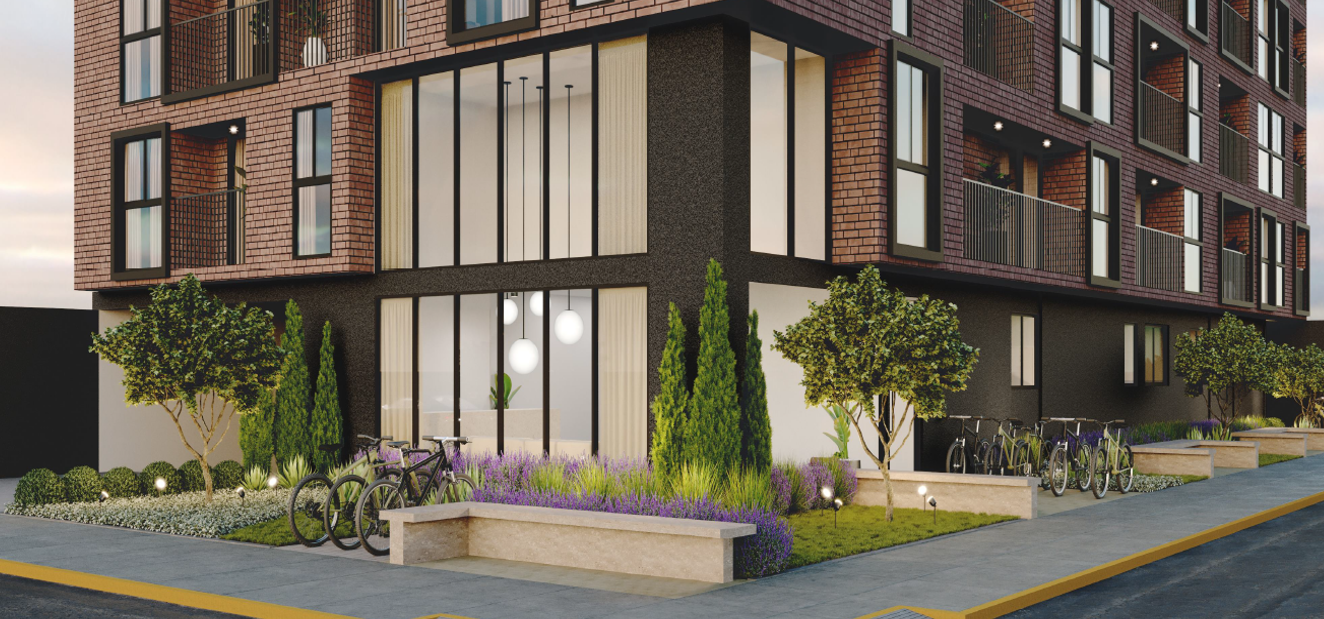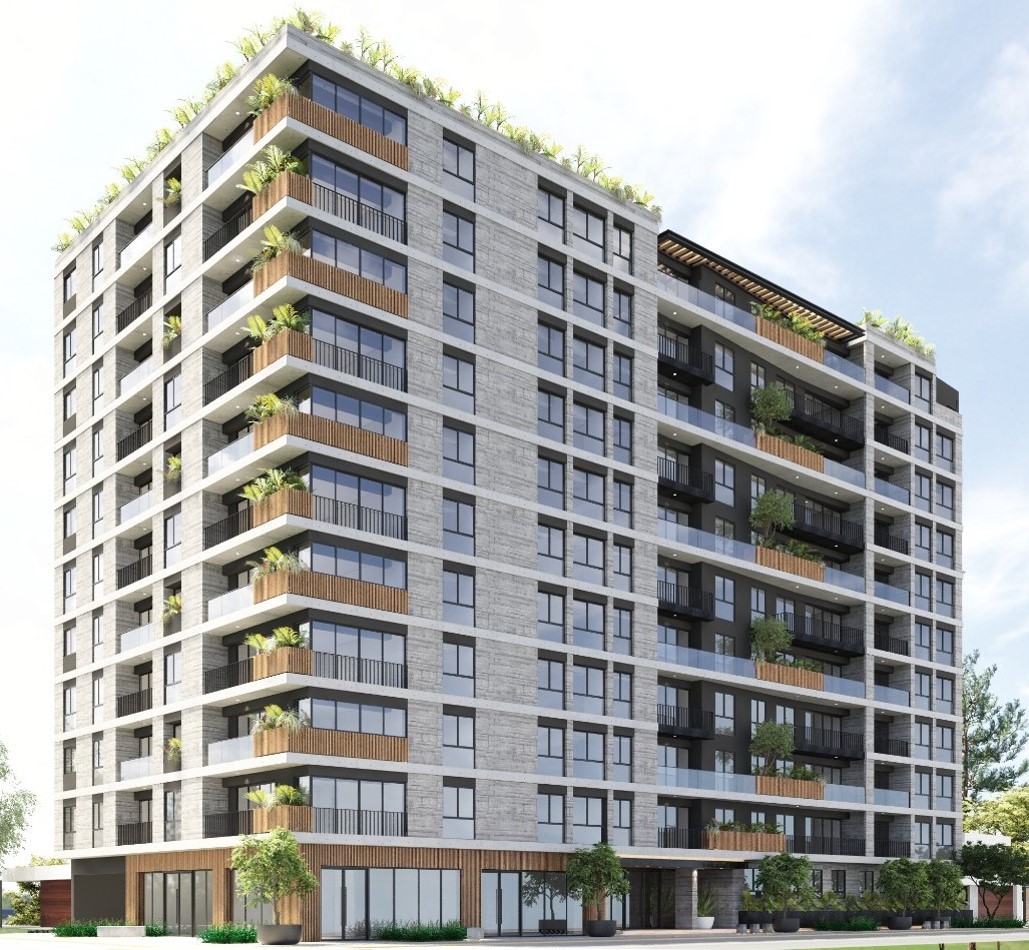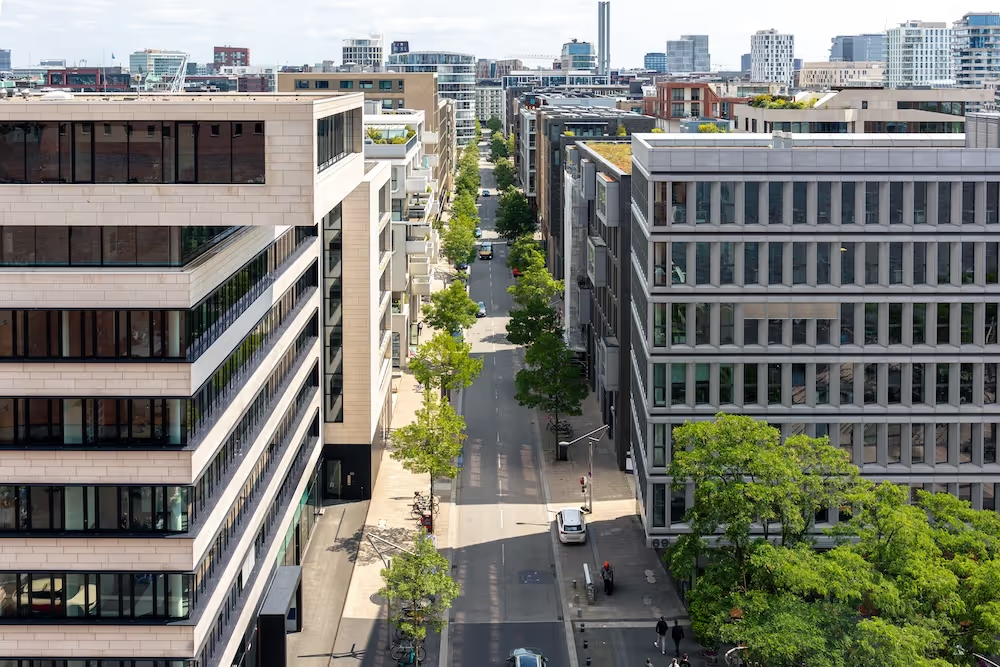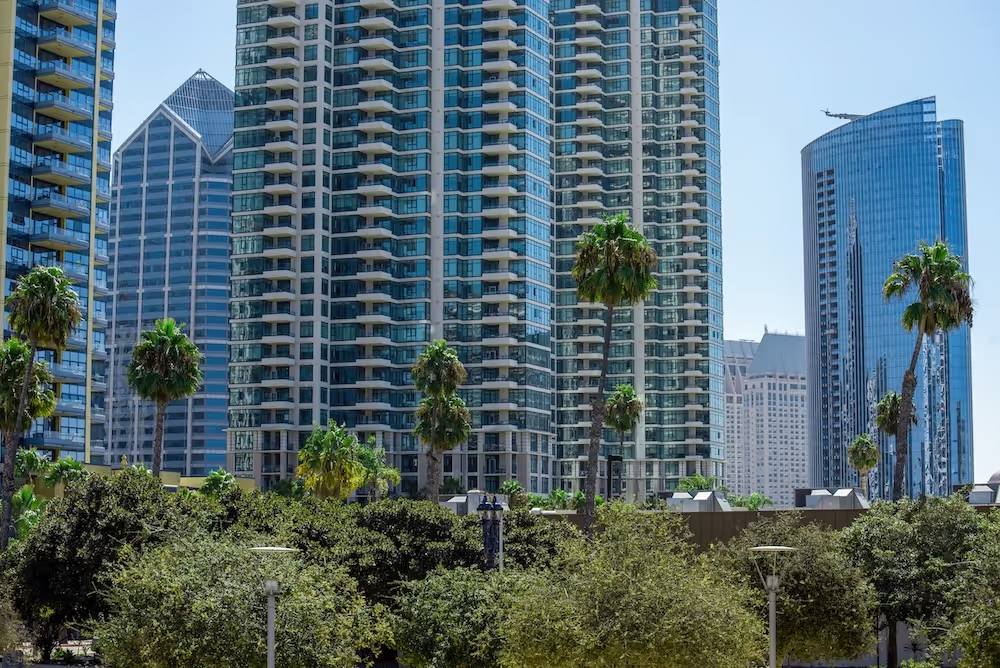
The residential sector is undergoing a quiet transformation: buyers — especially in upper-middle and luxury segments — are already asking about energy efficiency, indoor air quality and water consumption before signing. In markets like Peru, Colombia, Mexico and Chile, banks offer green mortgages with preferential rates for projects with recognized certification, making LEED a financial argument as well as an environmental one. LEED answers all those questions with an internationally verified standard. The perception that LEED raises residential construction costs is the biggest obstacle — and the reality is that with the right credit strategy, the construction premium is recovered in the first year through utility savings for the resident.
LEED residential system selection: we determine whether LEED BD+C: Homes, LEED BD+C: Multifamily Midrise, or another system applies based on project typology, height, and scale.
Integrated residential design: we work with the architecture team from design to optimize orientation, building envelope, HVAC systems, and indoor air quality.
Construction documentation and verification: LEED residential requires on-site inspections to verify installations. Leaf coordinates verification visits and prepares all GBCI documentation.
Certification and sales support: once the LEED plaque is obtained, we prepare technical materials the sales team can use in commercializing the project.
GBCI registration and review fees range from USD 1,200 (projects under 4,600 m²) to USD 22,500 (projects over 185,000 m²), depending on the rating system and project size, plus Leaf's consulting fee. The construction cost premium typically runs 2% to 5% over conventional cost, recovered in 2 to 4 years through energy and water savings. The process typically takes 10 to 18 months. The premium is recovered in 2 to 4 years through energy and water savings, and on luxury or upper-mid-market projects, the sale-price increase LEED enables far exceeds that initial premium.

The construction premium for LEED residential is typically 2-5% above conventional cost. This is recovered in 2-4 years through energy and water savings. In luxury or mid-to-high-end projects, the sales price premium LEED enables significantly exceeds the construction cost increase.
LEED BD+C: Homes has housing-specific prerequisites and credits: moisture control to prevent mold, on-site systems verification, a residential-calibrated energy performance path, and indoor air quality requirements that don't exist in the general system.
Yes. Mixed-use projects can certify different areas under different LEED systems: BD+C: New Construction for the commercial portion and BD+C: Multifamily Midrise for the residential. Leaf determines the most efficient certification strategy for mixed-use projects.
Leaf Global. Copyright © 2026. All rights reserved.