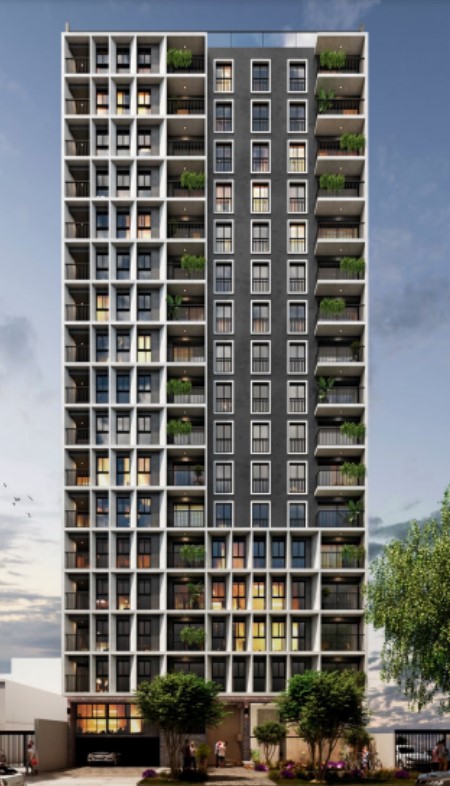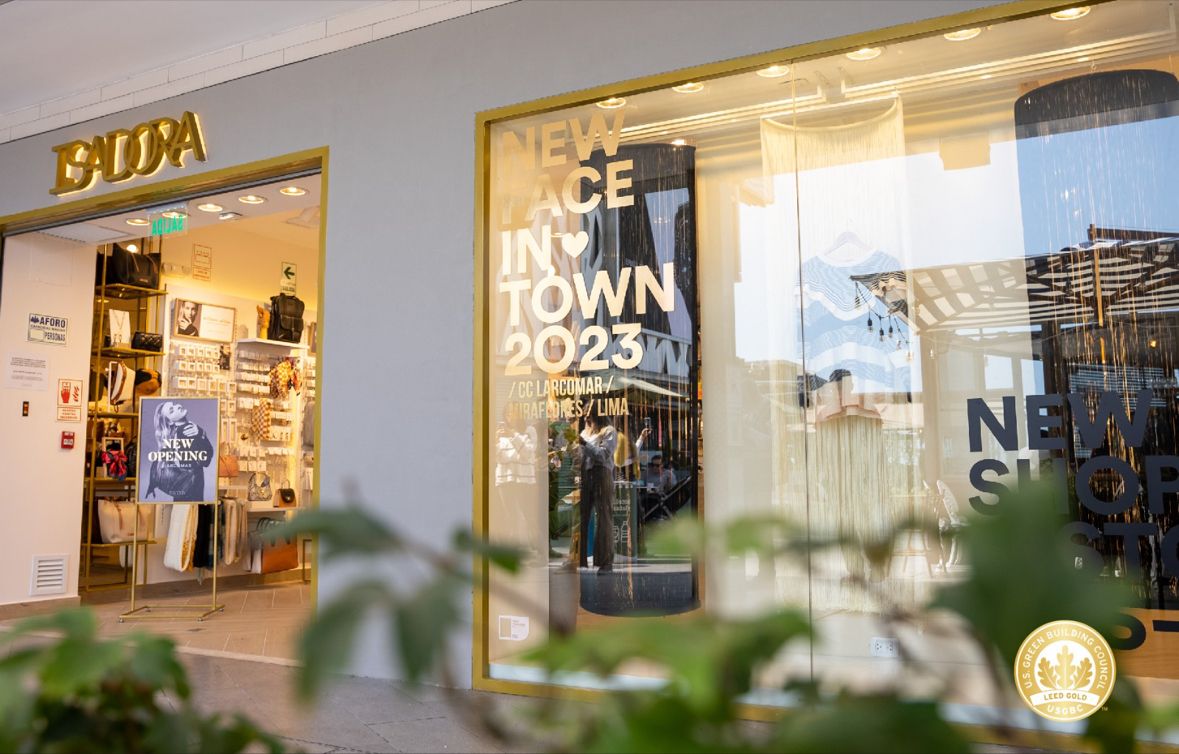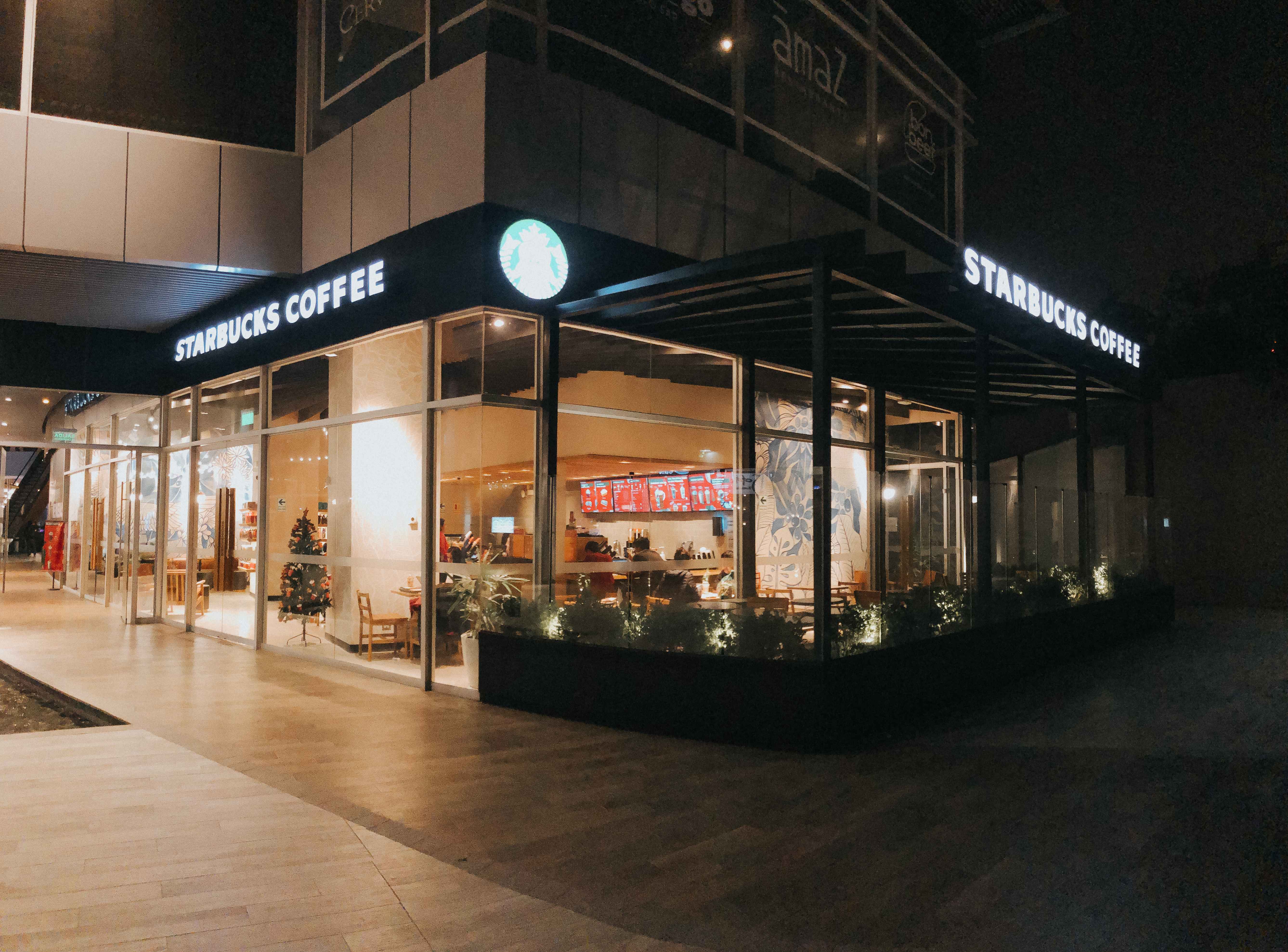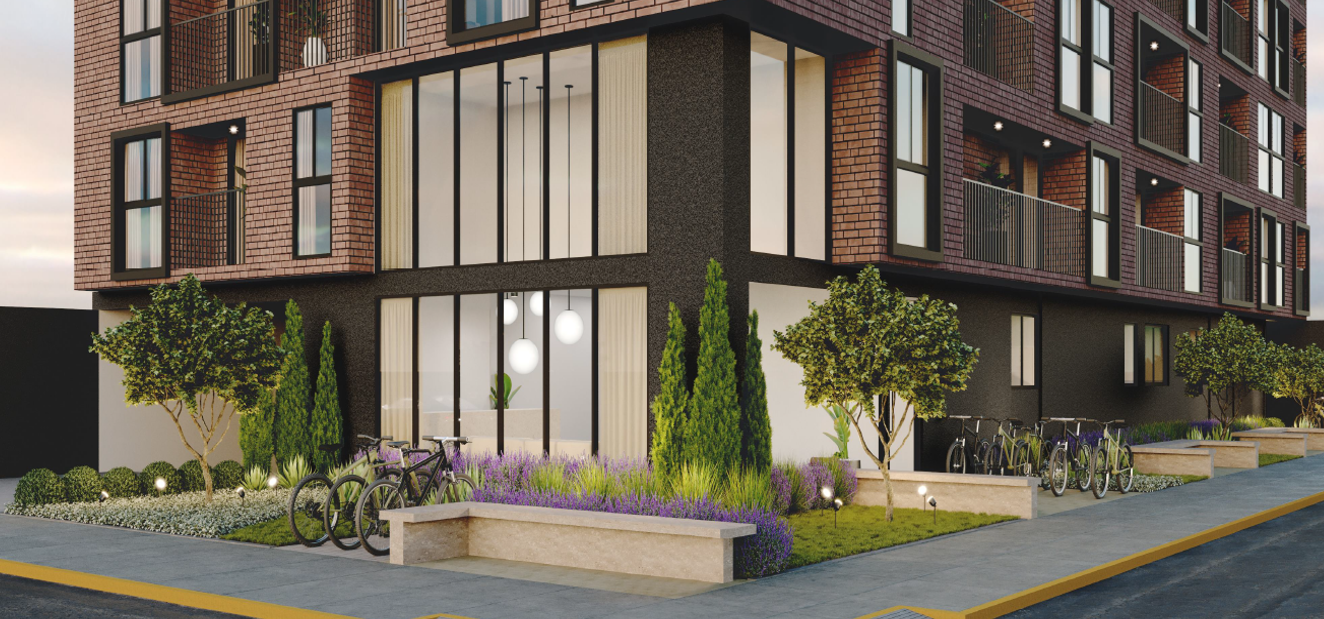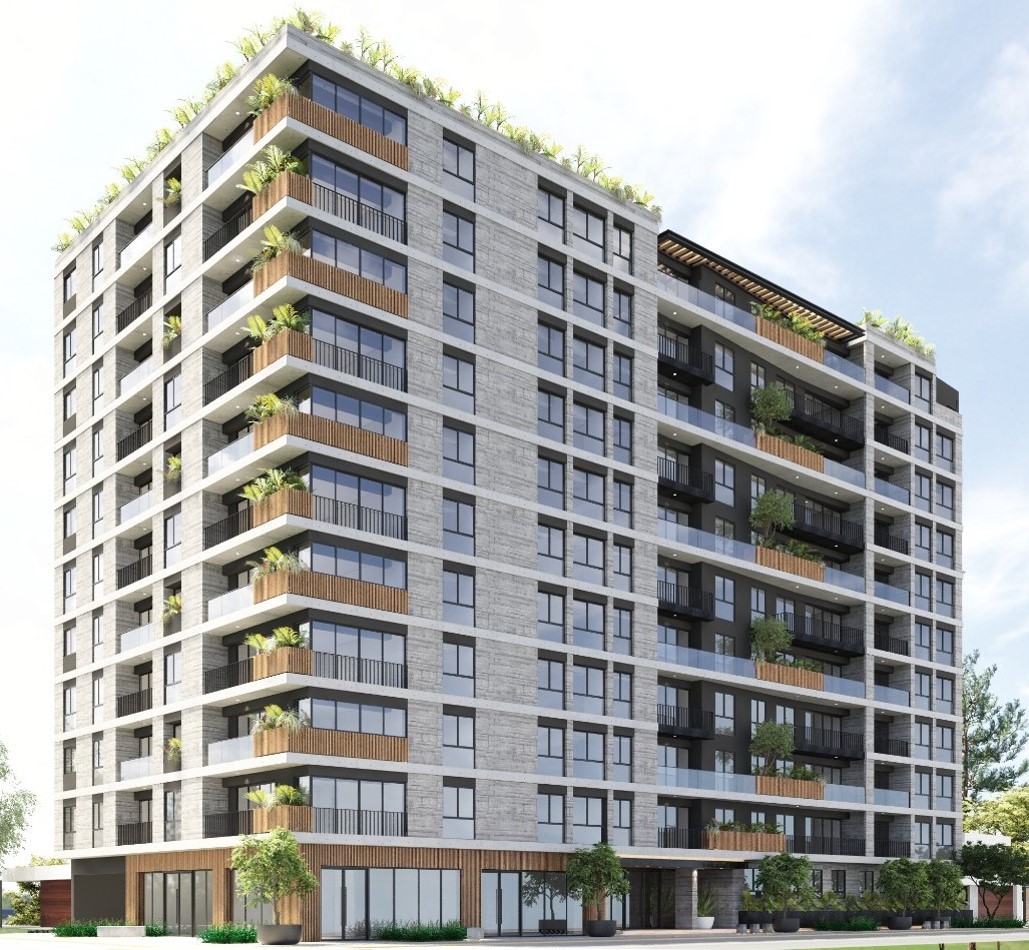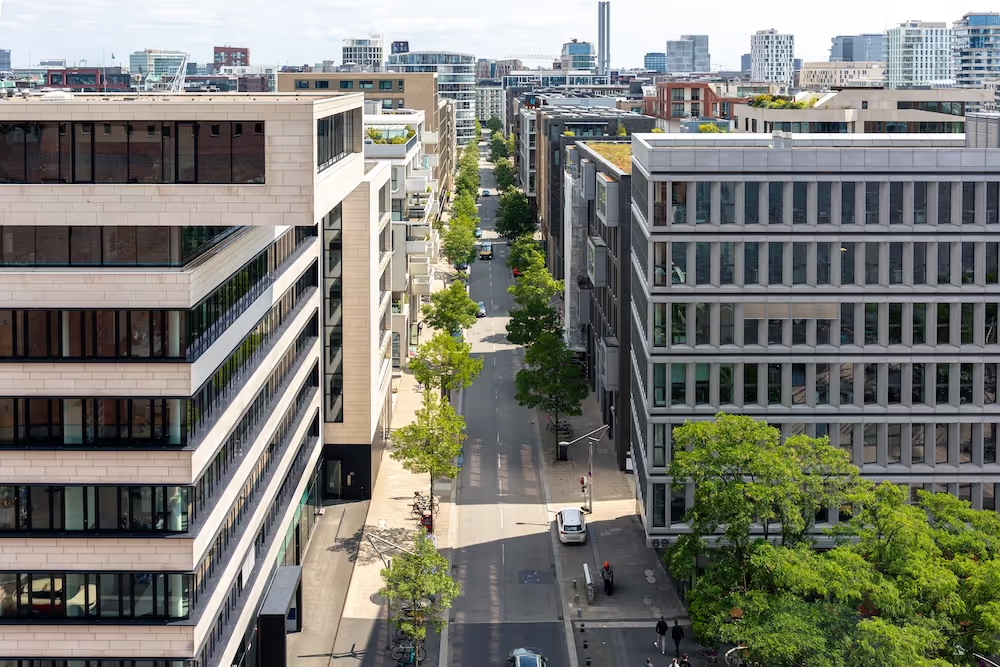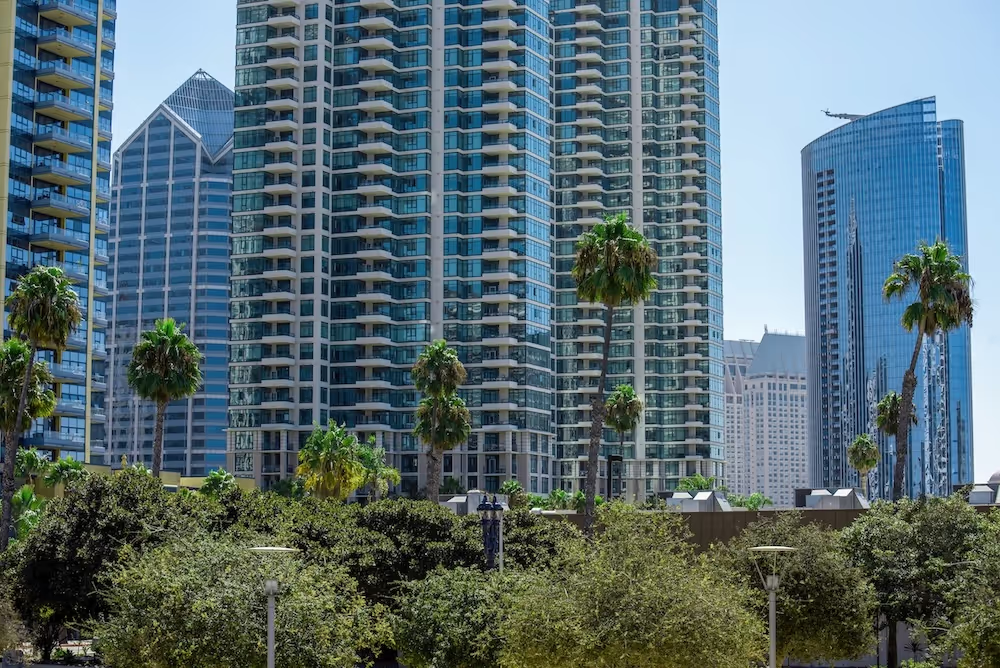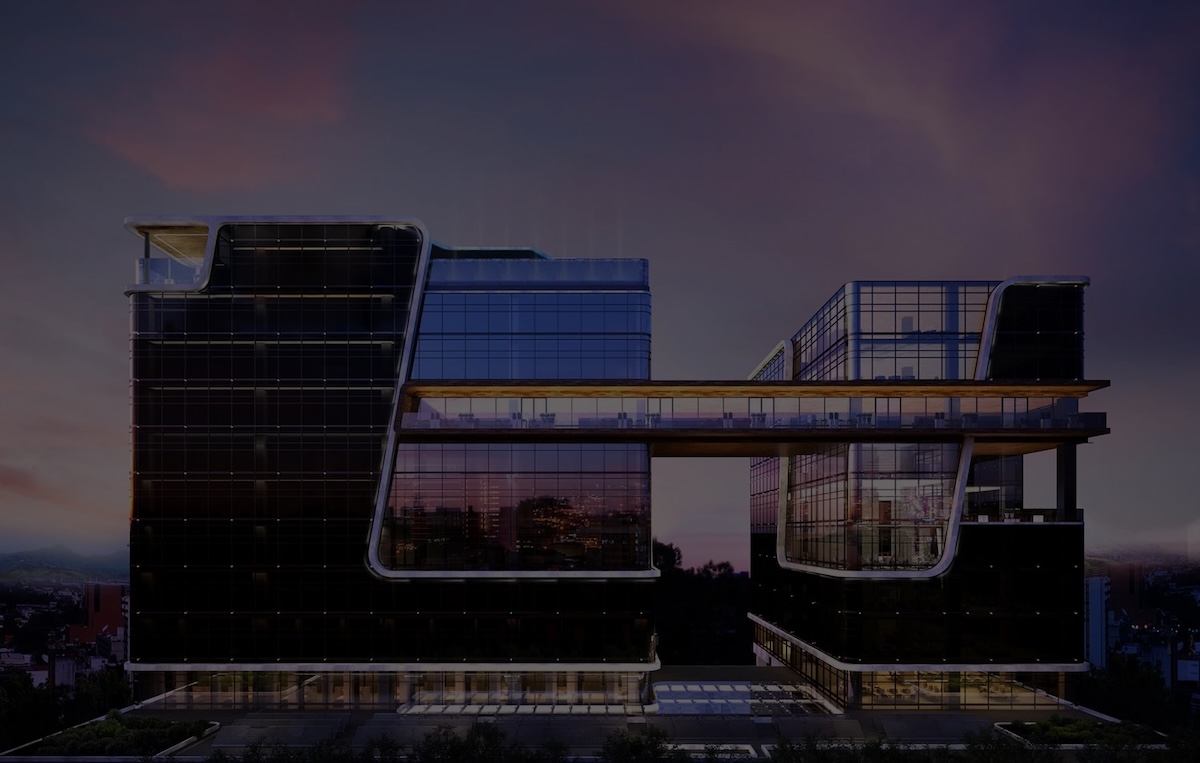
Guatemala has a rapidly growing corporate real estate market concentrated in Guatemala City's Zone 10, Zone 14, and Zone 15 corridor, where mixed-use office, retail, and residential developments serve multinationals, embassies, banks, and international organizations that include LEED in their real estate policies. The main challenge is the gap between tenants' demand for LEED standards and the local supply of certification expertise: there are very few LEED Accredited Professionals in the Guatemalan market, causing developers to enter the process late with limited budget. Leaf resolves this bottleneck with a remote consulting model that integrates the local team from early design.
Feasibility diagnosis: we assess the project in the Guatemalan context (warm-humid climate, CONRED seismic construction standards) and define the applicable LEED system and credits.
Tropical climate credit strategy: we prioritize HVAC efficiency (EA), indoor environmental quality (IEQ), and stormwater management (SS) credits — most impactful in Guatemala's climate.
Integrated remote consulting: Leaf works remotely but integrated with the local architecture, engineering, and construction team to ensure LEED requirements are correctly documented.
GBCI certification: we manage review cycles through to plaque issuance.
GBCI registration and review fees range from USD 1,200 (projects under 4,600 m²) to USD 22,500 (projects over 185,000 m²), depending on the rating system and project size, plus Leaf's consulting fee. The construction cost premium typically falls between 1% and 5% of the budget, depending on the target level (Certified to Platinum) and the project type. The process typically takes 16 to 26 months — the typical range for markets of similar size in the region, since Guatemala still has a small but growing LEED inventory.

Guatemala has a small but growing LEED inventory. For precisely that reason, each new certified building becomes a market reference point with preferential access to the highest-value corporate tenants.
HVAC efficiency credits (EA Optimize Energy Performance) and indoor air quality (IEQ) are the highest impact credits. Air conditioning systems represent over 50% of energy consumption — optimizing them is the key to achieving Gold or Platinum.
Yes, though having a LEED AP earns one point in the Integrative Process credit. Leaf can serve as the project's LEED AP, providing credit points and technical expertise without needing to hire additional staff.
Leaf Global. Copyright © 2026. All rights reserved.