He leads projects and consulting services under LEED, EDGE, and FITWEL standards, integrating facade optimization strategies, life cycle assessments, and energy modeling to develop high-performance buildings.
Discover the low carbon footprint materials that are redefining sustainable construction.
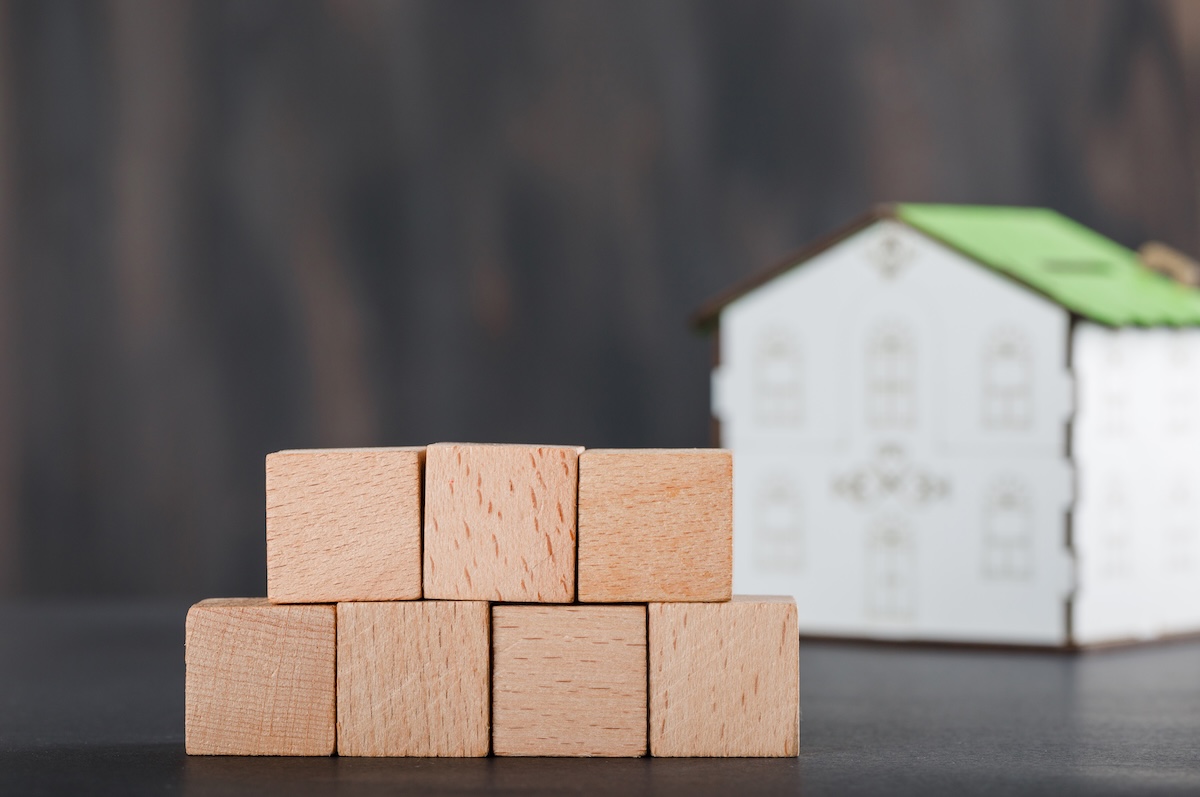
Unbeknownst to many, the materials that have supported the construction industry for decades have become an environmental burden. Cement and steel, for example, are responsible for nearly 10% of global CO2 emissions. A radical change is urgent, not only to mitigate environmental impact but to comply with increasingly strict regulations surrounding carbon emissions.
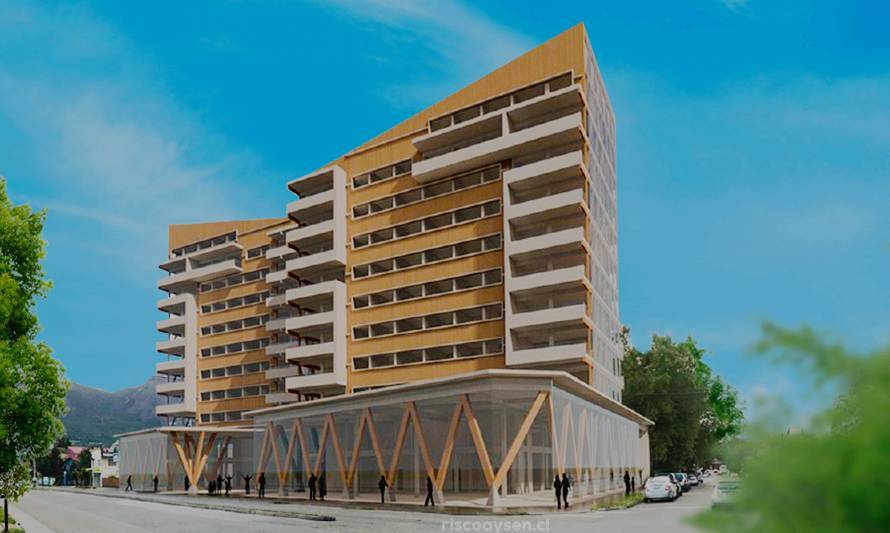
The search for sustainable alternatives has fostered the development of low carbon footprint materials. Cross Laminated Timber (CLT), green concrete, and fly ash bricks top the list of innovations beginning to transform the sector.
The use of artificial intelligence (AI) is beginning to revolutionize materials selection. AI-powered lifecycle analysis tools help architects and designers compare the environmental impacts of different materials from the project conception stage. This facilitates more informed decisions aligned with sustainability goals.
On the horizon, materials such as biocement, which incorporates bacteria capable of repairing cracks, and the use of mycelium to create natural insulators are taking shape. These concepts not only promise to revolutionize the maintenance of structures but could eventually redefine how we conceive the longevity of building materials.
Persisting with high carbon footprint materials could leave companies lagging behind competition increasingly oriented towards ESG (Environmental, Social, and Governance) criteria. The availability of green financing and regulatory compliance are becoming the currencies for accessing new projects.
Adopting these materials is not just a matter of sustainability; it's about ensuring competitiveness in a dynamic market. Those who lead this transformation will not only reduce their environmental impact but also gain significant financial and reputational benefits.
To understand how innovative low carbon footprint materials can be integrated into your projects and enhance your sustainability strategy, explore our consulting solutions at Leaf Global.
Leaf Global. Copyright © 2026. All rights reserved.