He leads projects and consulting services under LEED, EDGE, and FITWEL standards, integrating facade optimization strategies, life cycle assessments, and energy modeling to develop high-performance buildings.

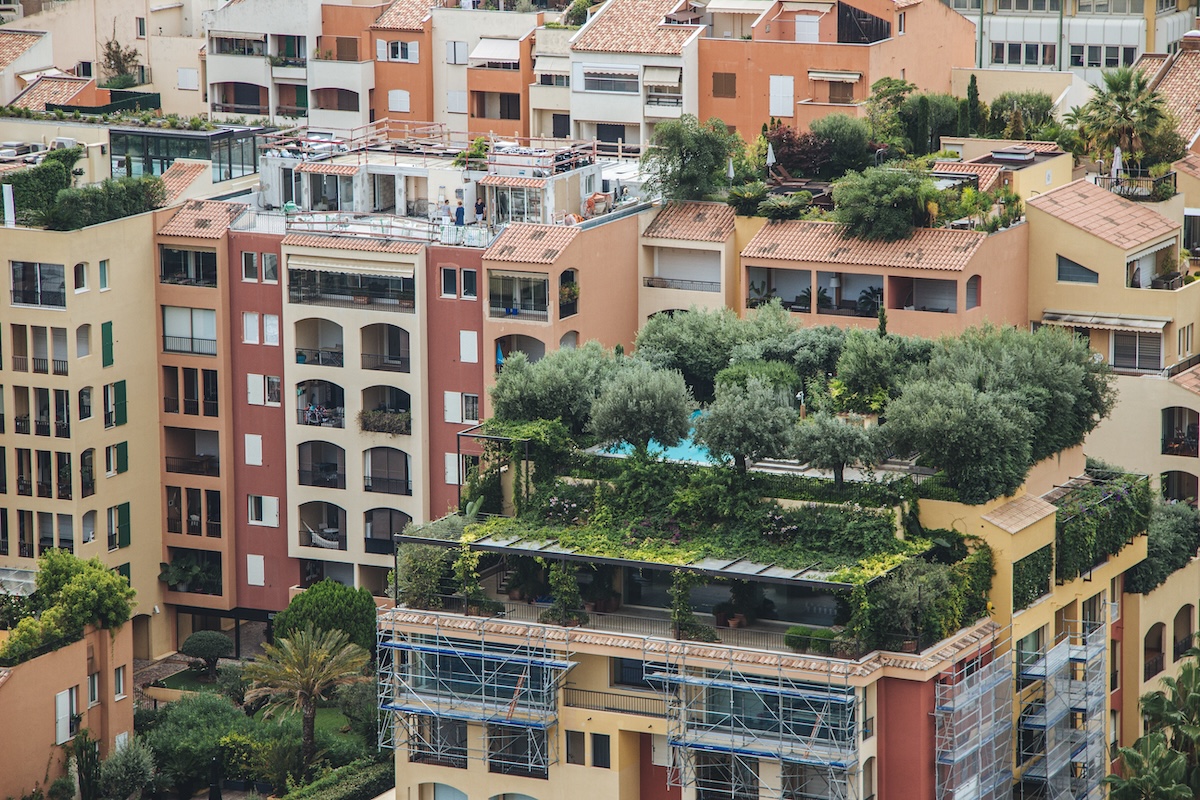
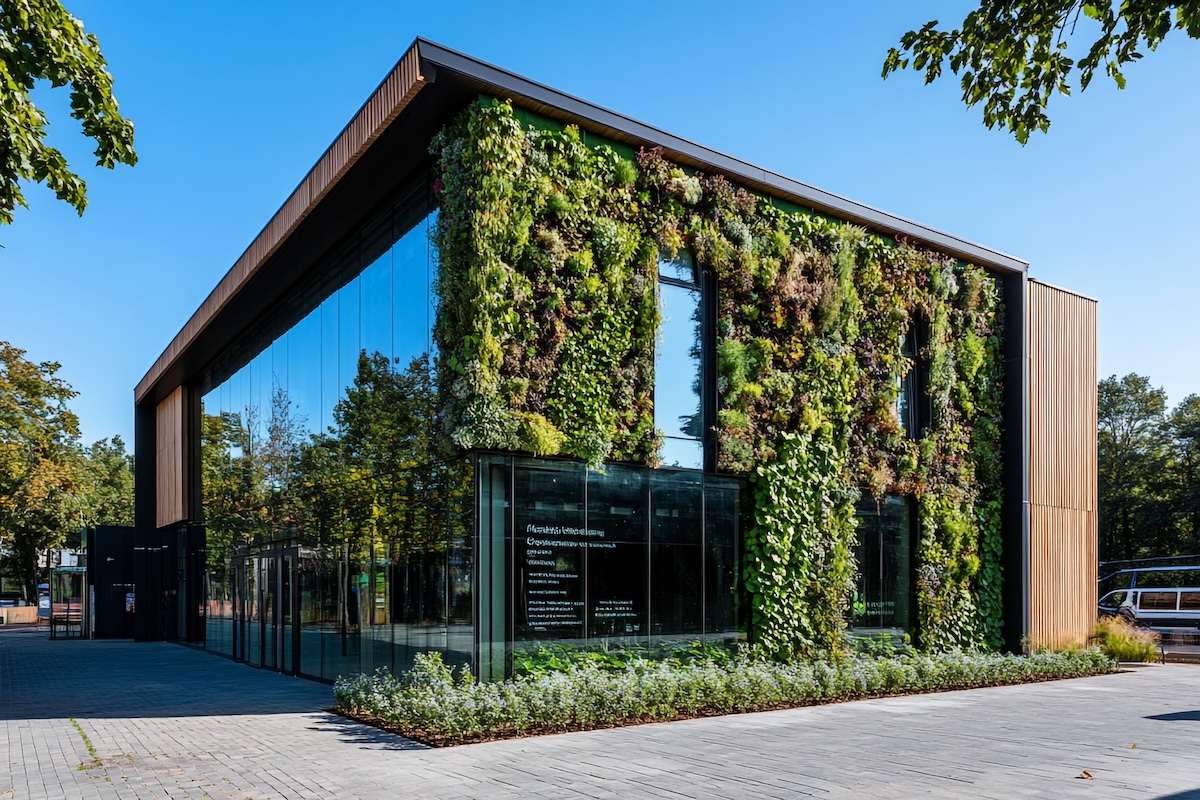
In an environment like the current one in which there are fewer and fewer natural spaces, taking advantage of the roofs and walls of buildings to place vegetation is an excellent alternative to improve the environment. Learn about the many benefits of a green roof:


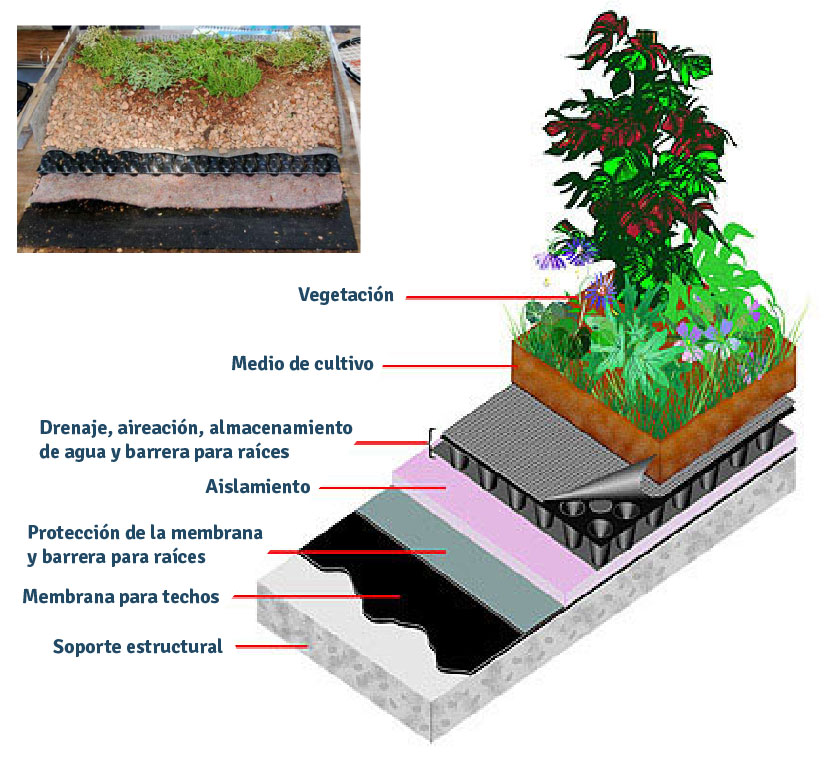
The Extensive they have a substrate depth of approximately 5 cm, are suitable for large areas, are light and easy to install, can be incorporated into almost any existing building because they do not represent an excessive structural load, require minimal maintenance and self-sufficient plants are used to implement them.
They are usually chosen for lightweight roof coverings, hard-to-reach, flat or sloped roofs.
These types of plants include moss, sedum, herbs, grass, lilies, and others.

On the other hand, the Intensive have a substrate depth greater than 15 cm, require greater maintenance and are usually planned from the design of a building due to their high structural load. They are usually chosen for natural garden spaces, food cultivation and recreation.
For this type of roof you can incorporate all types of plants and shrubs and even trees.

In addition, both an extensive and intensive green roof must be incorporated a waterproofing layer to prevent the water contained in the substrate from filtering and a barrier layer to prevent plant roots from damaging the building structure.
Sources consulted: Greenspec and UAEH (Autonomous University of the State of Hidalgo).
Leaf Global. Copyright © 2026. All rights reserved.