Circular economy in buildings

Home

>

Blog

>

Circular economy in buildings

What is the circular economy?

The circular economy is an economic model that seeks to reduce the environmental impact of production and consumption, minimizing the generation of waste and encouraging the reuse and recycling of materials. In the context of building, the circular economy focuses on the efficient management of resources and the reduction of the environmental impact of buildings throughout their life cycle.

Circular Economy vs. Linear Economy

The circular economy is opposed to the linear economy, which is based on the extraction of resources, the production of goods, the consumption and disposal of waste. The circular economy seeks to close the material cycle, reusing and recycling the waste generated for the production of new goods and services.

Source: Resistible

How does a city with a circular economy work?

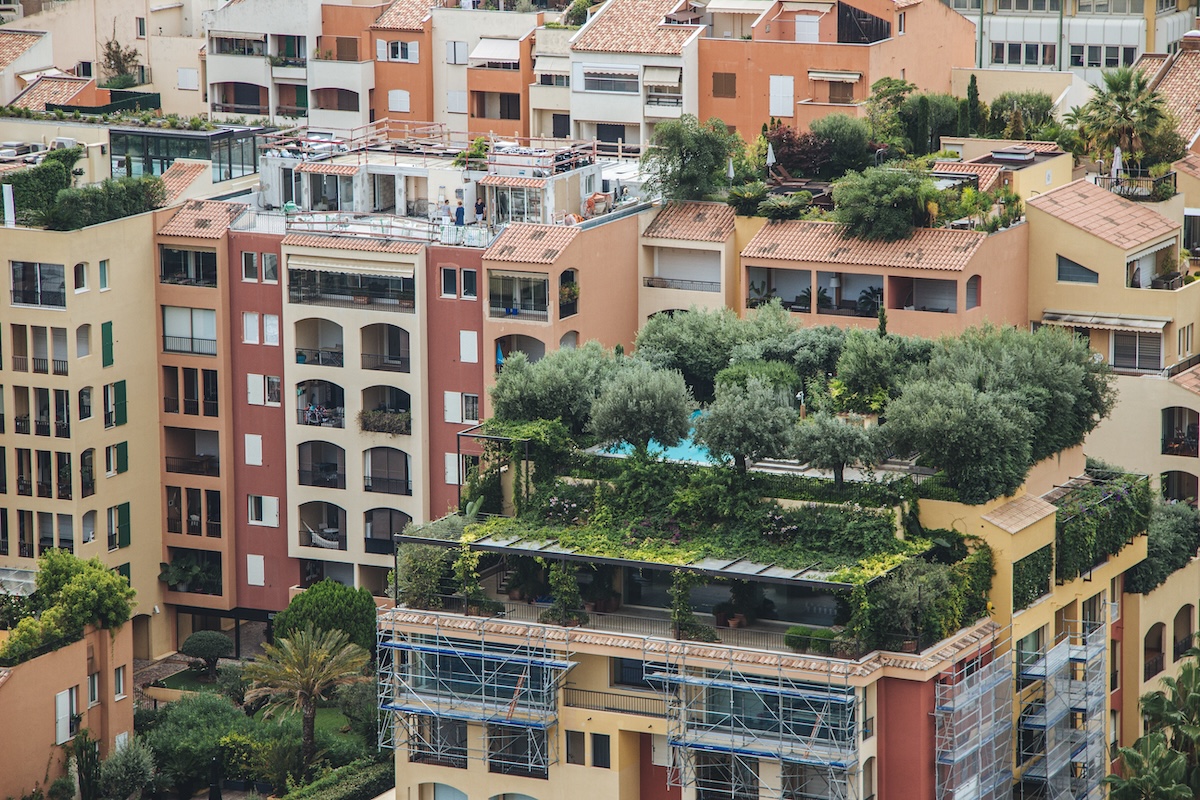
In a city with a circular economy, buildings and infrastructures are designed to maximize resource efficiency and minimize waste generation. The reuse and recycling of materials is encouraged, and the local economy and collaboration between companies and citizens for waste management are promoted.

The main characteristics of a “circular” city are:

  • They promote efficient management and flee from urban sprawl
  • They create wealth
  • They are metabolic, they generate synergies between wastes - resources
  • They close the cycle

Circular economy scheme for the construction sector

Source: gbce.es

Si quieres recibir este ebook,
¡suscríbete!

Portada de ebook azul con texto sobre oportunidades de financiamiento para construcción sostenible en América Latina y logo de Leaf.

Para Leaf, tu privacidad es fundamental. Por eso, utilizamos los datos que nos proporcionas para acercarte novedades e información relevante. Al descargar, muestras tu conformidad con ello. Puedes cancelar tu suscripción en cualquier momento.

Thank you! Your submission has been received!
Oops! Something went wrong while submitting the form.
EDGE Certification: The Fastest Way to Build an Efficient Building

EDGE certification is one of the fastest and most effective ways to create efficient buildings, reduce energy, water, and material consumption, and increase property resale value. Developed by the International Finance Corporation (IFC), part of the World Bank Group, EDGE helps real estate projects lower their environmental impact, reduce operating costs, and support decarbonization efforts. With a streamlined and measurable process, EDGE has become a strategic certification for developers and investors seeking sustainability, profitability, and market differentiation.

Sustainable certifications in Mexico: current overview and trends

Sustainable certifications in Mexico are gaining prominence as a key tool for companies and projects that seek to demonstrate their environmental, social and governance commitment. They are no longer limited to construction alone, but encompass complete processes, operations, products and business models.

Why environmental certifications increase the resale value of a property | Leaf

Discover how environmental certifications, energy efficiency and sustainable buildings increase the resale value of a property and reduce its environmental impact.

Logo with the word 'leaf' in white and text 'Sostenibilidad para todos' in blue next to two green leaves.

PERÚ

PANAMÁ

COLOMBIA

CHILE

CHINA

MÉXICO

CDMX

Monterey

SÍGUENOS EN

Instagram logo
Logo facebookLogotipo de LinkedIn en blanco sobre fondo azul.