He leads projects and consulting services under LEED, EDGE, and FITWEL standards, integrating facade optimization strategies, life cycle assessments, and energy modeling to develop high-performance buildings.
Energy efficiency is one of the fundamental pillars in the fight against climate change. By reducing energy consumption, greenhouse gas (GHG) emissions are also reduced, which has a positive impact on the environment and public health.
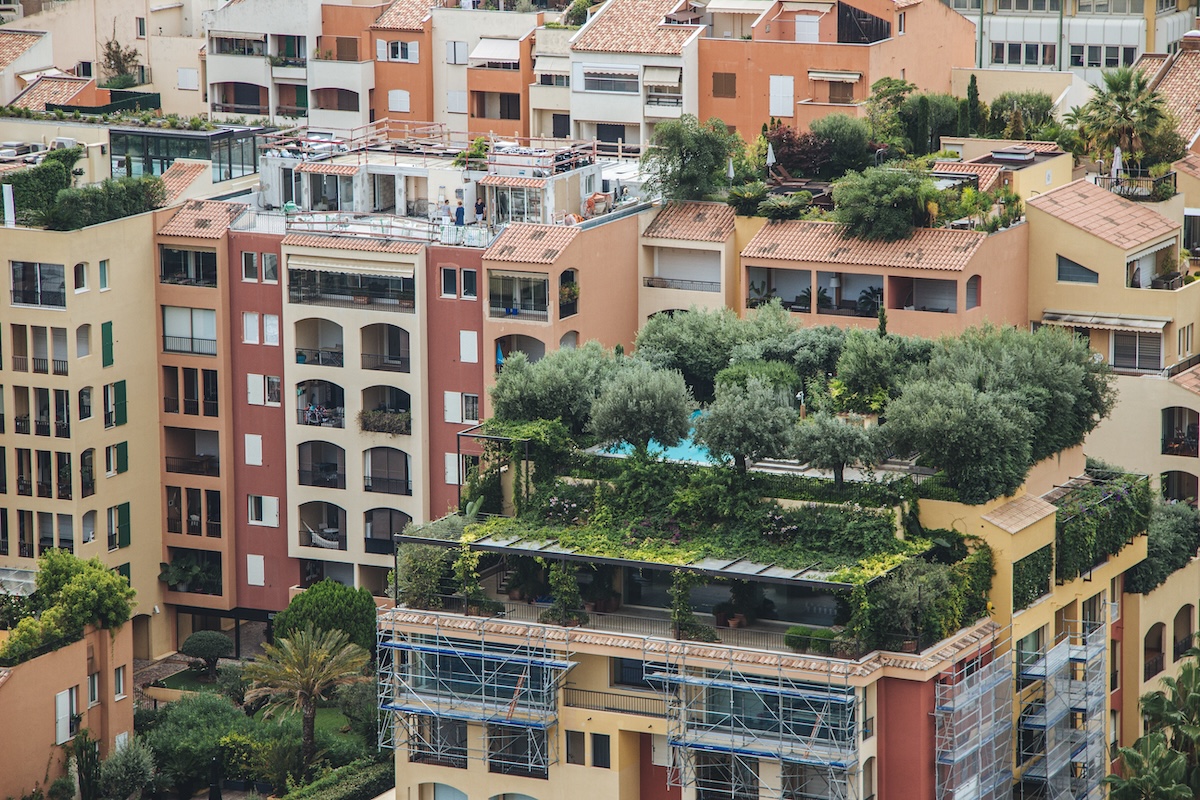
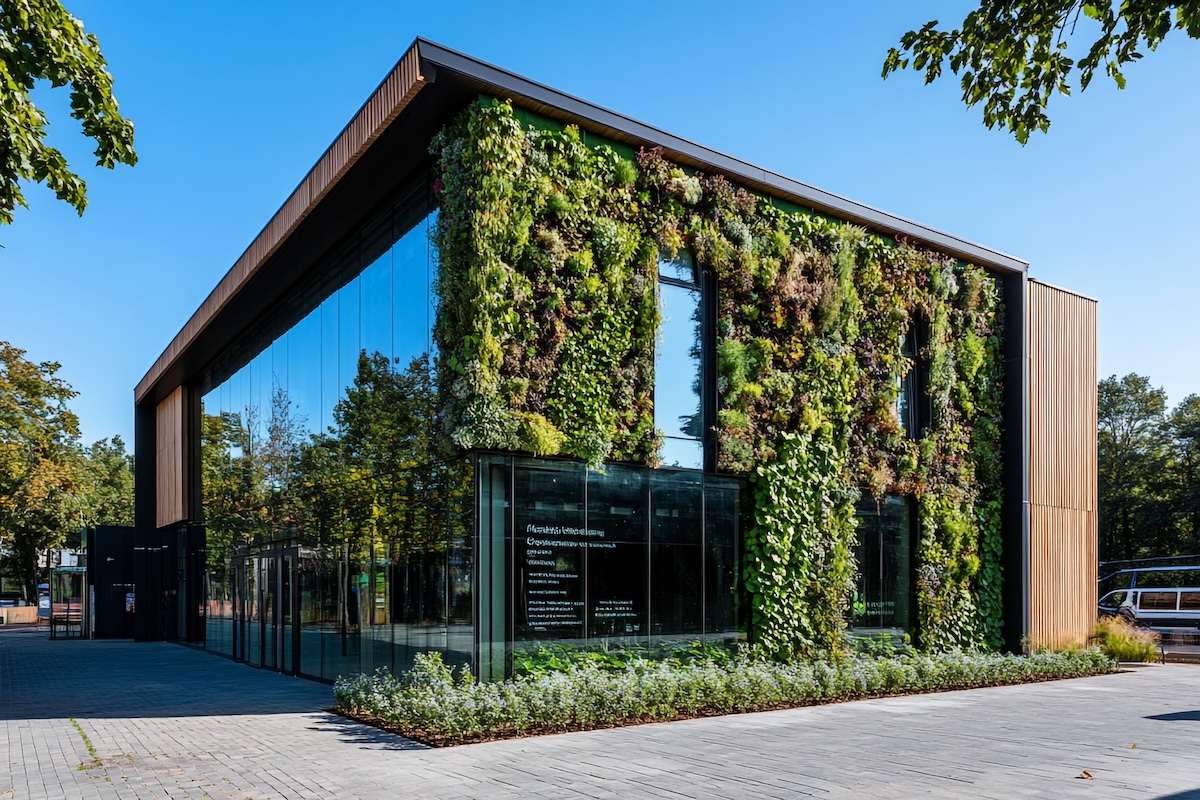
Green buildings—also known as sustainable or green buildings—play a fundamental role in this transition to a more sustainable future. Through intelligent designs, use of renewable energy and efficient technologies, these buildings can optimize their energy performance while promoting the well-being of their occupants.

Sustainable buildings are distinguished by incorporating environmentally friendly practices from their design phase to their operation. Some key features include:
The bioclimatic architecture and sustainable construction make it possible to maximize energy efficiency and minimize the carbon footprint.
Implementing energy efficiency measures in the construction and operation of green buildings has numerous benefits:
In addition, these buildings become models for other constructions, generating a multiplier effect in the adoption of sustainable practices.
The sustainable certifications guarantee that a building meets international standards for sustainability, energy efficiency, health and well-being. These certifications bring credibility, commercial value and environmental recognition to architectural projects.
The following are the most recognized worldwide:
Latin America is making strong progress in the construction of green buildings, adopting sustainable practices that reduce environmental impact and improve energy efficiency. Here are some prominent examples:

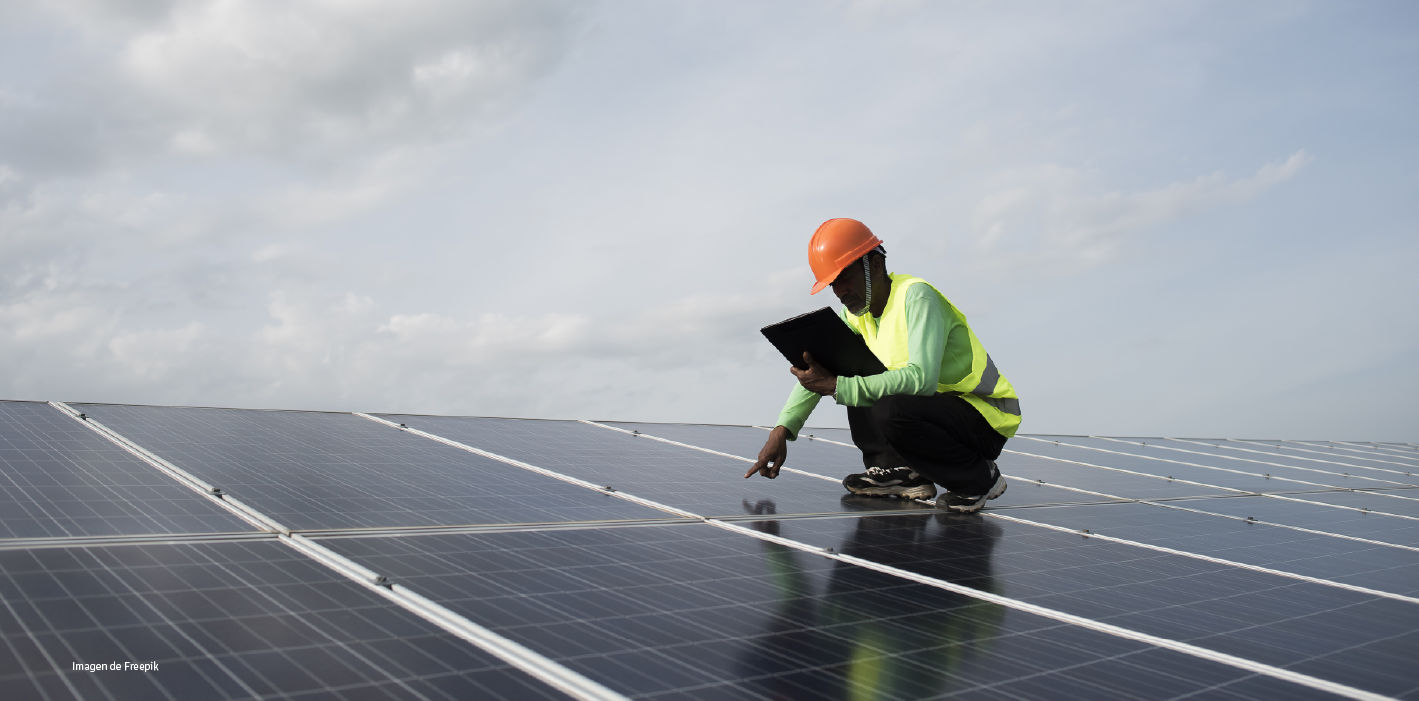
Renewable energies, such as solar and wind, are strategic allies of energy efficiency:
Incorporating them from the design phase is important to ensure the building's energy self-sufficiency.
To achieve truly sustainable buildings, comprehensive planning and the collaboration of various actors are necessary:
Technological innovation and sustainability research are essential to move towards more responsible construction models.

BANCOLOMBIA Corporate Building
The application of innovative technologies makes it possible to significantly improve energy efficiency in buildings:
In addition to reducing energy consumption, these solutions contribute to a more resilient and sustainable architecture.
Optimizing energy efficiency in green buildings is an economic and social opportunity. Sustainable construction, the incorporation of renewable energy and the use of intelligent technologies are the path to cleaner, healthier and more resilient cities.
Leaf Global. Copyright © 2026. All rights reserved.