He leads projects and consulting services under LEED, EDGE, and FITWEL standards, integrating facade optimization strategies, life cycle assessments, and energy modeling to develop high-performance buildings.

Mexico is gradually being transformed into a growth leader in urban sustainability and innovation in energy efficiency. It should be noted that one of the first buildings with LEED Certification in Mexico and Latin America was the National Business Center of Chihuahua in 2006, as well as the HSBC tower in 2008 whose construction achieved the first Gold certification in all of Latin America.
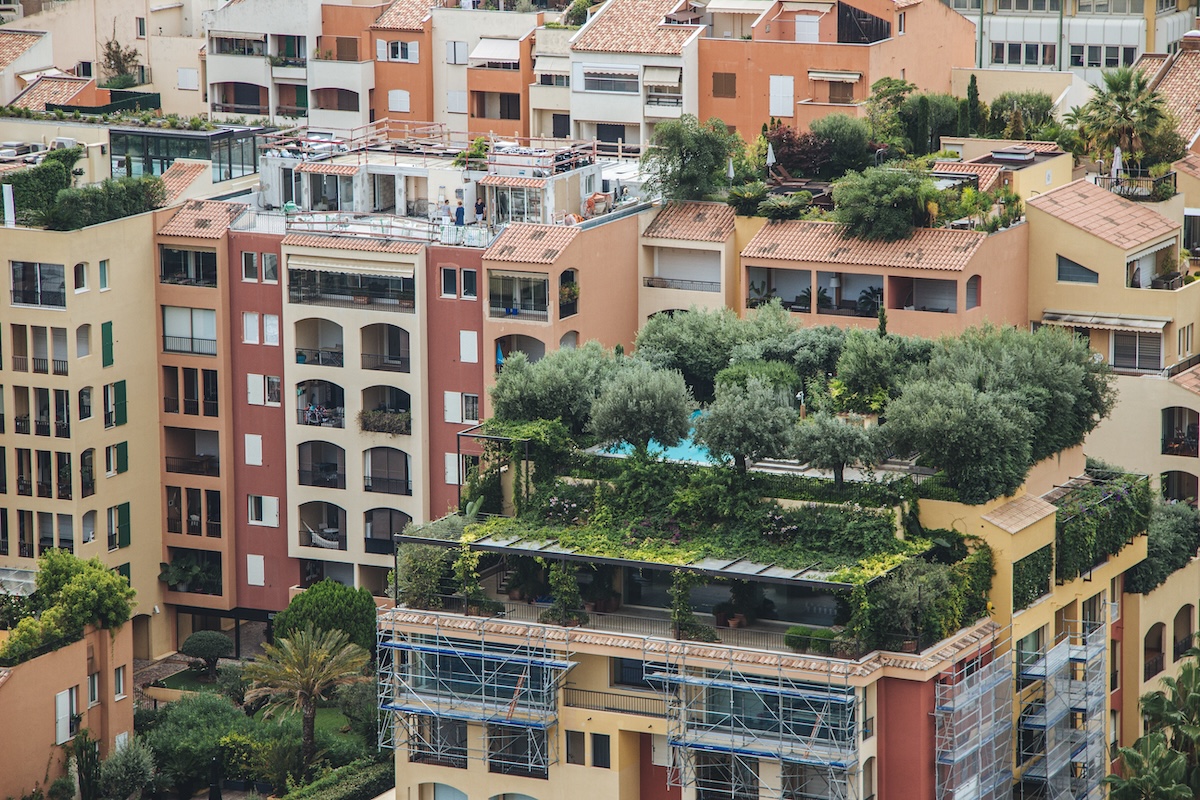
This city promotes green areas among its buildings. They have a real estate development master plan where it will include comprehensive spaces for living, working, sports and leisure activities, so its infrastructure is equipped with a 16,000 m² central park, bike paths, hydraulic network, sanitary network, water treatment plant, electricity grid, communication network with 5G technology and lighting.
Aguascalientes stands out for having the better garbage collection, paving, clean water, sanitation and drainage services. In addition, It is the second most sustainable city in the country, behind Guadalajara. According to the 2018 Sustainable Cities Index prepared by the Center for Economic Research and Teaching and the Mexican Institute for Competitiveness. This name is due to various actions that they have implemented in recent years, such as:
Guadalajara It is the city in Mexico with the highest average of compliance with Sustainable Development Goals (SDGs). This is highlighted by the Sustainable Cities Index 2018. Because It has different sustainable energy systems for buildings and public lighting: for example, in 2016 the building of the Institute for Statistical and Geographic Information in Zapopan was awarded as a building capable of reducing gas, water and electricity consumption. In addition, it has mobility programs to promote sustainable transport.
In Puebla there are projects to take advantage of solar energy using photovoltaic panels; and, there are laws to protect green spaces and thus mitigate the environmental impact of carbon emissions.
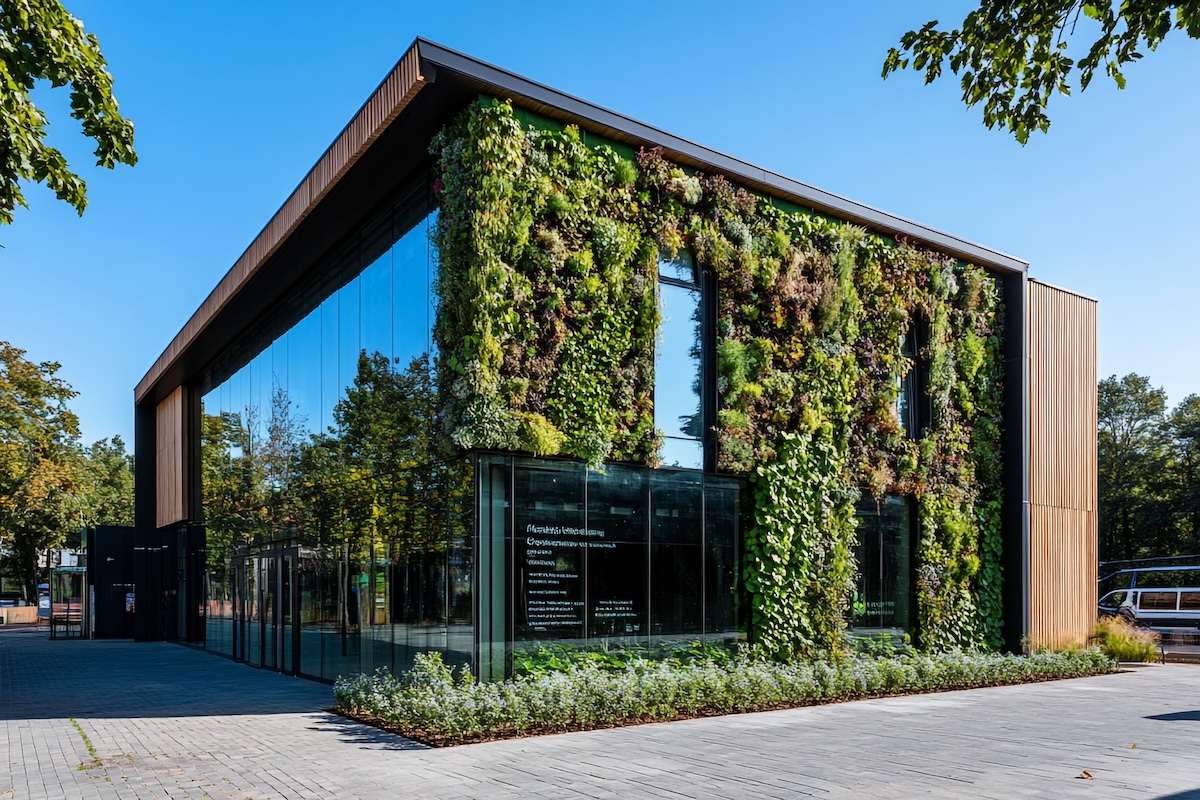
Mexico City has also focused on the establishment and extension of bike paths that reduce the risk of crowding and promote the efficient use of bicycles. In addition, the most populated city in Mexico has green buildings, whose characteristic is to capture different types of clean energy, such as solar or wind energy. The BBVA Tower, Torre Reforma and Torre HSBC are some examples.
You can also view:
We have seen that there are several green cities in Mexico, some more advanced than others. And you, do you know of any green projects in Mexico that have captured your attention?
Leaf Global. Copyright © 2026. All rights reserved.