Sustainable Construction and Insulating Materials
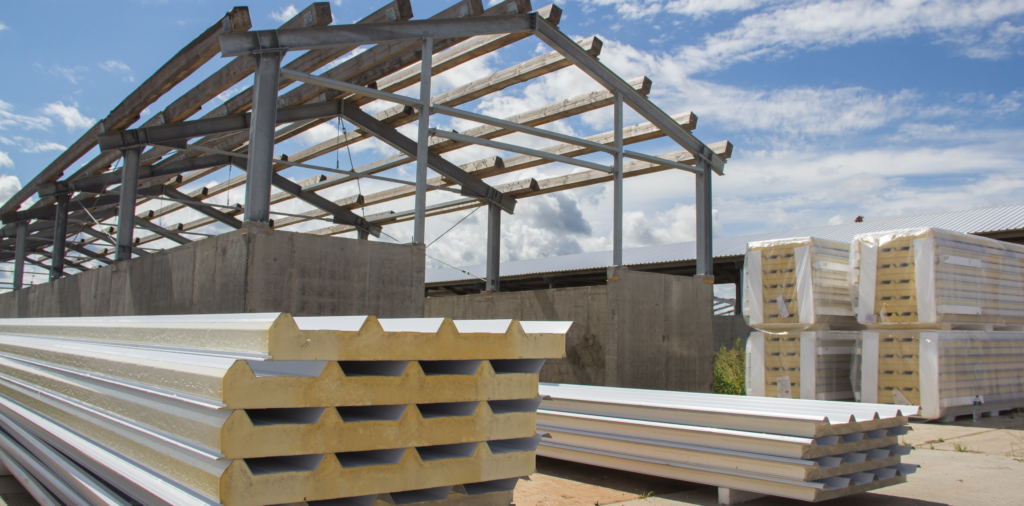
In the field of sustainable construction, insulating materials play a fundamental role in contributing to the creation of efficient and environmentally friendly buildings. These materials not only fulfill the traditional function of providing a thermal barrier, but are also closely aligned with sustainable construction practices and internationally recognized certifications, such as LEED and EDGE.
Within the framework of sustainable construction, the choice of ecological insulation materials, such as sheep's wool, expanded perlite, hemp, and others, has become a priority. Not only do these materials offer effective thermal performance, but they also have environmentally responsible properties. The use of these insulators contributes to reducing environmental impact and promoting a healthy indoor environment.
Eco-friendly Insulating Materials
- Sheep Wool
- Thermal Conductivity: 0.035 — 0.040 W/mK
- Fire Resistance: Baja
- Moisture Resistance: Alta
- Expanded Perlite
- Thermal Conductivity: 0.040 — 0.050 W/mK
- Fire Resistance: Media
- Moisture Resistance: Alta
- Algodón
- Thermal Conductivity: 0.039 — 0.040 W/mK
- Fire Resistance: Baja
- Moisture Resistance: Baja
- Hemp
- Thermal Conductivity: 0.040 — 0.050 W/mK
- Fire Resistance: Media
- Moisture Resistance: Alta
- Cork
- Thermal Conductivity: 0.036 — 0.040 W/mK
- Fire Resistance: Alta
- Moisture Resistance: Alta
- Cellulose
- Thermal Conductivity: 0.035 — 0.040 W/mK
- Fire Resistance: Media
- Moisture Resistance: Baja
- Coconut Fibre
- Thermal Conductivity: 0.040 — 0.070 W/mK
- Fire Resistance: Baja
- Moisture Resistance: Baja
- Linen
- Thermal Conductivity: 0.035 — 0.150 W/mK
- Fire Resistance: Media
- Moisture Resistance: Media
- Wood Chips
- Thermal Conductivity: 0.038 — 0.050 W/mK
- Fire Resistance: Baja
- Moisture Resistance: Baja
Non-Eco-friendly Insulating Materials
- Lana de Roca
- Thermal Conductivity: 0.035 — 0.040 W/mK
- Fire Resistance: Alta
- Moisture Resistance: Media
- Glass Wool
- Thermal Conductivity: 0.032 — 0.040 W/mK
- Fire Resistance: Media
- Moisture Resistance: Baja
- Expanded Polystyrene
- Thermal Conductivity: 0.030 — 0.035 W/mK
- Fire Resistance: Baja
- Moisture Resistance: Alta
- Extruded Polystyrene
- Thermal Conductivity: 0.029 — 0.038 W/mK
- Fire Resistance: Baja
- Moisture Resistance: Alta
- polyurethane
- Thermal Conductivity: 0.020 — 0.026 W/mK
- Fire Resistance: Media
- Moisture Resistance: Alta
- Cellular Glass
- Thermal Conductivity: 0.040 — 0.050 W/mK
- Fire Resistance: Alta
- Moisture Resistance: Alta
It should be noted that the thermal conductivity values are approximate because they depend on the manufacturer and the thermal insulation.