What is the city of the future will be like?

Home

>

Blog

>

What is the city of the future will be like?

Impact of cities on energy consumption and carbon emissions

In fact, the cities account for up to 80% of energy consumption and at least 70% of carbon emissions. In addition, it is estimated that for the 2050 the urban population will be 6.5 billion people. Alarming figures that have forced several countries to have main objective What: The urban development is in harmony with sustainable development.
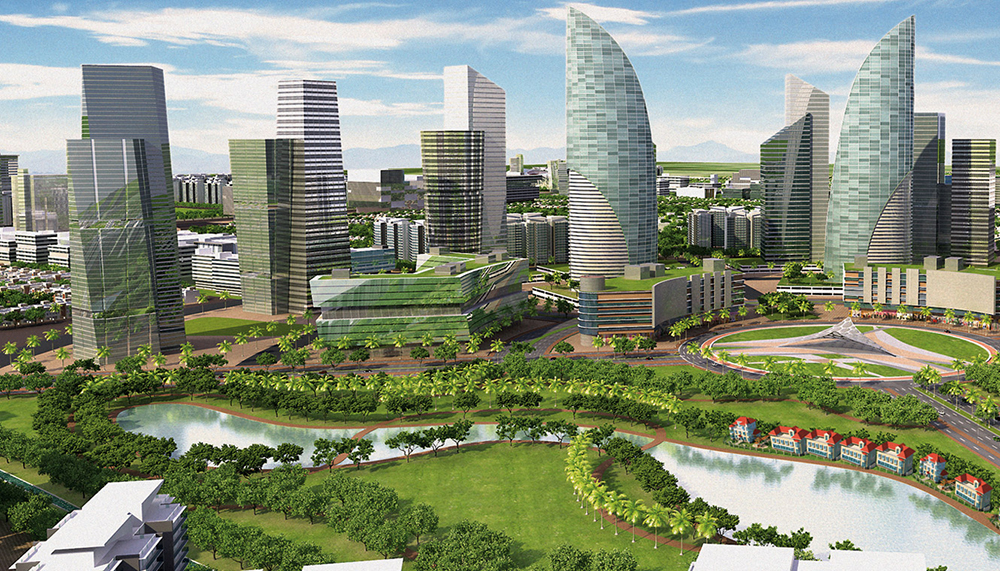
Features that a city of the future will have

Below we will describe what Features will a city of the future have:

  • ENERGY EFFICIENCY Systems in every building.
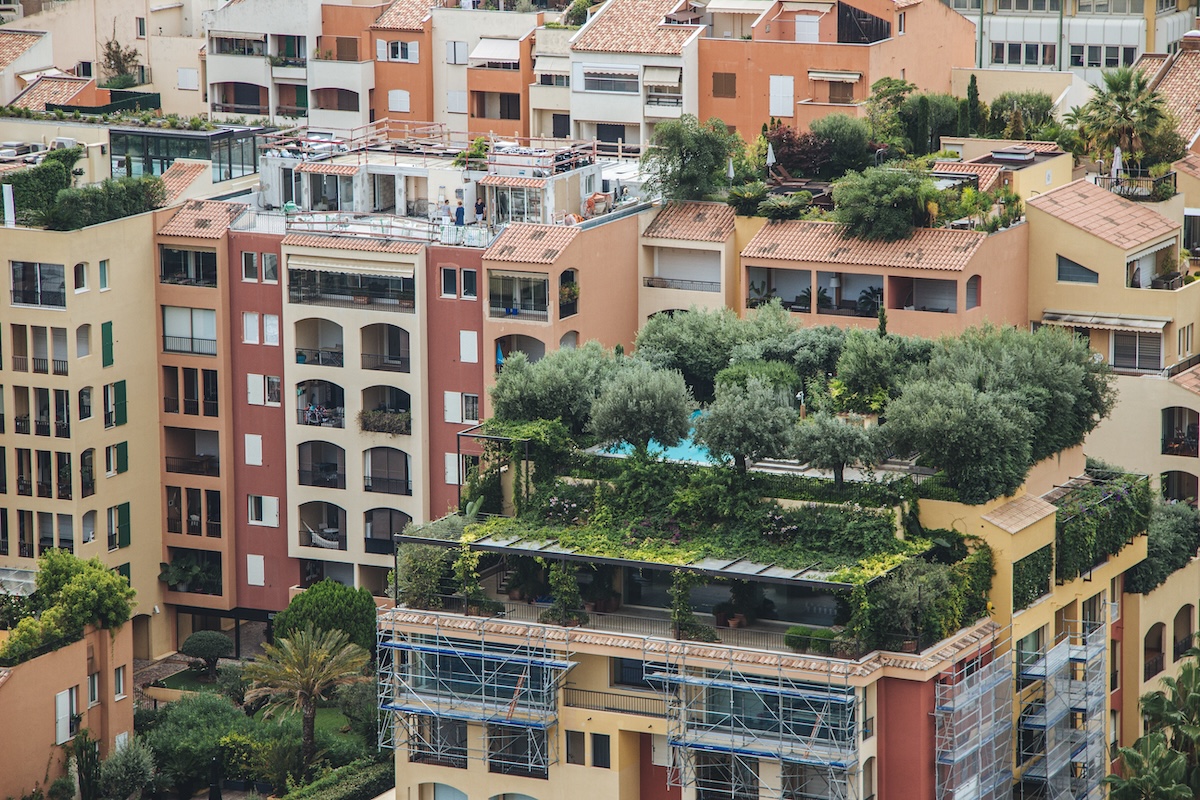
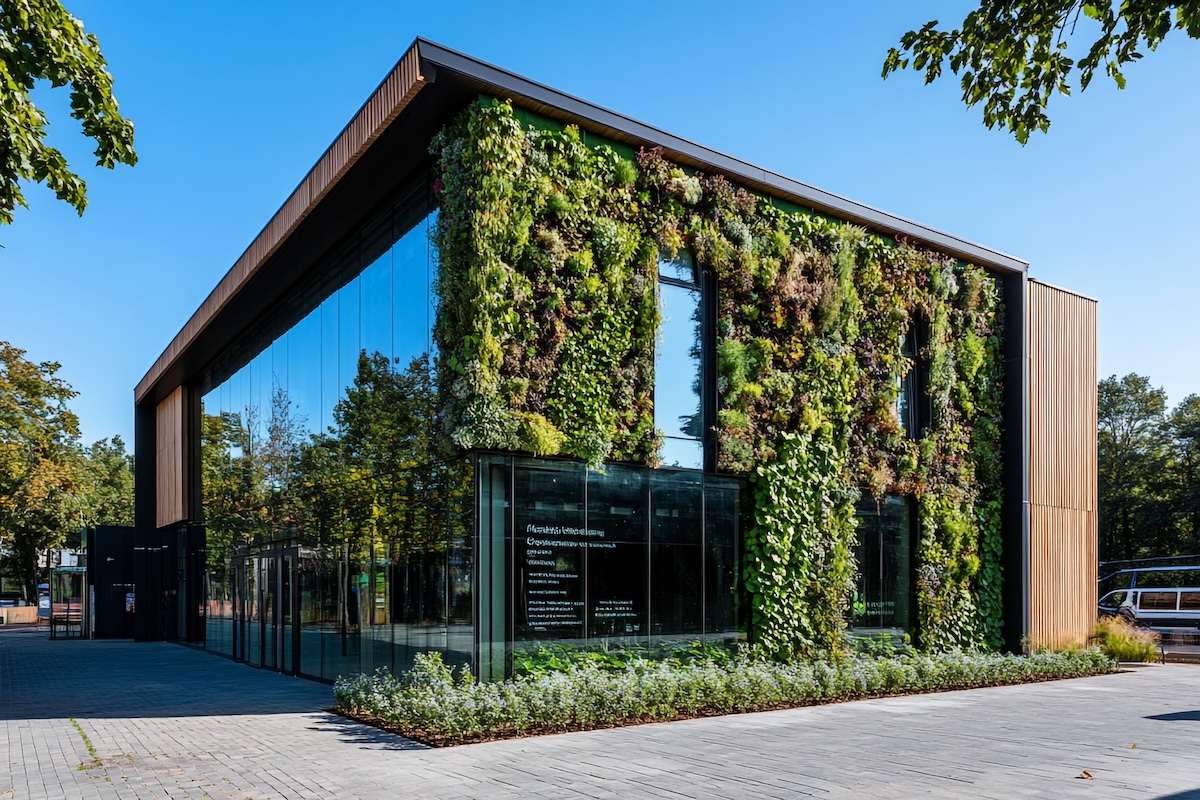
  • Green Spaces on the roofs of buildings and control of the emission of CO₂.
  • Waste collection and treatment system based on CIRCULAR ECONOMY. Elements, or parts of them, that may have a second use will be recycled.
  • Within the city there will be sources of RENEWABLE ENERGY: Solar, wind power, among others.
  • Vehicles of Zero emission with up to 100% renewable energy.
  • Increased access to pedestrians: superblocks or pedestrian streets.
  • Automatic sensors that capture data, such as: Traffic status, level of pollution, need for humidity, and more.
  • Automation irrigation, lighting, parking, among others.
  • Commitment to diversity of the use of public space.

If you want to know which cities are achieving sustainable urban development, visit our article: 12 most sustainable cities in the world.

Si quieres recibir este ebook,
¡suscríbete!

Portada de ebook azul con texto sobre oportunidades de financiamiento para construcción sostenible en América Latina y logo de Leaf.

Para Leaf, tu privacidad es fundamental. Por eso, utilizamos los datos que nos proporcionas para acercarte novedades e información relevante. Al descargar, muestras tu conformidad con ello. Puedes cancelar tu suscripción en cualquier momento.

Thank you! Your submission has been received!
Oops! Something went wrong while submitting the form.
LEED Certification in LATAM: step-by-step process, costs and timelines

LEED certification in Latin America has become a key driver of value, efficiency and market differentiation in real estate projects. This article explains what LEED certification is, how the process works in LATAM, the main stages, real costs and timelines, and its impact on asset value and resale potential. A practical guide for developers, investors and project teams seeking sustainable construction under international standards.

EDGE Certification: The Fastest Way to Build an Efficient Building

EDGE certification is one of the fastest and most effective ways to create efficient buildings, reduce energy, water, and material consumption, and increase property resale value. Developed by the International Finance Corporation (IFC), part of the World Bank Group, EDGE helps real estate projects lower their environmental impact, reduce operating costs, and support decarbonization efforts. With a streamlined and measurable process, EDGE has become a strategic certification for developers and investors seeking sustainability, profitability, and market differentiation.

Sustainable certifications in Mexico: current overview and trends

Sustainable certifications in Mexico are gaining prominence as a key tool for companies and projects that seek to demonstrate their environmental, social and governance commitment. They are no longer limited to construction alone, but encompass complete processes, operations, products and business models.

Logo with the word 'leaf' in white and text 'Sostenibilidad para todos' in blue next to two green leaves.

PERU

PANAMA

COLOMBIA

CHILE

CHINA

MEXICO

CDMX

Monterey

FOLLOW US ON

Instagram logo
Logo facebookLogotipo de LinkedIn en blanco sobre fondo azul.