He leads projects and consulting services under LEED, EDGE, and FITWEL standards, integrating facade optimization strategies, life cycle assessments, and energy modeling to develop high-performance buildings.

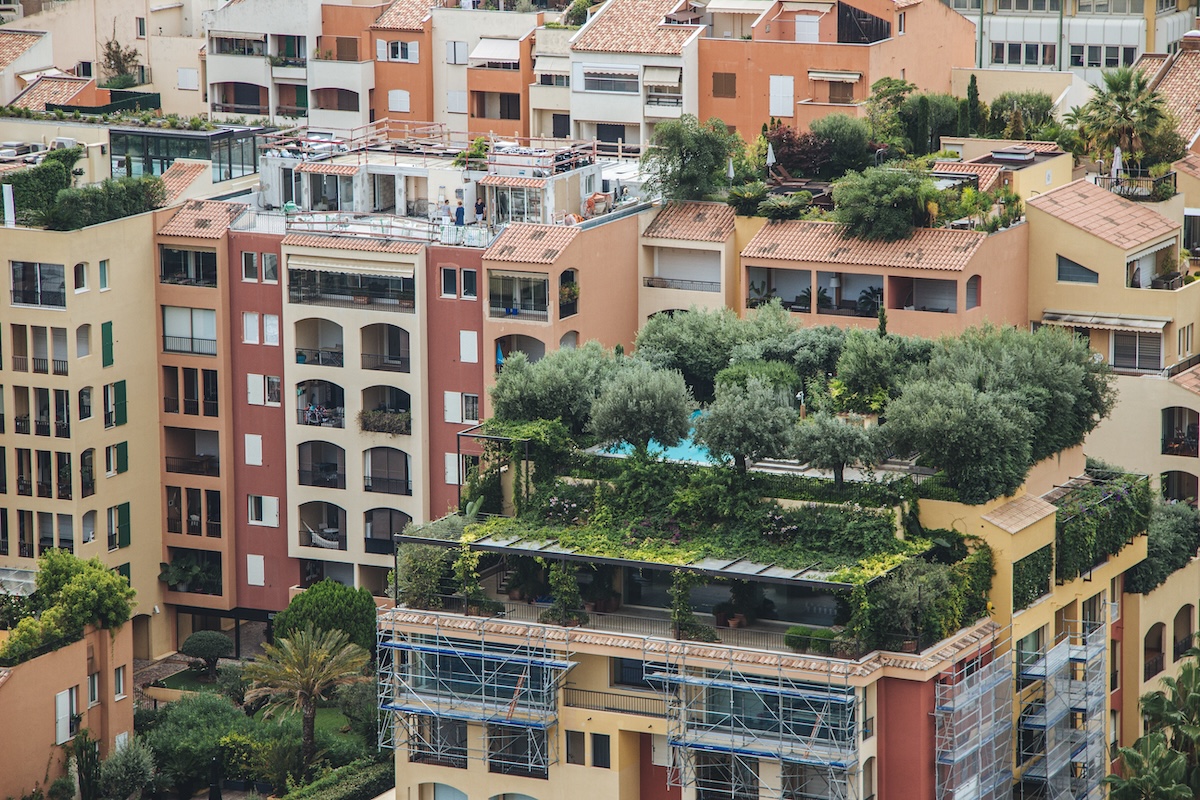
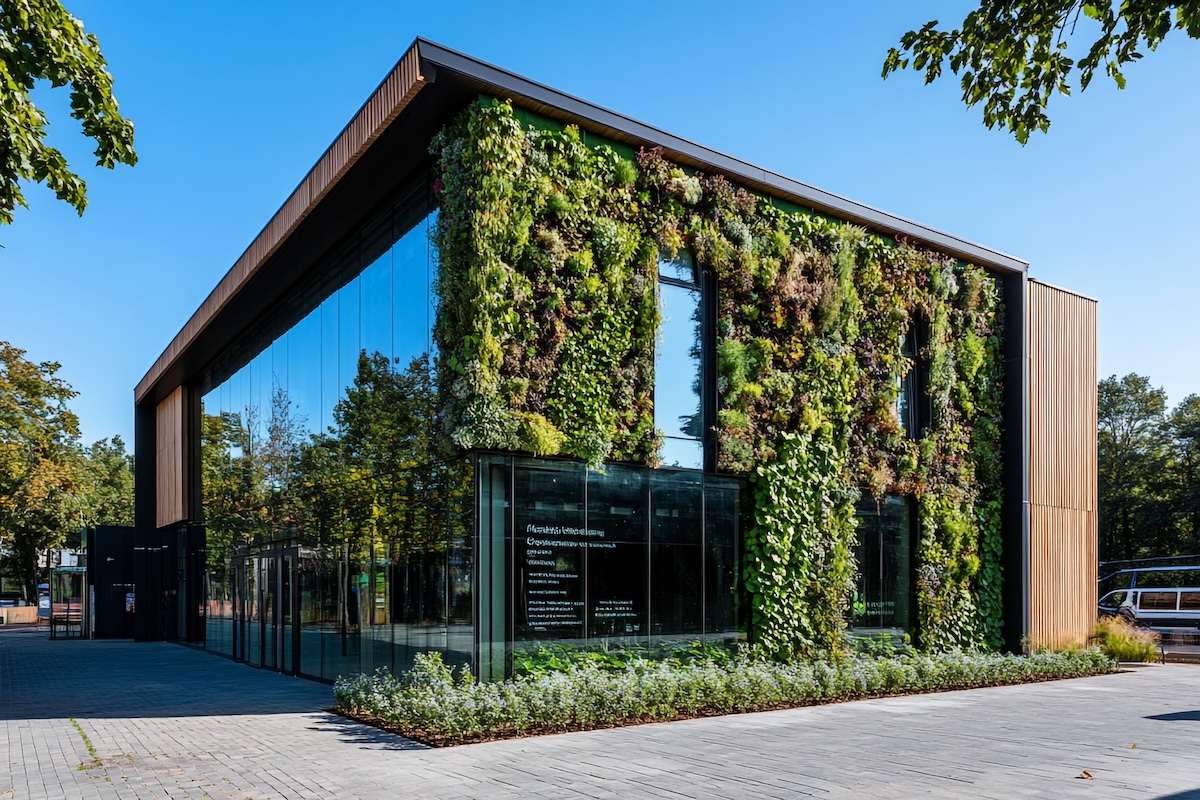
The EDGE green building certification system comes from the English Excellence in Design for Greater Efficiencies and was created by the IFC - a member of the World Bank. Originally, it was designed to promote sustainable development in emerging markets and was only available in certain countries. With this update, EDGE version 3 is available in all countries. In addition, more strategies are incorporated into the tool used for building evaluation “EDGE App”, such as LED lighting, green roofs and different renewable energy systems.
The incentives are commercial and financial, plus the results, environmental. EDGE helps mitigate climate change by encouraging resource-efficient development.
In addition, EDGE has been expanded to include the full stage of a building's life cycle, allowing existing buildings and major renovations to be certified in addition to new construction.
Are you developing a project and need advice to obtain a sustainable certificate? Contact us here
Sustainability and Wellness Specialist | CEO of LEAF S.A.C. | Director of GBC Pe | LEED AP BD+C | LEED Faculty | WELL AP | WELL Faculty | EDGE Auditor | EDGE Expert | EDGE Trainer | Task Force on Covid-19 Member
Leaf Global. Copyright © 2026. All rights reserved.