He leads projects and consulting services under LEED, EDGE, and FITWEL standards, integrating facade optimization strategies, life cycle assessments, and energy modeling to develop high-performance buildings.
Learn how much LEED certification costs in LATAM in 2026, including real costs, key factors, and the ROI of sustainable buildings.
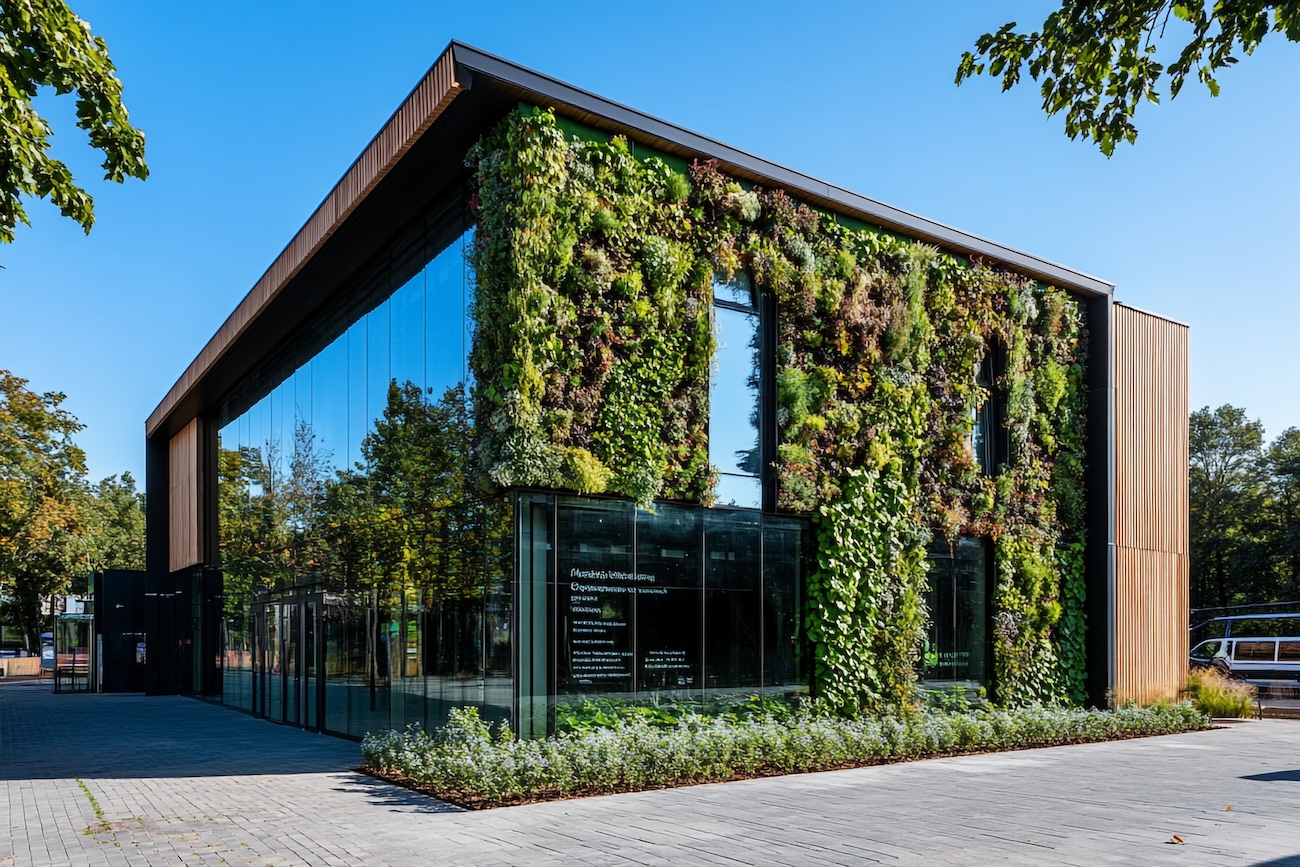
LEED certification has become the most widely recognized standard for sustainable construction worldwide. Across Latin America, developers, investors, and companies are increasingly pursuing LEED to improve environmental performance and enhance the value of their real estate assets.
However, one of the most common questions remains: how much does LEED certification cost in LATAM in 2026?
The answer is not one-size-fits-all. Costs vary depending on project type, size, certification level, and design strategy. In this article, we break down all the costs involved, how to optimize them, and what kind of return on investment you can expect.
LEED (Leadership in Energy and Environmental Design) is a certification system developed by the U.S. Green Building Council (USGBC). It evaluates building performance across key categories such as:
In LATAM, LEED has become a key differentiator for real estate projects, especially in markets like Mexico, Brazil, Chile, and Colombia.
The total cost of LEED certification is made up of several components. In general, projects can expect to invest:
USD $30,000 to $150,000+, depending on the project
This includes:
Understanding how these costs break down is critical for planning your project.
The first step is registering the project through the LEED platform.
Fees vary depending on project size and rating system (BD+C, O+M, ID+C).
These fees are set by the USGBC.
One of the most important cost components is specialized consulting.
A LEED consultant is responsible for:
Estimated cost:
USD $15,000 – $80,000+
This depends on project complexity, size, and desired certification level.
To meet LEED requirements, technical studies are necessary, including:
Estimated cost:
USD $5,000 – $25,000
These studies are essential for optimizing building performance.
A common concern is whether LEED significantly increases construction costs.
LEED can increase costs by approximately 1% to 5% of total CAPEX
This depends on:
When integrated early in the design process, cost increases can be minimized or even neutral.
Each type has different requirements and cost implications.
Higher levels require more credits and greater investment.
Larger projects can dilute fixed costs, reducing the cost per square meter.
A well-planned strategy from the beginning can significantly reduce overall costs.
There are several strategies to optimize costs:
A strong strategy can reduce costs without compromising certification level.
Beyond cost, the key question is return.
LEED-certified buildings typically achieve:
Studies show that LEED-certified assets can increase in value by 5% to 20%.
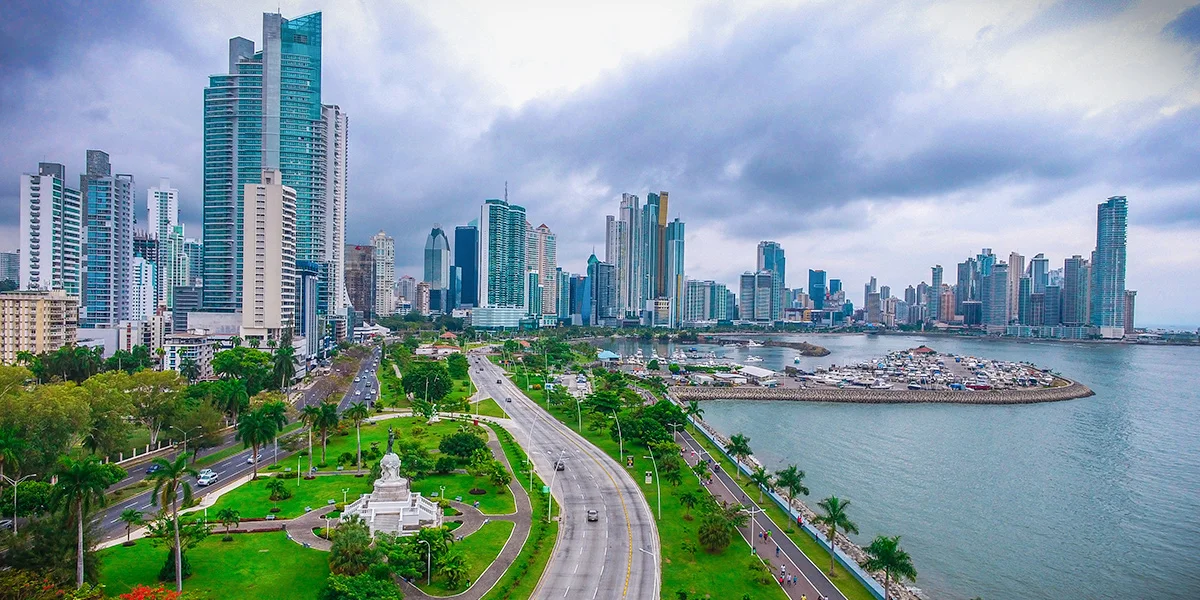
The growth of LEED across LATAM is clear.
Countries such as:
have significantly increased their number of certified projects.
Sustainability is no longer optional — it is a competitive necessity.
Yes — especially in LATAM.
In a context where:
LEED certification becomes a strategic tool to:
At Leaf, we help developers:
Our approach ensures that certification is not just a cost, but a value-generating investment.
The cost of LEED certification in LATAM in 2026 varies depending on the project, but it should always be viewed as a strategic investment.
More than a cost, LEED enables developers to:
In an increasingly competitive real estate market, certified projects are leading the future.
Leaf Global. Copyright © 2026. All rights reserved.