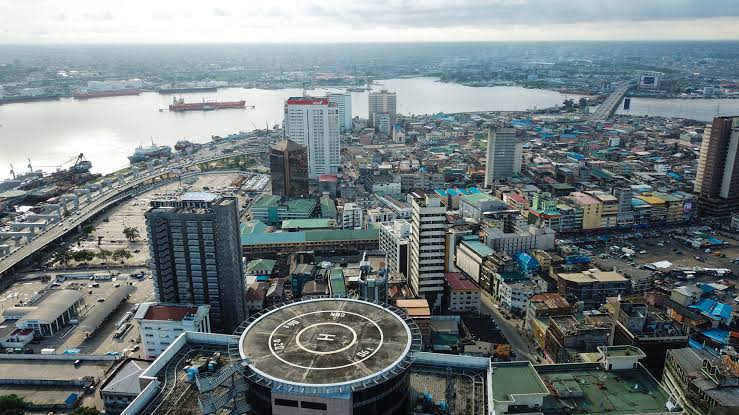
Lagos relies heavily on diesel generators to make up for frequent national grid outages, and those same generators, poorly placed or poorly ventilated, end up pumping particulate matter and combustion gases into the air circulating inside the building — the exact opposite of what any corporate wellness strategy aims for. At the same time, Lagos has established itself as Africa's largest fintech hub, with startups and banks aggressively competing for the same small pool of senior engineers and specialists, while international companies with offices in Nigeria face pressure from headquarters to demonstrate verifiable occupational health standards. WELL answers both fronts: it certifies that indoor air is protected from internal pollution sources like generators, and gives companies a concrete employer-branding argument in an increasingly competitive talent market.
Internal pollution source diagnosis: we assess the location and ventilation of backup generators and other internal emission sources against WELL's Air concept requirements.
Concept-based strategy: we prioritize Air, Thermal Comfort, and Mind, the concepts most relevant to Lagos's energy and labor context.
On-site performance verification: we coordinate the physical air and water quality tests an IWBI-accredited performance testing agent carries out in the building before certification.
GBCI certification and three-year recertification: we manage seal issuance and the three-year recertification cycle that keeps the credential active.
IWBI's fees are calculated by built-area range, plus the cost of on-site performance verification — physical air and water quality tests — exclusive to WELL. In Lagos, much of the additional budget compared to other markets goes toward redesigning the location and ventilation of backup generators so they don't pollute indoor air. The full process takes 12 to 18 months from registration and requires recertification every three years.

Yes. WELL's Air concept requires identifying and controlling internal pollution sources, including the location of generators and combustion systems, to prevent their emissions from entering the building's ventilation system.
Very relevant. In a sector where retaining senior engineers and specialists is a constant challenge, a WELL-certified building is a tangible employer-branding credential against competitors offering only generic perks.
Yes. WELL doesn't require uninterrupted power — it requires that backup systems maintain healthy air and thermal comfort conditions during interruptions, a design requirement, not a national grid infrastructure one.
Leaf Global. Copyright © 2026. All rights reserved.