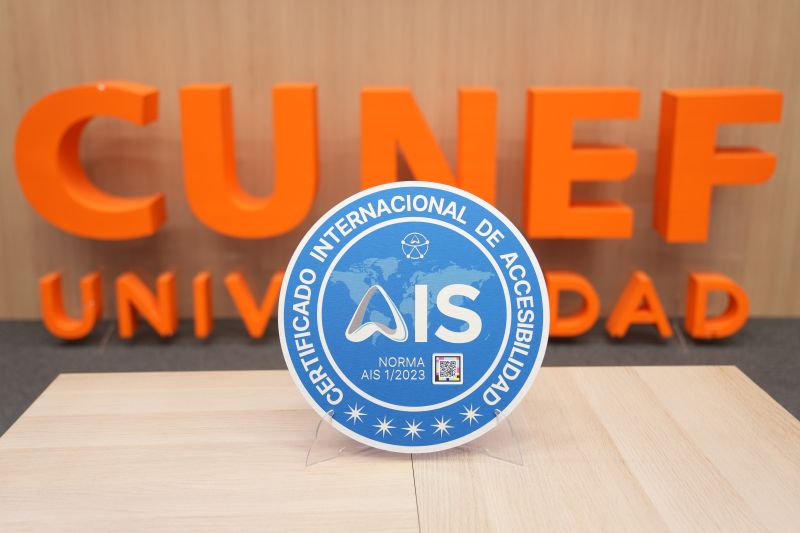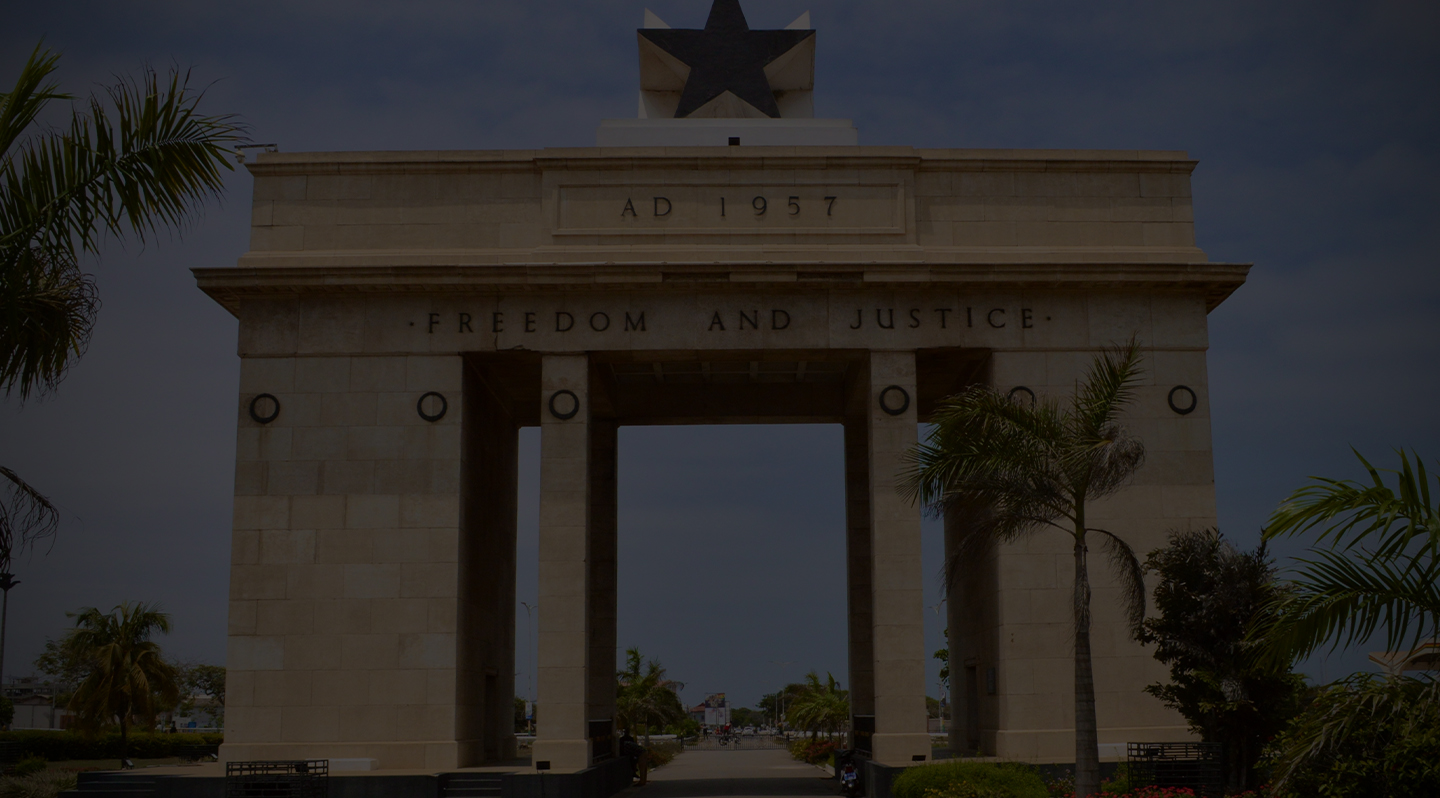
When Ghana passed the Persons with Disability Act (Act 715) in 2006, it gave owners of public buildings a ten-year window to make them accessible. That window closed in 2016, and a walk around Accra or Kumasi today shows that most offices, banks, hospitals and shopping centers still have steps at the entrance, ramps without handrails and restrooms too small for a wheelchair. The 2021 Census counted more than 2 million Ghanaians with disabilities, around 8% of the population, and the 2018 Ghana Building Code added accessibility requirements that many projects still don't apply. For developers, banks and multinationals operating in the country, that's a growing risk, as the National Council on Persons with Disability and advocacy groups push harder for compliance, and also a chance to stand out. AIS certification, from Fundación ARS, assesses the building in use against international criteria and recognizes it with 1 to 5 stars published in a public registry.
On-site assessment: we walk the building from the street and parking to the emergency exit, measuring entrances, ramps, lifts, restrooms, counters and signage against AIS criteria, Act 715 and the Ghana Building Code.
Prioritized improvement plan: we rank gaps by impact and cost, with solutions local contractors can deliver and that respect the owner's budget.
Implementation and training: we support the upgrades and train reception and security staff to assist and evacuate people with different disabilities, including during power cuts that stop the lifts.
Certification and registry: we manage verification with Fundación ARS, which issues the certificate with its star rating and publishes it in the AIS Public Registry.
The cost of AIS depends on the type of asset (physical space, website or product), its size and its complexity, and includes the authorized advisor's assessment and support plus Fundación ARS certification fees. Investment in upgrades is the most variable part: in existing offices, banks and shops, many gaps are closed with ramps, handrails, signage, grab bars and restroom adjustments, and only some require construction. For an operating building with minor upgrades, the process usually takes 3 to 6 months from assessment to certificate.

Yes. The ten-year window applied precisely to existing public buildings, and it has closed. The AIS assessment identifies what's missing and prioritizes the upgrades, so you can move forward in phases and demonstrate your efforts with technical backing.
Offices, banks, hotels, hospitals and clinics, universities, shopping centers and airports, among others. AIS also certifies websites and digital products, which matters for banks and fintechs serving customers with visual impairments through mobile channels.
They're considered in the assessment. If a building relies on lifts for accessibility, we check for backup power, refuge areas and procedures to evacuate people who can't use the stairs. It's a real operating condition in Ghana, and AIS takes it into account.
Leaf Global. Copyright © 2026. All rights reserved.