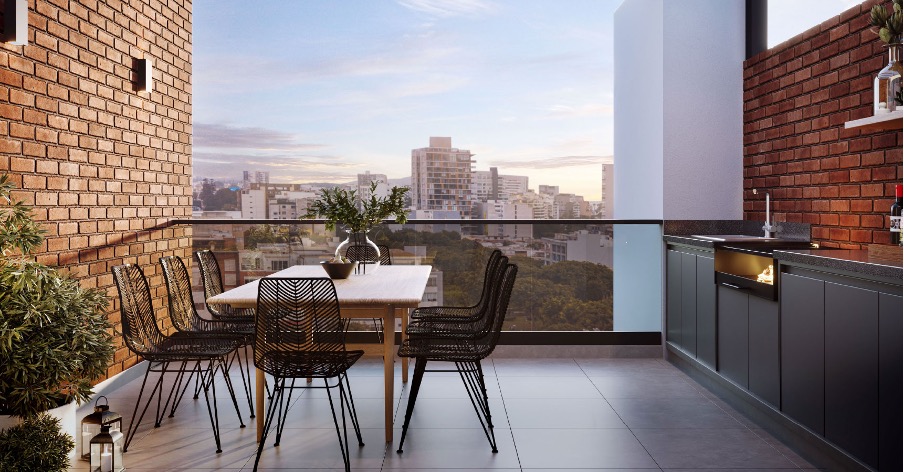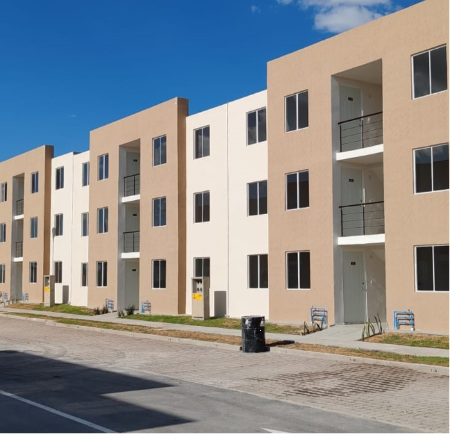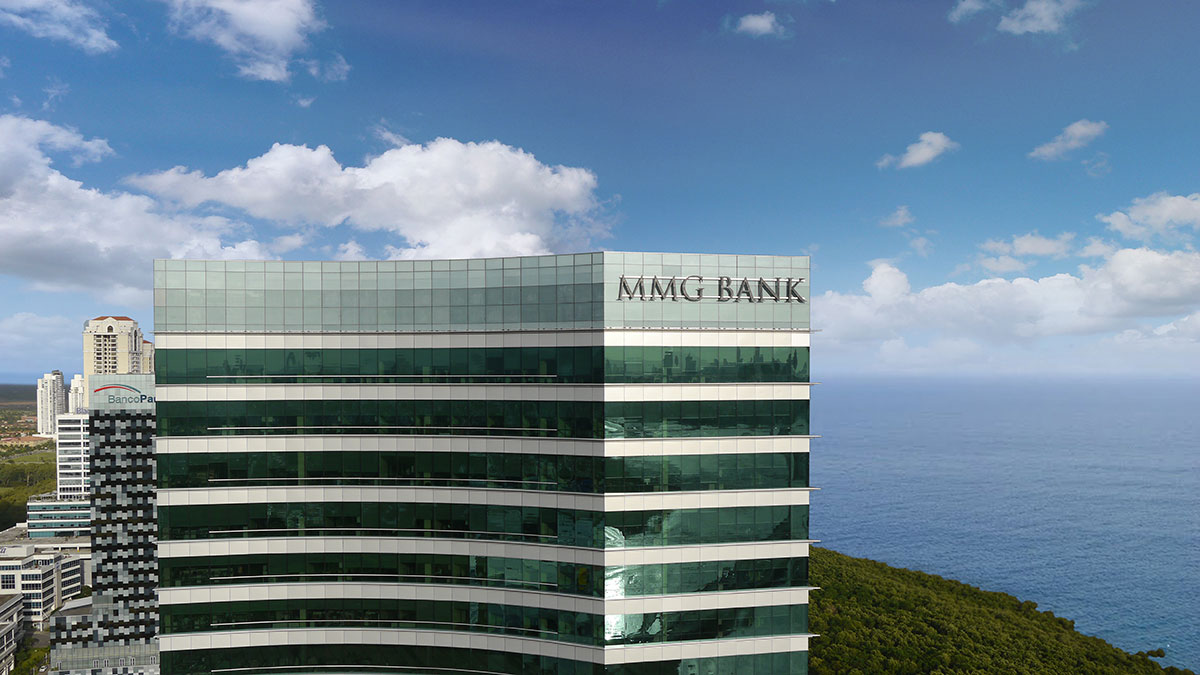
An office worker in Lima can spend two hours a day in traffic and another eight in front of a screen, with lunch handled by whatever delivery app is closest. According to INEI, more than 60% of Peruvians aged 15 and over are overweight or obese, and companies feel it in sick leave, afternoon slumps and turnover. Fitwel was born in the U.S. public sector, developed by the CDC (Centers for Disease Control and Prevention) and the GSA, to tackle that problem through the building itself: stairs people actually want to use, easy access to drinking water, bike parking, healthy food options, lactation rooms and clear emergency plans in an earthquake-prone country. It requires no lab testing or major works: certification is based on design and policies, which makes it achievable for existing buildings in San Isidro, Miraflores or Surco that already hold LEED or EDGE and want to add the people dimension.
Scorecard assessment: we review the building against the Fitwel scorecard that applies —workplace, multifamily residential or retail— and flag the strategies it already meets at no extra cost.
Registration and roadmap: we register the project on the Fitwel portal and set the target level, from one to three stars, prioritizing what has the most impact on people at the lowest cost.
Policies and physical upgrades: we draft with your team the policies on healthy food, smoke-free spaces, lactation and emergencies, and coordinate upgrades such as stair signage, water stations or bike racks.
Review and certification: Fitwel reviews the documentation and issues the certification, valid for three years. We also handle recertification so the seal doesn't lapse.
Fitwel charges a registration fee and a per-building certification fee, with special terms when an entire portfolio is certified. Since it requires neither on-site performance testing nor mandatory prerequisites, the total cost is usually a fraction of WELL's. Most of the investment goes into policies and minor upgrades —water stations, bike racks, signage, break-area furniture— rather than construction. For an existing building, the process takes 4 to 8 months on average from registration to certification, which is valid for three years.

Both certify health and wellbeing, but with different logic. WELL has mandatory prerequisites and requires on-site air and water testing, which makes it more exhaustive and more expensive. Fitwel has no prerequisites, relies on documented design and policies, and costs considerably less. For an existing building taking its first serious step into wellbeing, Fitwel is usually the more realistic starting point.
Yes, and it's a common combination. LEED and EDGE measure energy, water and materials; Fitwel measures what the building does for the people who use it. Several strategies overlap, such as access to public transit or bike parking, so part of the documentation already exists.
Yes. Fitwel has specific scorecards for multi-tenant buildings, covering either the whole building or only the common areas the owner controls. That's one reason it is so widely used in existing office towers.
Leaf Global. Copyright © 2026. All rights reserved.