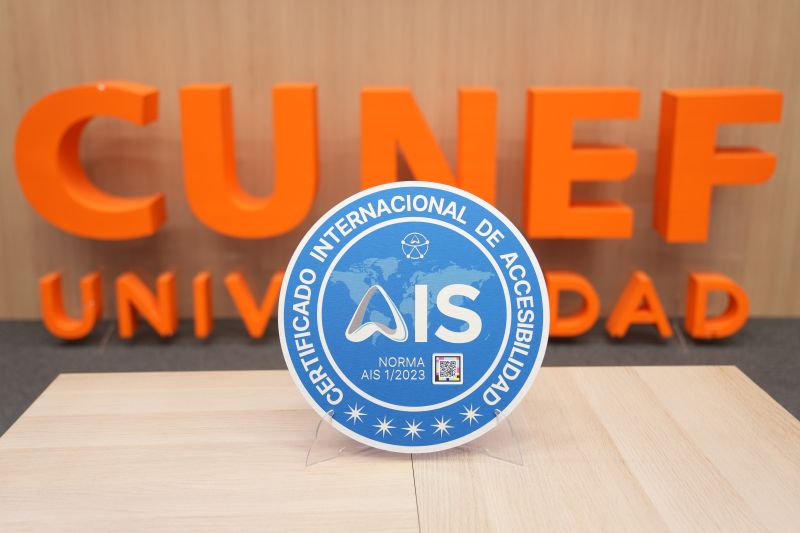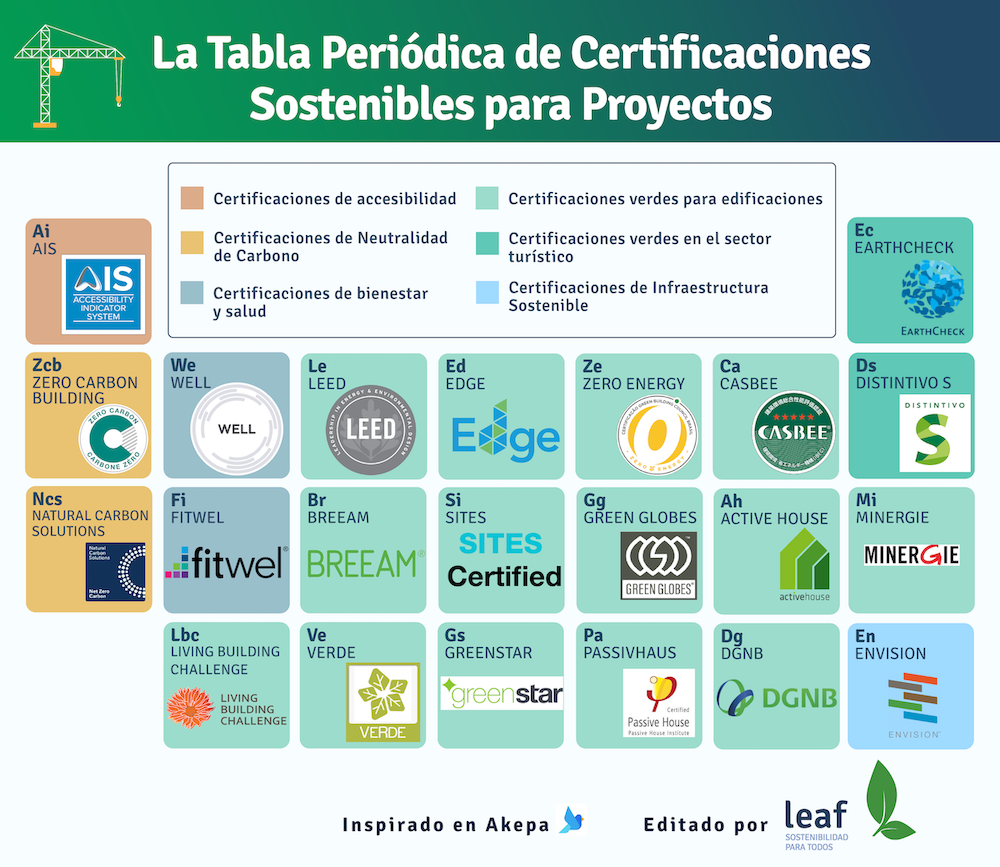
In industry, accessibility is usually seen as an office issue, until the quota arrives. Peru requires 3% of employees to be people with disabilities in private companies with more than 50 workers, Brazil between 2% and 5% in companies with 100 or more, Chile 1%, and in South Africa B-BBEE rewards their inclusion. Many plants comply on paper and fail in operation: changing rooms on the second floor with no elevator, cafeterias with steps, restrooms a wheelchair can't enter, aisles blocked by pallets and, above all, alarms that only sound. A deaf operator won't hear the evacuation siren, and a worker with reduced mobility can't use the emergency stairs of a warehouse with a mezzanine. That gap ends in turnover, safety risks and audit findings from multinational customers that require verifiable inclusion policies from their suppliers. AIS certification, from Fundación ARS, assesses the plant or logistics center from the gatehouse to workstations, support areas and evacuation, and recognizes the result with 1 to 5 stars in a public registry.
On-site assessment: we walk the plant from the gatehouse and parking to changing rooms, cafeterias, offices, workstations and escape routes, also assessing how pedestrian and machinery flows interact.
Improvement plan aligned with safety: we prioritize gaps by impact and cost and coordinate every solution with the health and safety team so it doesn't create new risks.
Implementation and training: we support the upgrades and train supervisors, emergency teams and gatehouse staff to assist and evacuate workers with physical, visual or hearing disabilities.
Certification and registry: we manage verification with Fundación ARS, which issues the certificate with its star rating and publishes it in the AIS Public Registry.
The cost of AIS depends on the type of asset (physical space, website or product), its size and its complexity, and includes the authorized advisor's assessment and support plus Fundación ARS certification fees. In existing plants and logistics centers, the most common improvements focus on accessible changing rooms, cafeterias and restrooms, visual alarms, clear escape routes, signage and ramps at level changes, rather than production areas. For an operating plant with minor upgrades, the process usually takes 3 to 6 months from assessment to certificate.

Yes, especially if the company has an inclusion quota to meet or customers who audit its diversity policies. Certification doesn't require every production area to be accessible to everyone, but it does require the route, support areas and designated workstations to work, and evacuation to account for everyone.
The assessment distinguishes between areas restricted for safety reasons and general-use areas. AIS doesn't aim to open up dangerous zones; it makes sure the spaces where people work and move, including support areas, are accessible and safe.
Yes. The owner can certify the warehouse's common areas, offices and support facilities, making it more attractive to logistics operators with global inclusion policies. The tenant can then certify its internal operation.
Leaf Global. Copyright © 2026. All rights reserved.