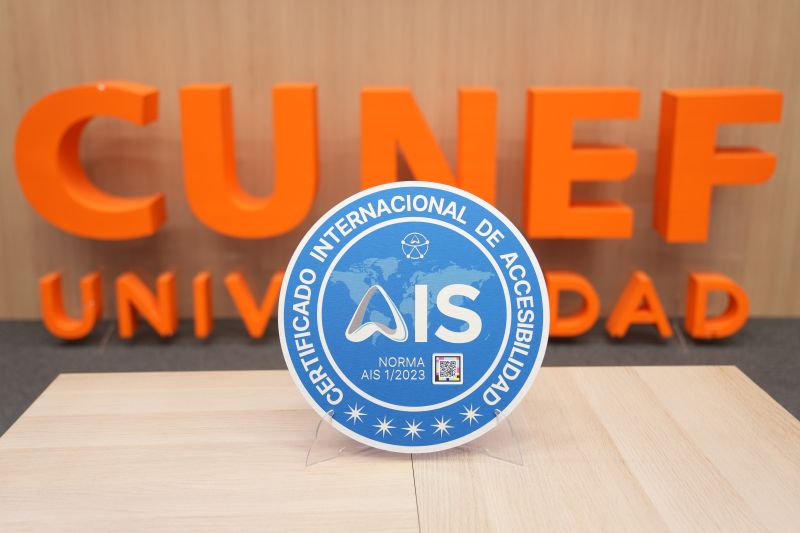
Panama built its economy on connectivity: the Canal, the Tocumen hub, the cruise terminals, the Amador convention center and dozens of multinational regional headquarters under the SEM regime. That whole model depends on welcoming people, and a growing share of them are older travelers, executives with temporary mobility issues or tourists with disabilities who plan trips around how accessible a destination is. Law 42 of 1999, amended by Law 15 of 2016, requires the removal of architectural barriers in buildings open to the public, and SENADIS promotes compliance, but in practice the sidewalks of Obarrio, the entrances to many buildings in Punta Pacífica and restaurant restrooms in Casco Antiguo are still an endurance test. For developers and operators competing for corporate tenants and high-value tourism, that gap is also an opportunity. AIS certification, from Fundación ARS, assesses the building in use against international criteria and recognizes it with 1 to 5 stars shown in a public registry.
On-site assessment: we walk the building from the parking lot or taxi drop-off to the emergency exit, measuring entrances, ramps, elevators, restrooms, counters, guest rooms and signage against AIS criteria and Law 42.
Phased improvement plan: we prioritize gaps by their impact on guests, customers or employees and by cost, scheduling upgrades so they don't disrupt operations or high season.
Implementation and training: we support the upgrades and train reception, concierge and security staff to assist and evacuate people with disabilities, in Spanish and English.
Certification and registry: we manage verification with Fundación ARS, which issues the certificate with its star rating and publishes it in the AIS Public Registry.
The cost of AIS depends on the type of asset (physical space, website or product), its size and its complexity, and includes the authorized advisor's assessment and support plus Fundación ARS certification fees. Investment in upgrades varies the most: in existing hotels, offices and shopping centers, many gaps are closed with ramps, signage, grab bars, adapted guest rooms and restroom adjustments, and only some require construction. For an operating property with minor upgrades, the process usually takes 3 to 6 months from assessment to certificate.

Very much. Guests with reduced mobility or sensory disabilities usually travel with companions, book in advance and are loyal when the experience works. AIS stars give them a verified guarantee that booking sites don't offer today, and give the hotel a concrete edge over competitors in the city and on the beach.
Yes. In heritage buildings we look for solutions compatible with protecting the property, such as removable ramps, platform lifts, alternative routes and adapted restrooms, in coordination with the heritage authority. The assessment defines which star level is achievable without affecting the building's historic value.
No, it complements it. AIS uses Panamanian legislation as a reference and adds its own criteria on aspects the law doesn't detail, such as customer service, signage and evacuation. The result is a third-party verified rating that foreign visitors and investors can recognize.
Leaf Global. Copyright © 2026. All rights reserved.