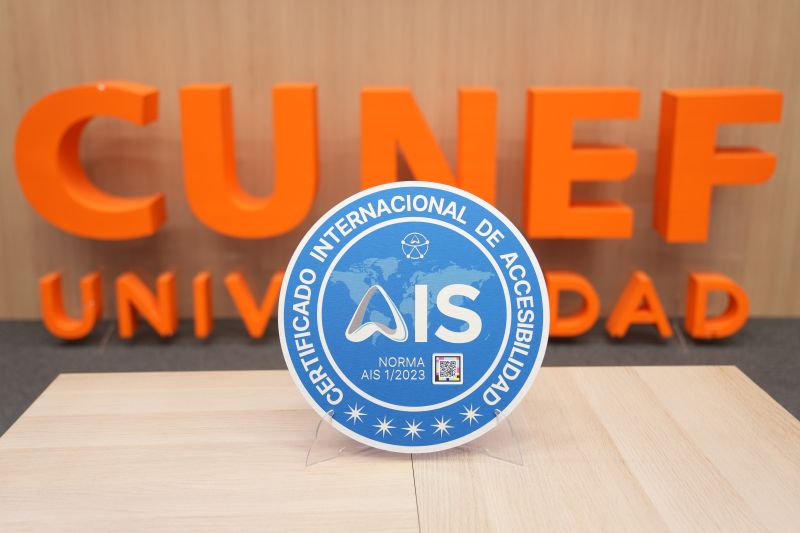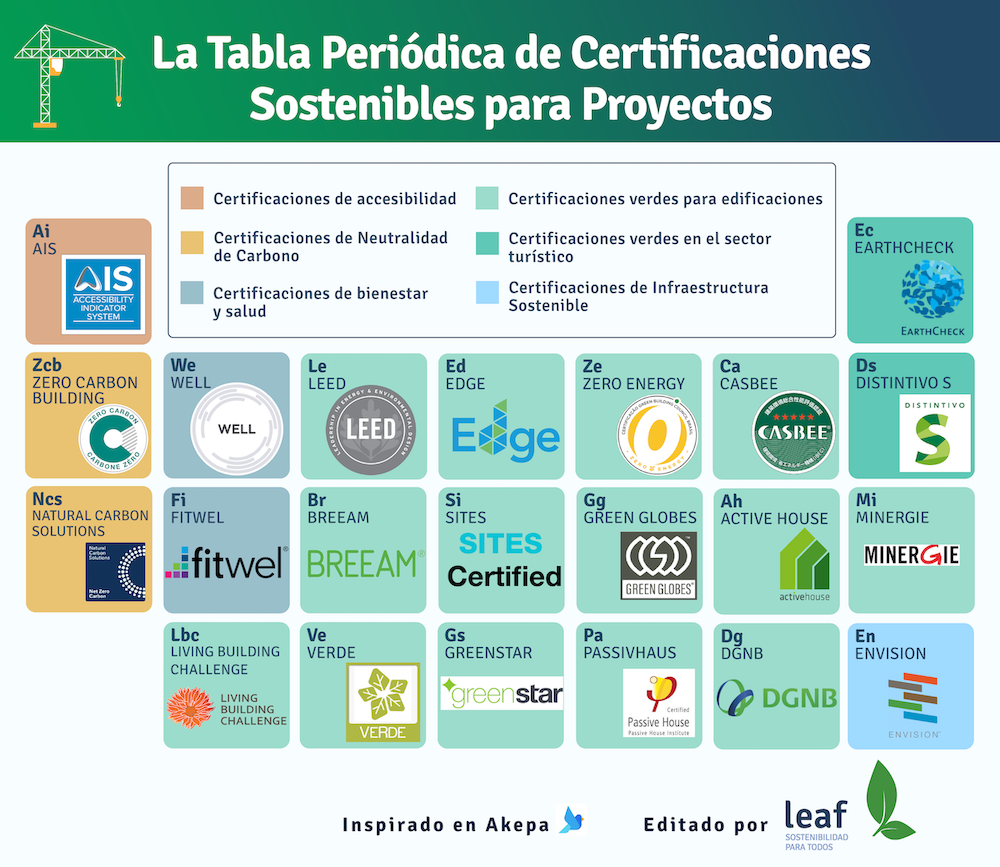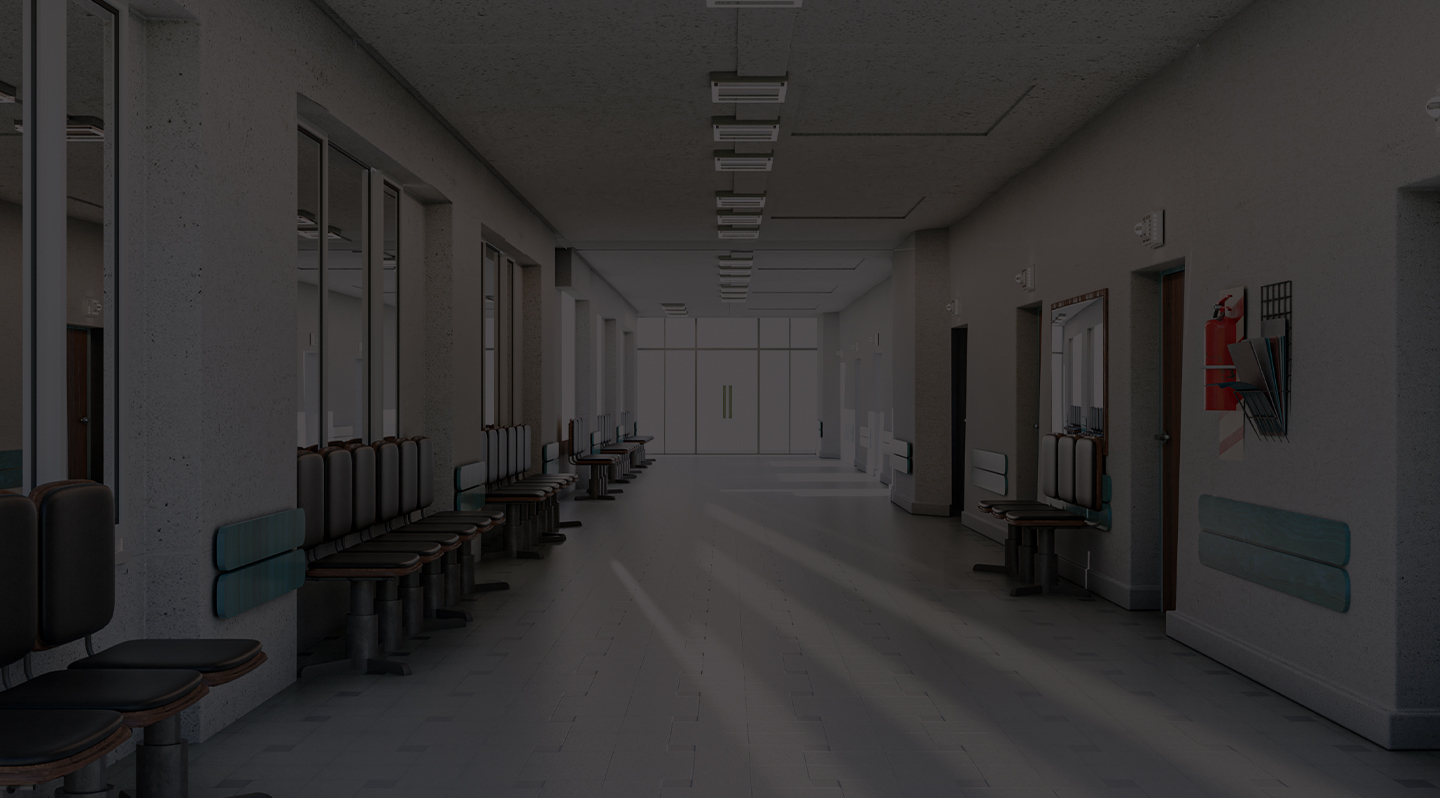
No building receives as many people with reduced mobility, pain, low vision or disorientation as a health center. Patients in wheelchairs or on crutches, older adults, pregnant women, people just out of surgery and companions with strollers come through the same door every day. Yet it's common to find clinics with steep ramps at the emergency entrance, admission counters a seated person can't reach, 'accessible' restrooms where a wheelchair can't turn, exam tables and diagnostic equipment patients can't use without being lifted, and loudspeaker calls a deaf person will never hear. Each of those barriers costs staff time, causes falls and complaints, and erodes the experience in a sector where reputation decides where families go for care and which providers insurers sign with. AIS certification, from Fundación ARS, assesses the entire health center, from parking and admissions to consulting rooms, restrooms, inpatient wards and evacuation, and recognizes the result with 1 to 5 stars in a public registry.
On-site assessment: we walk the health center the way each type of patient would, from arrival by car or ambulance through admissions, consulting rooms, labs, imaging, inpatient wards and restrooms, against AIS criteria and local health regulations.
Improvement plan that doesn't interrupt care: we prioritize gaps by clinical impact and cost, and schedule upgrades by zone and time slot so patient care isn't affected.
Implementation and staff training: we support the upgrades and train admissions, nursing, security and emergency teams in how to interact with, communicate with and evacuate patients with different disabilities.
Certification and registry: we manage verification with Fundación ARS, which issues the certificate with its star rating and publishes it in the AIS Public Registry.
The cost of AIS depends on the type of asset (physical space, website or product), its size and its complexity, and includes the authorized advisor's assessment and support plus Fundación ARS certification fees. In existing health centers, the most common improvements are ramps and emergency entrances, dual-height admission counters, adapted restrooms and changing rooms, signage and visual queuing systems, continuous handrails and assisted evacuation equipment. For an operating clinic or hospital with minor upgrades, the process usually takes 3 to 6 months from assessment to certificate; in large hospitals it may make sense to certify by building or wing.

Health regulations usually set minimum infrastructure requirements to license a facility. AIS assesses how the center works day to day for patients with different disabilities, including communication, queuing, clinical furniture and evacuation, and grades the result in stars.
Yes. The assessment is carried out without stopping care, and upgrades are scheduled by area and during lower-demand hours. Many improvements, such as signage, admission furniture or grab bars, can be installed in a few hours.
AIS focuses on the space and the service, but it considers whether patients can independently use items such as exam tables, blood-draw chairs or imaging changing rooms. When we find barriers in equipment, we include them in the improvement plan so they're addressed at the next replacement.
Leaf Global. Copyright © 2026. All rights reserved.