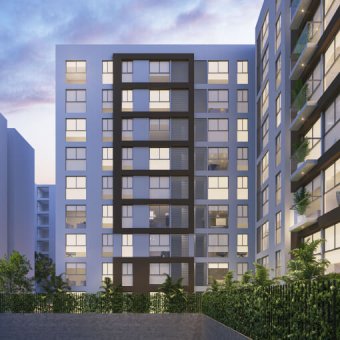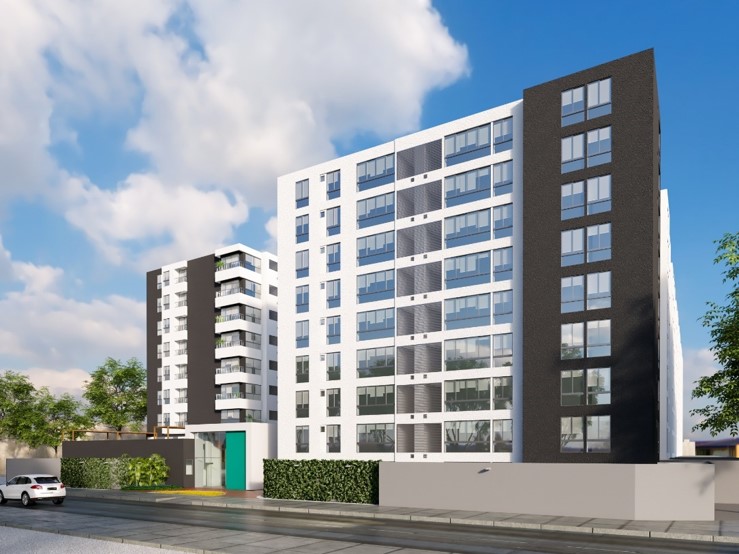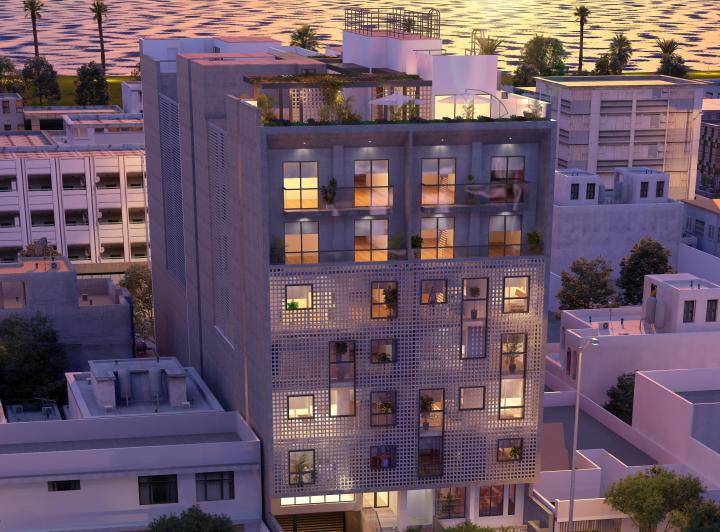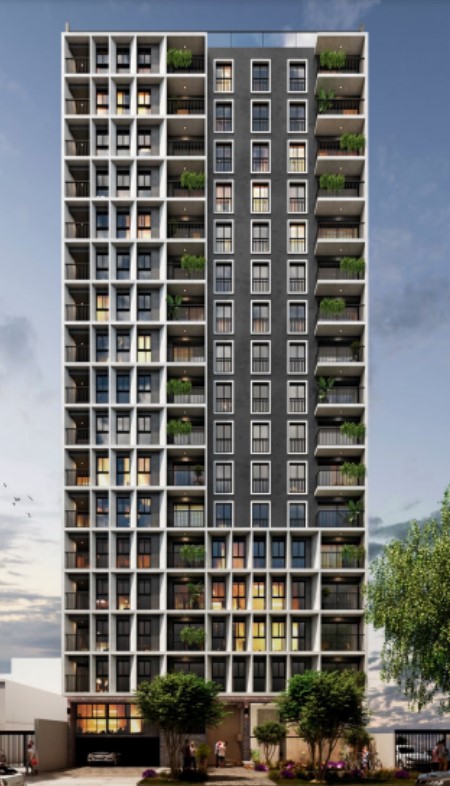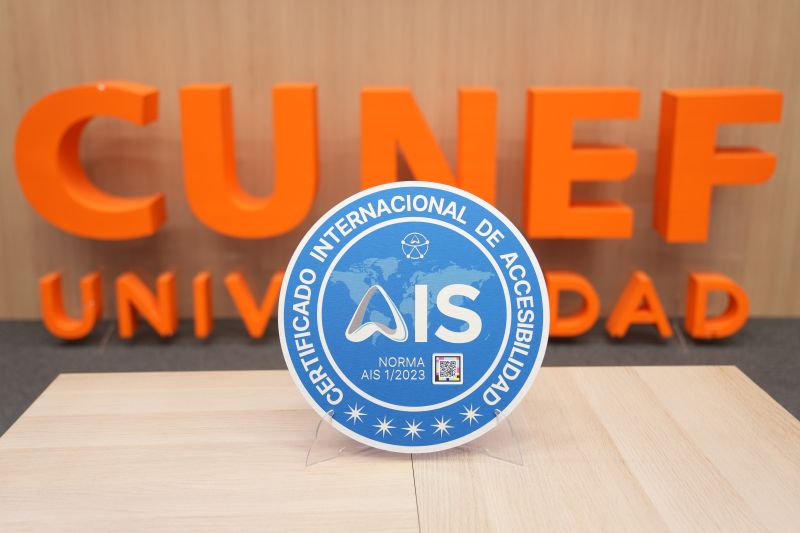
People buying a home think about square meters, views and location, not about what happens when their parents move in, when they break an ankle or when they turn 75. But populations across the region are aging fast, and the WHO estimates that by 2030 one in six people worldwide will be 60 or older. Many new residential buildings still have three steps between the sidewalk and the lobby, elevators too small to turn a wheelchair, bathrooms with tubs and 70-centimeter doors, and adapting them later costs several times more than designing them right. For developers, that's an untapped sales argument: accessibility widens the buyer pool, removes objections in the sales office and protects resale value. For property managers, it avoids disputes between neighbors every time a resident needs a ramp. AIS certification, from Fundación ARS, assesses the full route from the street to the unit, the common areas and evacuation, and recognizes the result with 1 to 5 stars in a public registry.
Design review or on-site assessment: if the building is in design, we review drawings and specifications to anticipate gaps; if it's already built, we walk it and measure entrances, elevators, corridors, doors, bathrooms and common areas.
Prioritized improvement plan: we define the solutions with the best cost-to-impact ratio, from door widths and level-entry showers to ramps, handrails and signage, and which can be offered to buyers as options.
Implementation and sales alignment: we support the contractor through delivery and help the sales team communicate accessibility in the sales office and project materials.
Certification and registry: once the building is finished, we manage verification with Fundación ARS, which issues the certificate with its star rating and publishes it in the AIS Public Registry.
The cost of AIS depends on the type of asset (physical space, website or product), its size and its complexity, and includes the authorized advisor's assessment and support plus Fundación ARS certification fees. In new projects, the additional investment to reach a good star rating is low if accessibility is built in from schematic design. In existing buildings, most improvements focus on entrances, ramps, handrails, signage and bathroom upgrades in common areas. The process usually takes 3 to 6 months for completed buildings; in new projects, support starts at design and the certificate is issued when construction is complete.

If it's solved in design, very little. Slightly wider doors, a level-entry shower, an elevator with a suitable cab or a step-free entrance have a small impact on the total budget. What's expensive is fixing it later, with the building occupied and works that affect every resident.
Yes. In existing buildings, certification focuses mainly on common areas and the route from the street to the units. The assessment prioritizes improvements and helps the owners' association decide on and fund the works in phases.
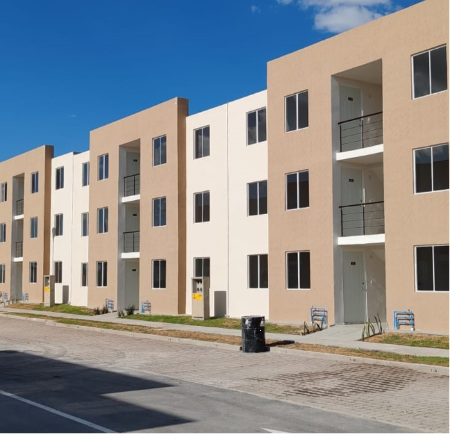
Yes. In affordable housing, where budgets are tight and many families include older adults or people with disabilities, AIS helps prioritize the highest-impact, lowest-cost solutions and provides a verifiable social indicator for the banks and funds financing the project.
Leaf Global. Copyright © 2026. All rights reserved.