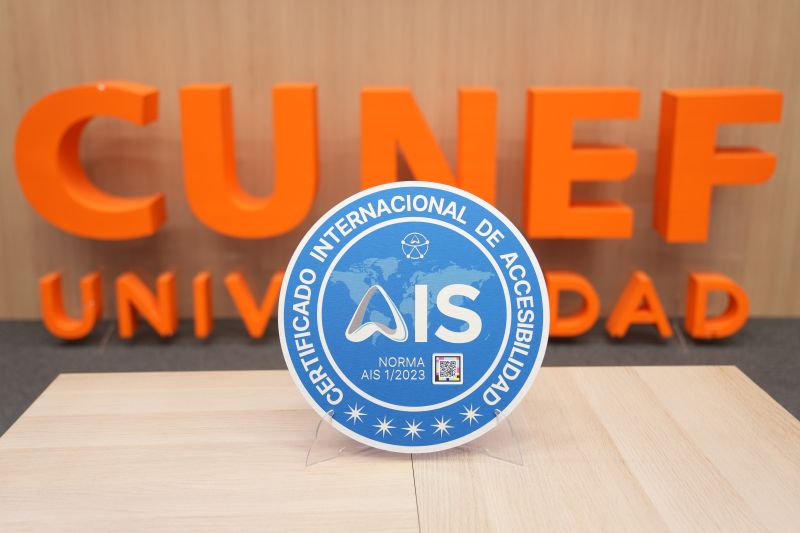
Brazil has 18.6 million people with disabilities according to IBGE's 2022 PNAD Contínua survey, almost 9% of the population aged 2 and over, and some of the most demanding legislation in the world on the subject. The Brazilian Inclusion Law (Law 13,146/2015) requires accessibility in buildings for public and collective use, ABNT NBR 9050 details how to achieve it, and the Quota Law requires companies with 100 or more employees to reserve 2% to 5% of positions for people with disabilities. Fines for missing the quota are common, and many companies find the problem isn't only recruiting: the office, plant or distribution center doesn't let that person work independently, and they end up leaving. Meanwhile, public prosecutors and Procon consumer agencies act on complaints about barriers in shops and services. AIS certification, from Fundación ARS, assesses the building in use with NBR 9050 as its reference and recognizes it with 1 to 5 stars published in a public registry.
On-site assessment: we walk the property using AIS criteria and NBR 9050, measuring entrances, ramps, tactile paving, doors, elevators, restrooms, counters, signage and escape routes.
Prioritized upgrade plan: we separate the urgent from the desirable and management fixes from construction, and cross-check the plan against the real needs of employees hired under the quota.
Implementation and training: we support maintenance, facilities and contractors through the upgrades, and train reception, security and fire brigades in assisting and evacuating people with disabilities.
Certification and registry: we submit the file to Fundación ARS, which issues the certificate with its star rating and publishes it in the AIS Public Registry.
The cost of AIS depends on the type of asset (physical space, website or product), its size and its complexity, and includes the authorized advisor's assessment and support plus Fundación ARS certification fees. Investment in upgrades varies the most: in existing offices, stores and plants, many gaps are solved with tactile paving, signage, grab bars, restroom and furniture adjustments, and only some require construction. For an operating property with minor upgrades, the process usually takes 3 to 6 months from assessment to certificate.

Meeting NBR 9050 in the design doesn't guarantee the building stays accessible years later: blocked ramps, restrooms turned into storage and counters replaced without criteria are common. AIS verifies the building in use, considers management and customer service, and assigns a star rating, something the standard doesn't do.
Labor inspections check whether the company hires the required percentage. AIS doesn't replace that obligation, but it tackles one of the most common reasons for non-compliance: workplaces where people with disabilities can't stay. A certified environment makes it easier to hire, retain and talk with the labor inspector.
Yes. Each unit is certified separately, but assessing the first stores creates a replicable upgrade standard. The network then moves forward with common solutions and suppliers, and the cost per unit drops as the program scales.
Leaf Global. Copyright © 2026. All rights reserved.