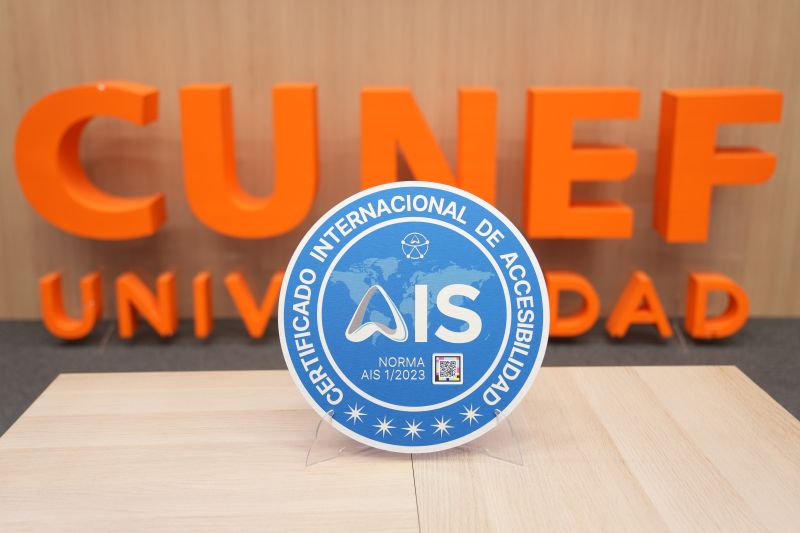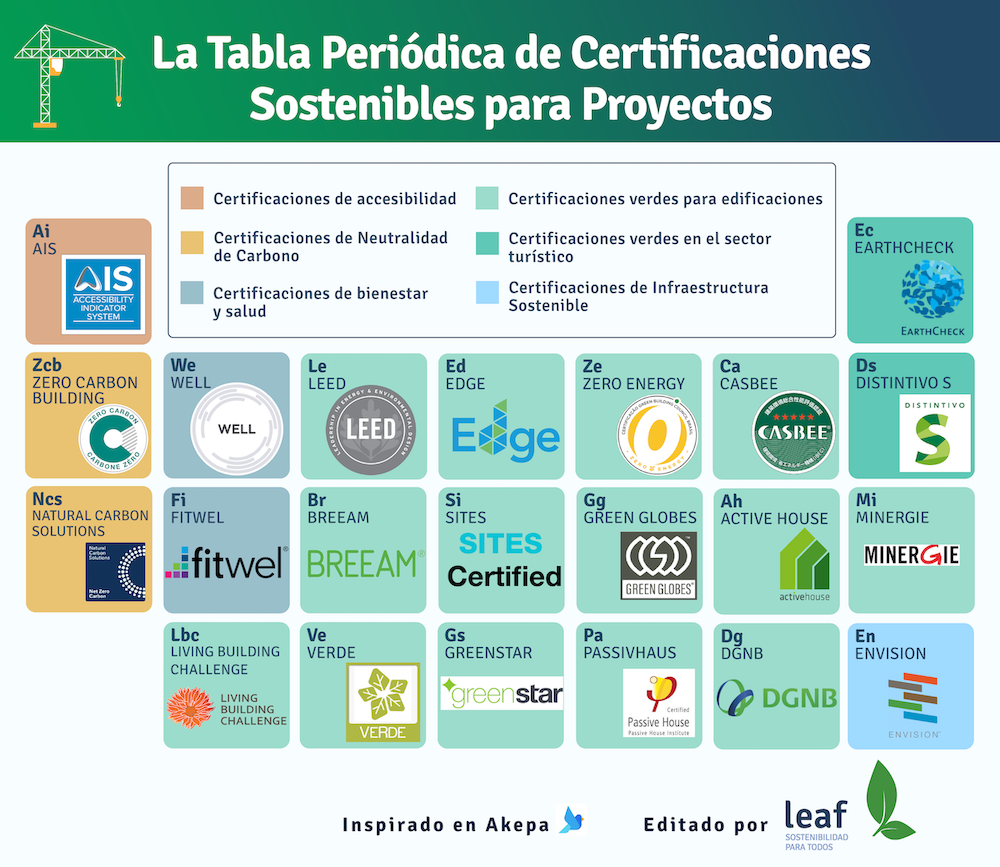
Colombia has one of the most complete legal frameworks in the region: Statutory Law 1618 of 2013 requires guaranteed access for people with disabilities to spaces, transport, information and services, and technical standards such as NTC 6047 spell out what citizen service spaces must look like. Even so, in Bogotá, Medellín or Barranquilla it's still easy to find offices with stairs at the entrance, service windows 1.20 meters high and elevators with no audio signal or braille buttons. DANE estimates that close to 3 million people in the country live with a disability, and an aging population will push that number up fast. The gap between regulation and building also hits companies: sustaining inclusive hiring commitments and DEI policies is hard when the workplace pushes out someone on crutches or someone who can't hear the alarm, and tutela actions over physical barriers come with short deadlines. AIS certification from Fundación ARS assesses that full journey on site and recognizes it with a 1 to 5 star rating shown in a public registry.
On-site assessment: we measure entrances, ramps, doors, elevators, restrooms, service windows, signage and evacuation routes against AIS criteria, Law 1618 and Colombian technical standards on physical accessibility.
Reasonable accommodation plan: we prioritize gaps by impact and cost, separating what can be solved through management and furniture from what requires construction, so you move toward your target star rating on a controlled budget.
Implementation and training: we support the upgrades with your facilities team and train customer service and security staff to interact with and assist people with disabilities.
Certificate and registry: we manage verification with Fundación ARS, which issues the certificate with its star rating and publishes it in the AIS Public Registry.
The cost of AIS depends on the type of asset (physical space, website or product), its size and its complexity, and includes the authorized advisor's assessment and support plus Fundación ARS certification fees. Investment in upgrades is the most variable part: in existing service branches and offices, many gaps are closed with dual-height counters, signage, grab bars, hearing loops or furniture adjustments, and only some require civil works. For an operating location with minor upgrades, the process usually takes 3 to 6 months from assessment to certificate.

Tutela actions over physical barriers are common in Colombia, and judges often order upgrades with short deadlines. Having an AIS assessment and an improvement plan underway lets you respond with technical information, prioritize works and show that the organization is already acting instead of improvising under pressure. It doesn't replace legal defense, but it strengthens it.
Yes. Each location is certified individually, but assessing the first few sets a replicable standard for the rest of the network: the same solutions for ramps, service windows, restrooms and signage, with coordinated purchasing and contractors. That lowers the cost per location and lets you report progress in stars.
Yes. AIS uses each country's current regulations as a reference, so an assessment in Colombia considers Law 1618, NTC 6047 and the technical standards on physical accessibility, and adds its own criteria where regulation doesn't reach, such as management and customer service.
Leaf Global. Copyright © 2026. All rights reserved.